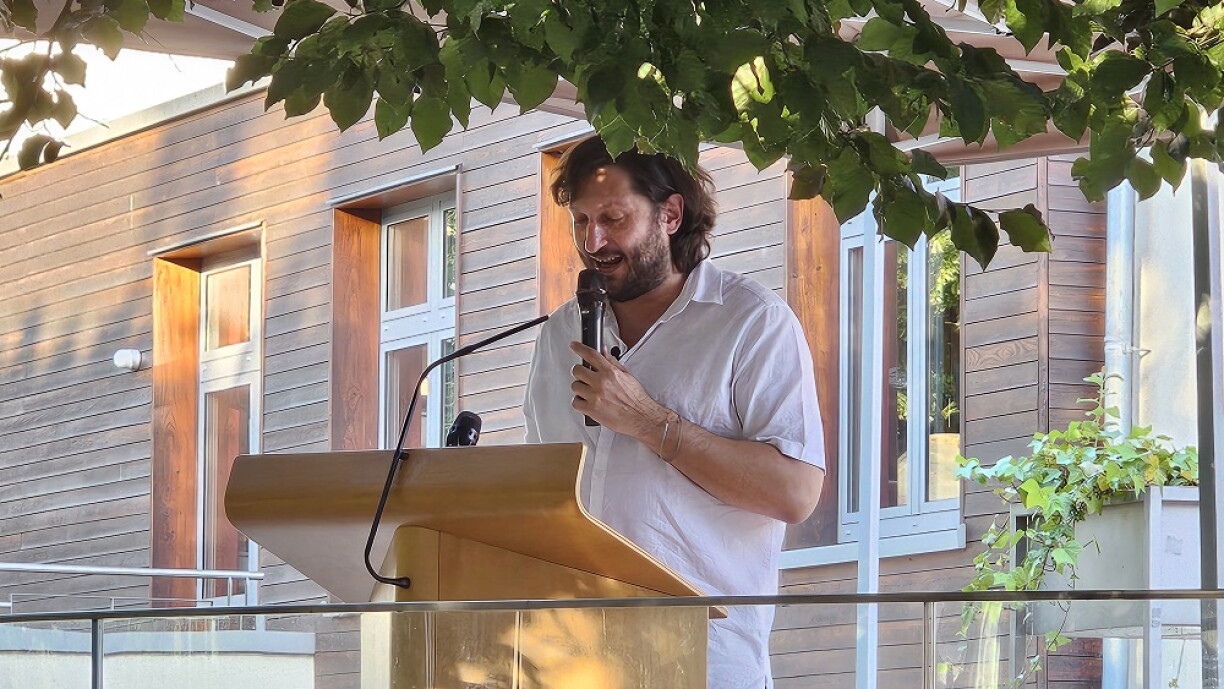
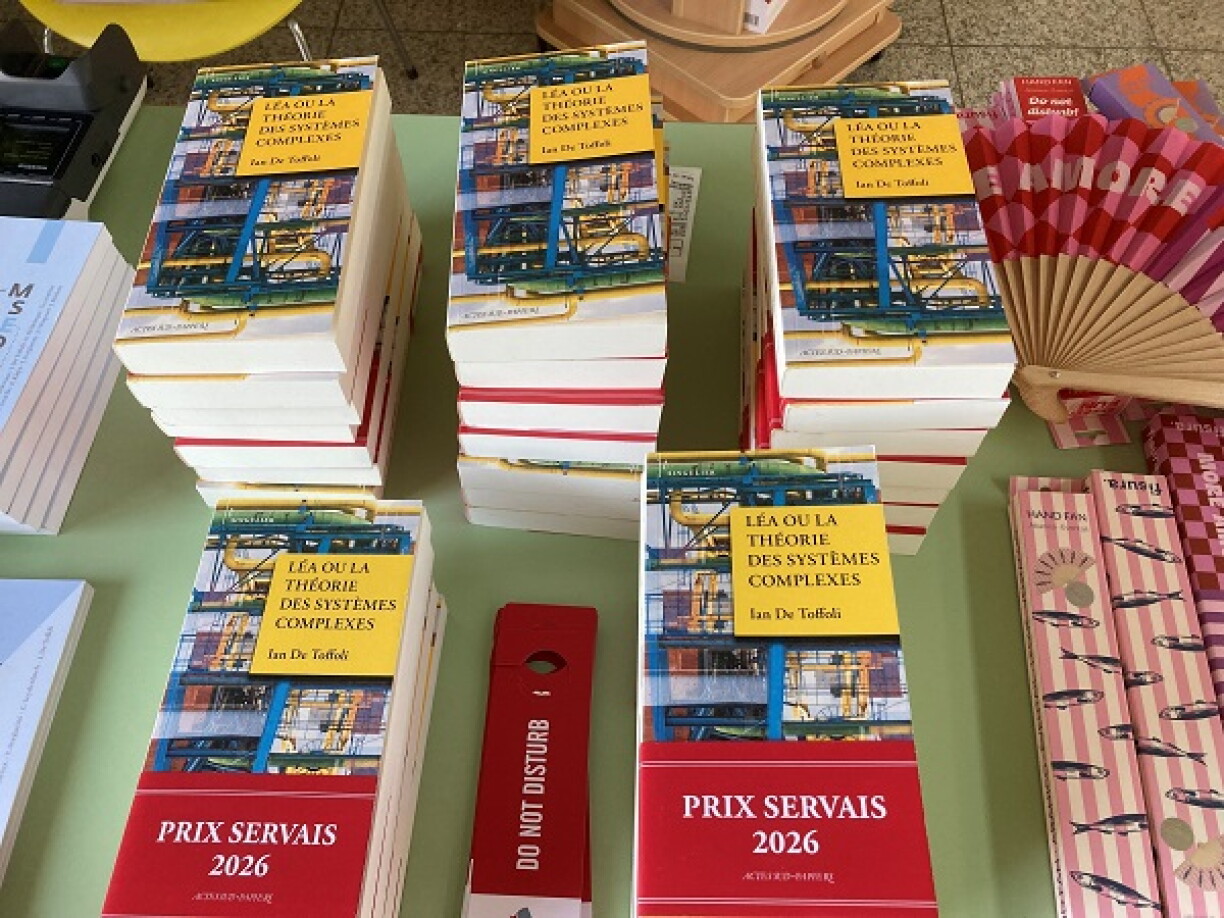
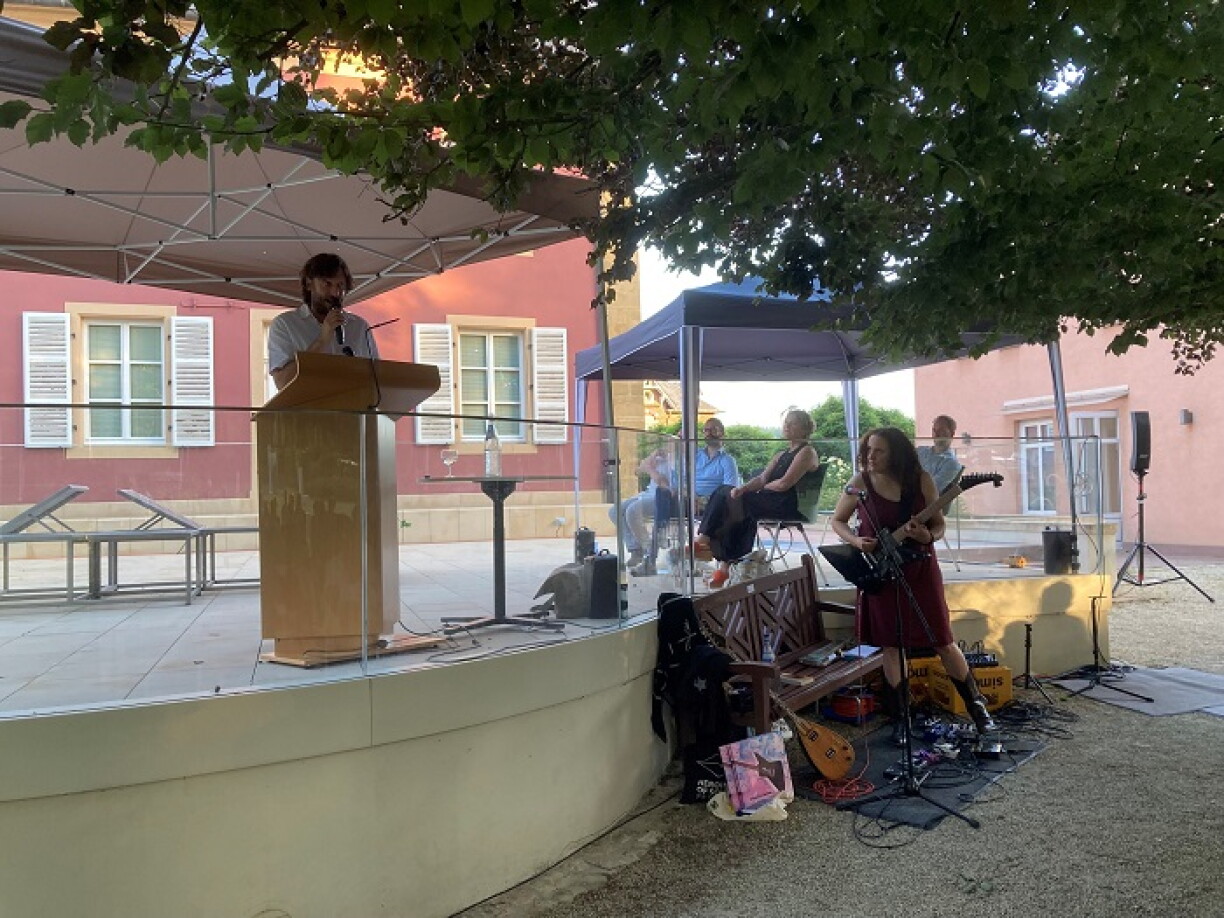
The centrepiece of the evening was the laureate Ian de Toffoli, who collected the prize for his book "Léa ou la théorie des systèmes complexes". The author was somewhat upstaged, however, by the hidden star of the night, an imposing copper beech in the grounds of the Servais House, a so-called "remarkable tree" of more than 150 years, whose shade at least made the heat bearable.
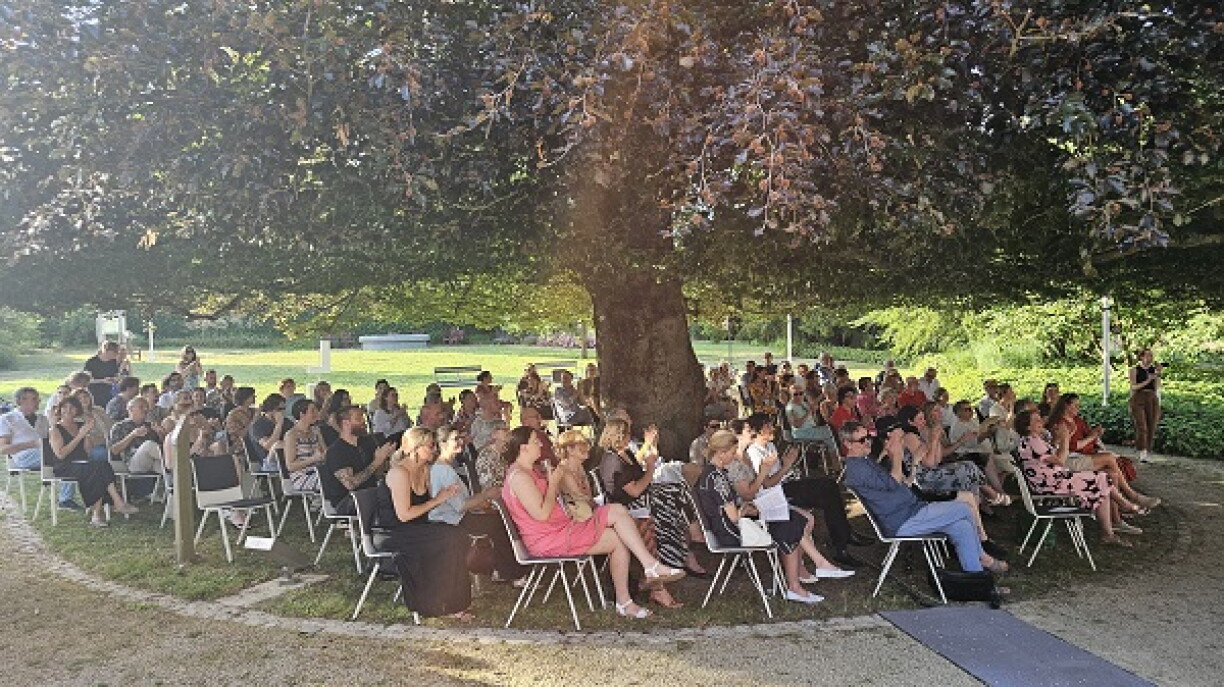
That was fitting, since de Toffoli's book centres on Léa, a young woman who refuses to remain passive in the face of environmental disasters and climate change. It also tells the parallel story of a US oil dynasty for which profit comes before the planet.
"Léa ou la théorie des systèmes complexes" has also been adapted for the stage by Renelde Pierlot and de Toffoli himself. The text, published by the renowned French house Actes Sud in its "Au Singulier" series, defies easy categorisation, working at once as a play, a literary chant, and something that reads like a novel.
Equally hard to grasp is the complexity of the system in which Léa develops. Her anger is directed at the system, yet she herself is part of it. A flash of that anger could also be heard in the laureate's own acceptance speech.
The habitability of the earth should be the guiding value of the 21st century, he argued, even if the narrative of those who decide our fate is so often a different one. He described his book as a "literary slap", intended to shake everyone out of their lethargy.
De Toffoli's publisher Claire David, director of the Actes Sud-Papiers collection, delivered a speech in his honour. She explained that the decision to publish his book had come quickly. The text, which has also been staged in France, may appear complex at first glance, but is in fact highly accessible.
David said the book had a real density, with the interweaving of its various storylines that might look dramaturgically complicated but were not. She argued that readers grasp very quickly the links between the two intertwined narratives: between the young activist and the indictment of an oil industrial system.
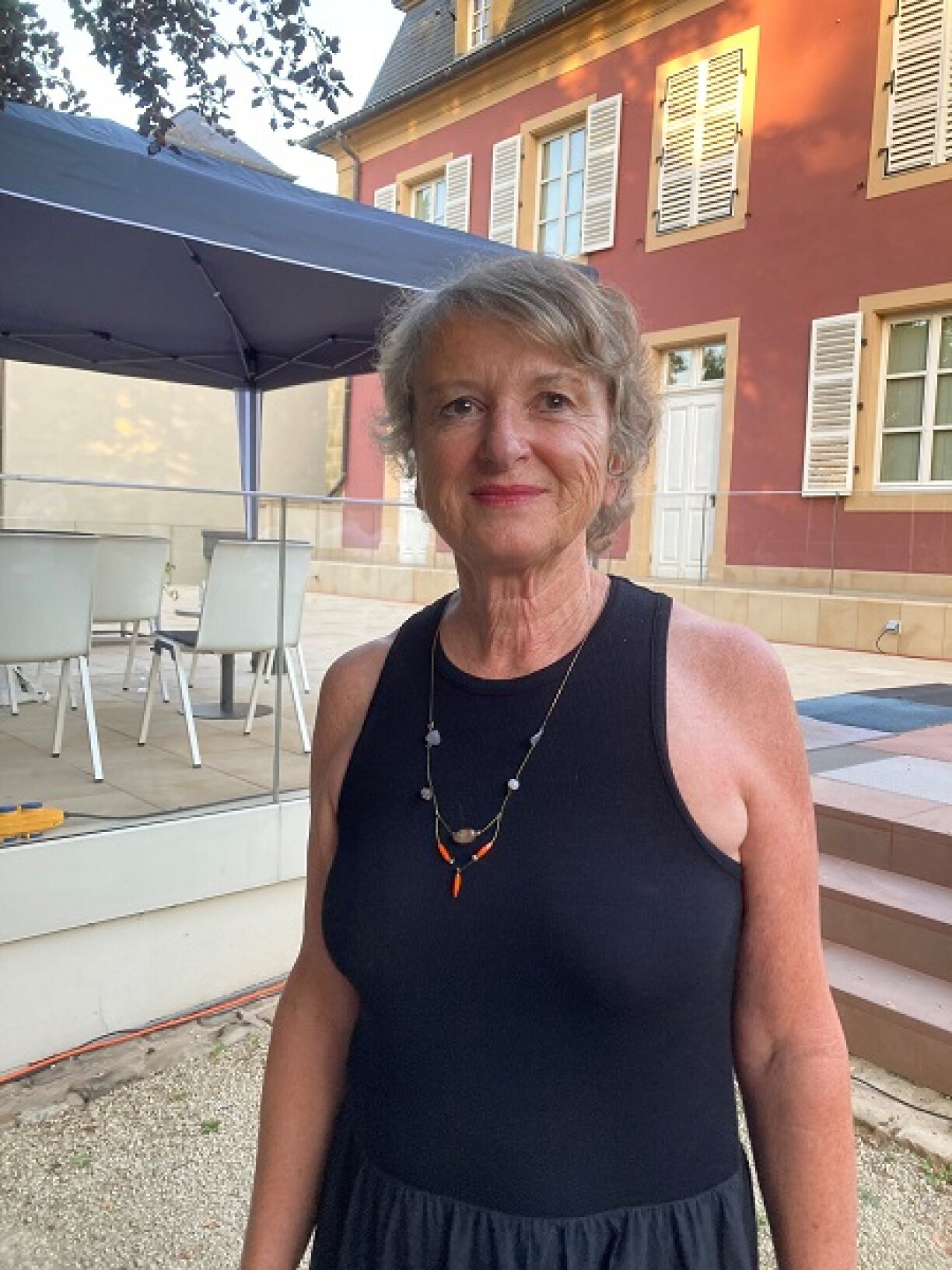
She also said she had taken real pleasure in coming to Mersch to declare her praise. She described it as a great privilege to be invited as a publisher, given that Actes Sud likes to operate within Francophonie at a European level as well.
She believes that de Toffoli receiving the prize is meaningful to the continuity and importance of his work, in him continuing to expose the workings of big capital and other forces involved. He is, she said, a writer who creates researched theatre rather than documentary theatre, drawing on the real in order to construct fictions. The approach allows readers to open their eyes and to look further, David said.
The 2026 Servais Prize jury was chaired by Sébastian Thiltges, with Fabienne Gilbertz, Danielle Igniti, Ludivine Jehin, Henning Marmulla, Diane Neises, Jérôme Netgen, Aimée Schultz, and Tamara Sondag as members.





