
For acclaimed Portuguese director João Pedro Rodrigues, casting the lead in his latest film, Afonso’s Smile, came down to a stroke of luck.
Known for his work featured at Cannes, Venice, Locarno, and Berlin, Rodrigues was already thrilled to shoot part of his new project at the purpose-built Filmland studios in Kehlen.
But the true surprise came when he noticed his future leading man, Gustavo Benza, performing guitar on the streets of Luxembourg.
Gustavo was just eighteen years old at the time when he decided to finish school and embark on a road trip across Europe. Rodrigues described the discovery as "almost miraculous, almost supernatural."
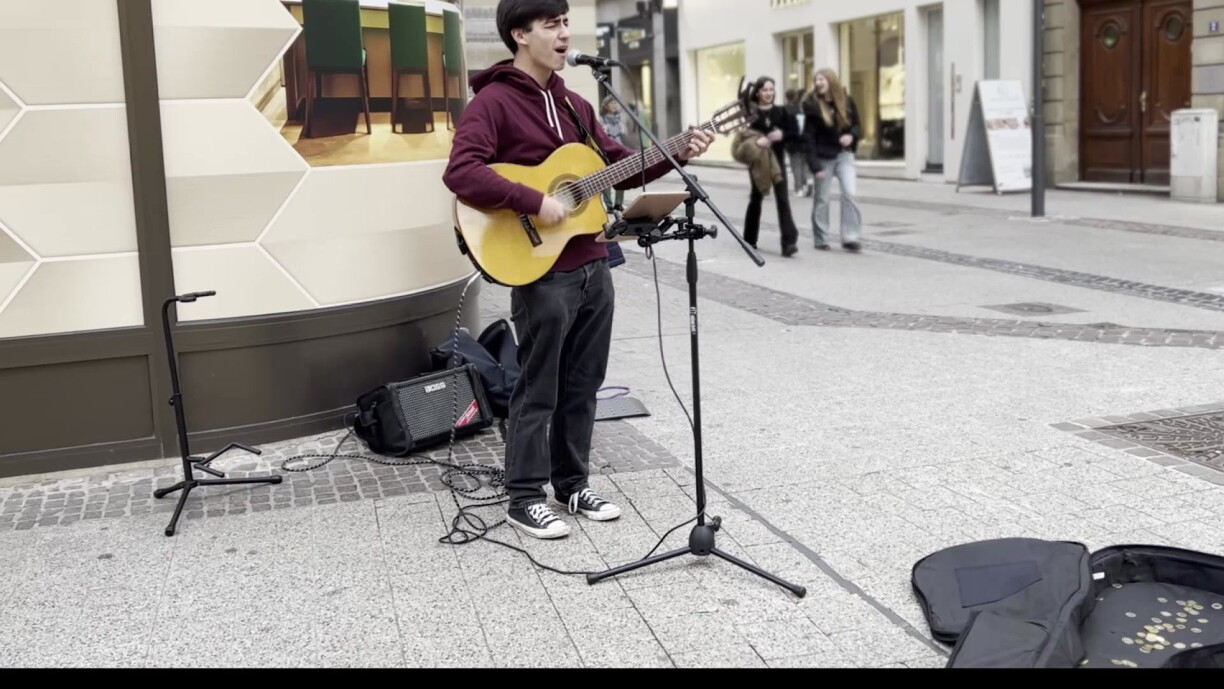
After completing secondary school in Portugal, Benza set off across Europe in his car. Luxembourg was supposed to be only a brief stop, where he played the guitar in public spaces to help fund his travels.
However, this detour changed his life. Benza said that, even though he planned to only stay for three months, he discovered the beauty of Luxembourg, which made him stay for two more months.
Despite having only minor acting experience, he mentioned not having any real expectations in that area at the time. "But I went to the audition, got the part, and now I am very happy", Benza shared.
Before this serendipitous opportunity, Benza's acting experience was limited to brief appearances in Portuguese sitcoms.
Now, he is at the centre of this ambitious international co-production involving Portugal (Terratreme – João Matos), Luxembourg (Joli Rideau Media – Fabrizio Maltese), and Italy (Frenesy – Luca Guadagnino).
The project itself has roots in Luxembourg. In January 2024, the Luxembourg City Cinémathèque invited Italian filmmaker Luca Guadagnino for a special programming residency, during which he hosted a public conversation with João Pedro Rodrigues.
Their meeting sparked the idea for the film.
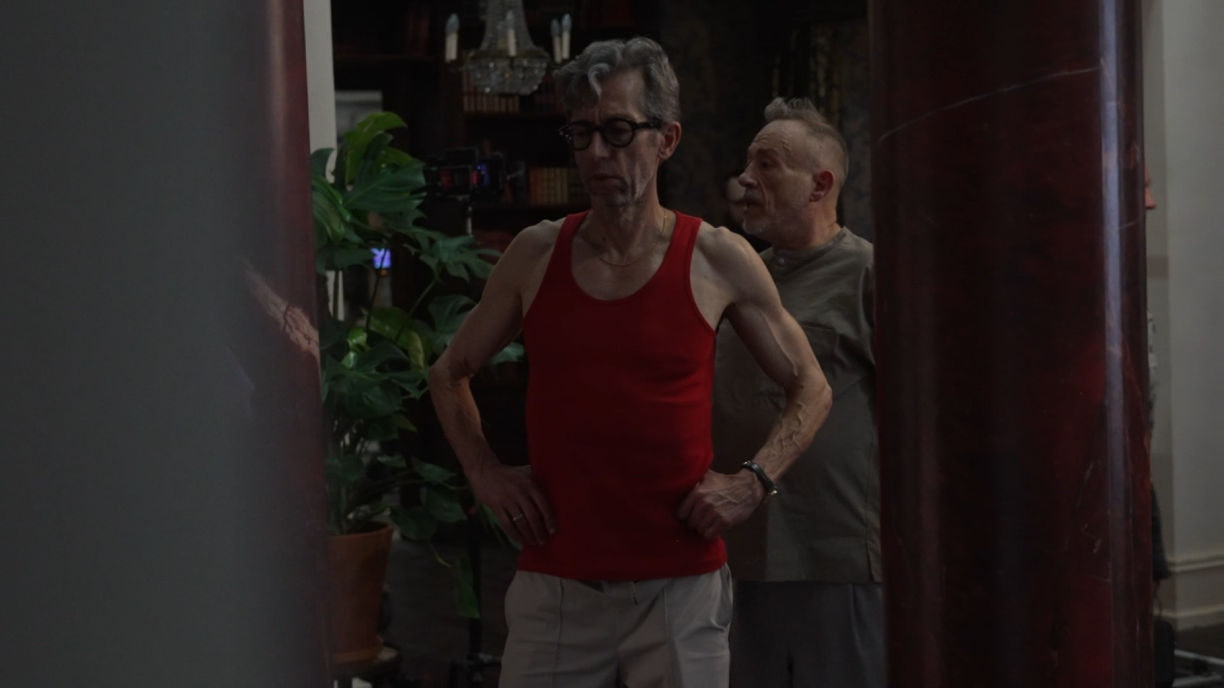
Afonso's Smile marks Rodrigues' first period film, set around Portugal's 25 April Revolution. The director credits the Filmland studios' expert teams in Kehlen for helping realise his vision.
He explained that while the film is set around the Revolution, it is not a film about the Revolution per se, but rather about a young man's coming of age during that time.
"My films aren't autobiographical, but they always reflect my outlook on the world", Rodrigues said. He noted that after the Revolution, the dictatorship ended, and freedom was gained, but not everyone experienced it at the same time.
And the film explores that gap, Rodrigues said. For example, homosexuality was only legalised in the 1980s, so some people were left behind, he concluded.
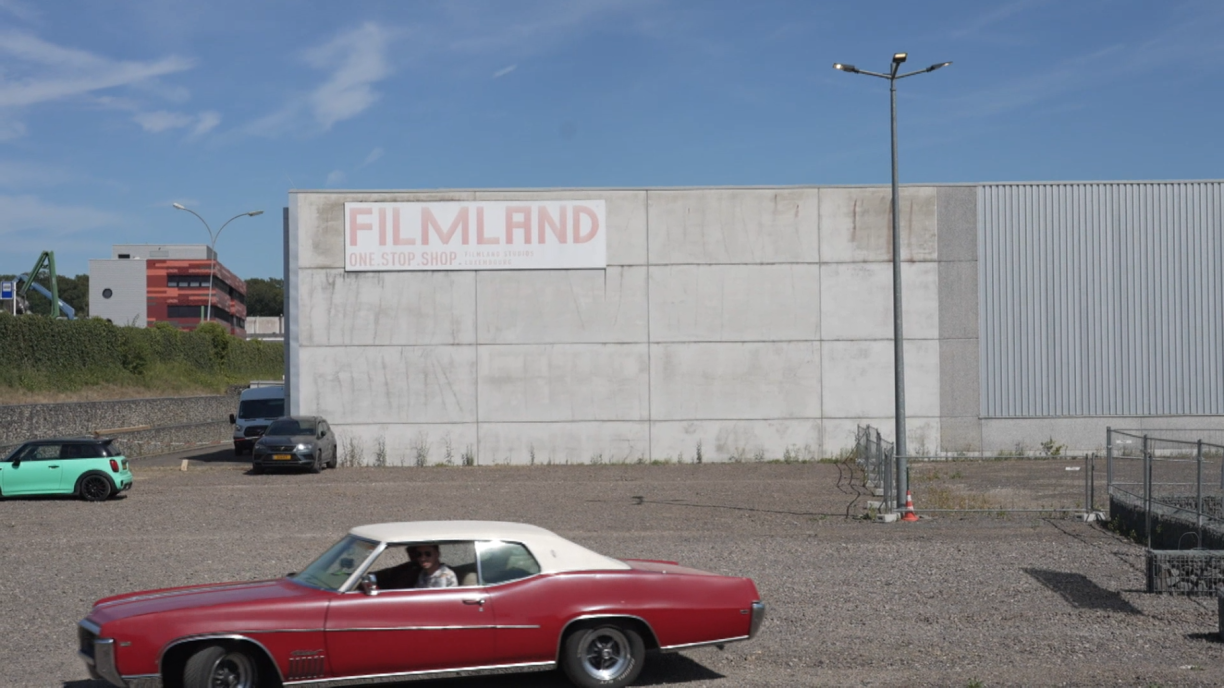
A bittersweet mood surrounds the production, as the cast and crew are aware that their days at the renowned Filmland studios are numbered.
Co-producer Fabrizio Maltese admitted to feeling nostalgic at the end of the shoot: "It's our last day of filming, so a beautiful adventure ends after thirty-four days between Portugal and Luxembourg".
Maltese said that he is saddened, but also thrilled for what the future of this film holds. He added that he felt a special sort of sadness, as this marks the penultimate film shot at Filmland.
The closure of the landmark studio could have serious consequences for the local film industry, according to production manager Solveig Harper: "We're all saddened, because having a studio with all the necessary facilities such as workshops and offices is invaluable."
Harper explained that everyone loved working there, which makes the closure an emotional moment for many.
Afonso's Smile will likely be among the final productions filmed at Filmland, unless Luxembourg's cultural sector finds a way to intervene. The film is scheduled for release in 2027.





