Lucie, Joseph and Olivier were on holiday – but not together. As souvenirs, each one brought back a different type of honey. The teams have to work out where the three spent their summer holidays. As a small hint, they are given five postcards showing possible destinations, but these are only of limited help. The candidates must carry out a proper pollen analysis, focusing on what cannot be seen with the naked eye.
This challenge comes from the Science Club of the National Museum of Natural History, which organises activities for young people aged 11 to 18. The aim is to inspire the next generation to take an interest in the natural sciences. After the Panda Club in 1982, the Science Club was launched 23 years ago. Last year, they offered more than 100 activities, and this season they are part of the Science Challenge Show.
The teams are presented with five soil samples and must rank them from best to worst. To do so, they must focus on different methods of analysis, such as pH value, colour and consistency. They can't be afraid to really get their hands dirty – and, ideally, they shouldn't be too squeamish about earthworms, either...
The contestants facing elimination have to analyse DNA from faeces and find out which animal they came from. They must remember that faeces always contain the DNA of the animal itself, but also the DNA of what it has eaten. Not to worry, though – they were not actually given real droppings to test.
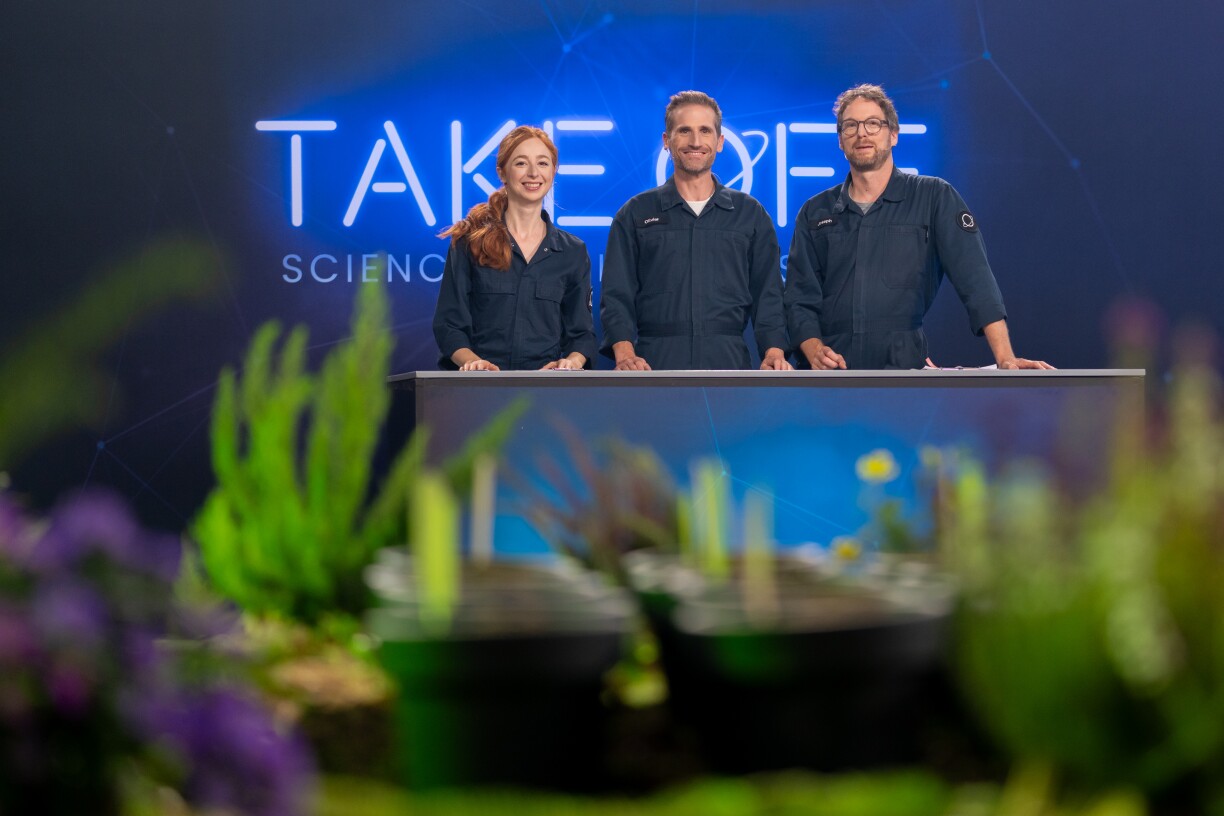
Take Off – Science Challenge Show airs every Friday at 7pm on TV, RTL Play and takeoffshow.lu, and again on Sunday morning at 11am.





