Here are five things you should know at the end of this week:

Border region – A sudden glacial collapse unleashed a torrent of freezing water and debris across the Nepal-Tibet border on Wednesday, devastating communities along the Bhote Koshi and Trishuli rivers. Entire villages were swept away as a tsunami-like wall of mud and water travelled nearly 170 kilometres south into Nepal, destroying homes, bridges, and infrastructure. The death toll has climbed to nearly 500, with more than 1,400 people still unaccounted for.
Rescue and relief efforts – Emergency teams from Nepal and China have mobilised sniffer dogs, helicopters, and heavy equipment to search for survivors and recover bodies. Aid and assistance have poured in from international organisations and neighbouring countries, with the UN, World Health Organization, and Red Cross providing funds and supplies. Despite these efforts, many families remain displaced, and entire settlements have been wiped out, leaving survivors in shock and mourning.
Ongoing risks – Authorities warn of the risk of further flooding, as debris continues to block river valleys and create unstable lakes upstream. The disaster has affected a large number of foreign tourists and Hindu pilgrims, many of whom remain missing. Survivors recount harrowing escapes, while families anxiously await news of their loved ones. With the region still reeling, rescue operations and humanitarian support are expected to continue in the coming days.
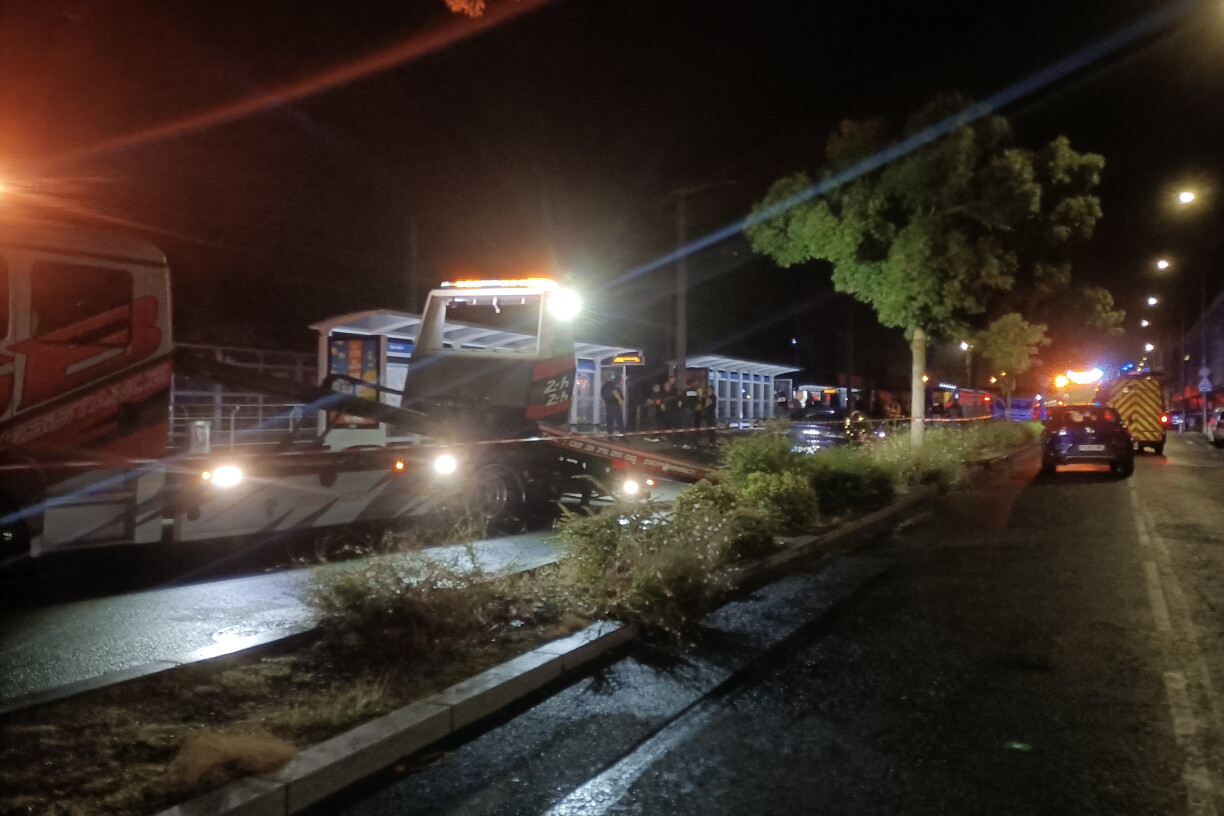
Deadly car ramming in France – In Caen, northwestern France, a 26-year-old man drove his car into a group of pedestrians late Wednesday, killing two and injuring 10 others. Seven victims remain in critical condition. The suspect, known to police only for traffic offences, was apprehended after fleeing the scene. Authorities have ruled out a terrorist motive and believe the attack followed a fight, with investigations ongoing for murder and aggravated assault.
Drink driving rampage in Portugal – Early Tuesday in Albufeira, Portugal, a 35-year-old man allegedly under the influence of alcohol drove into pedestrians, injuring 16 people. Among those seriously injured is a young woman living in Luxembourg, hurt on her first day of holiday. The suspect, who had more than twice the legal alcohol limit, was detained and faces charges of causing bodily harm and dangerous driving.
School tragedy near Berlin – A violent incident at a secondary school in Gosen-Neu Zittau, near Berlin, left an 18-year-old woman student and a 30-year-old man dead. Police believe the attack was related to a personal relationship, with a 19-year-old man, reportedly the victim’s ex-boyfriend, being arrested. The school has cancelled regular classes but remains open for students seeking support, as officials and the community express shock and sorrow.
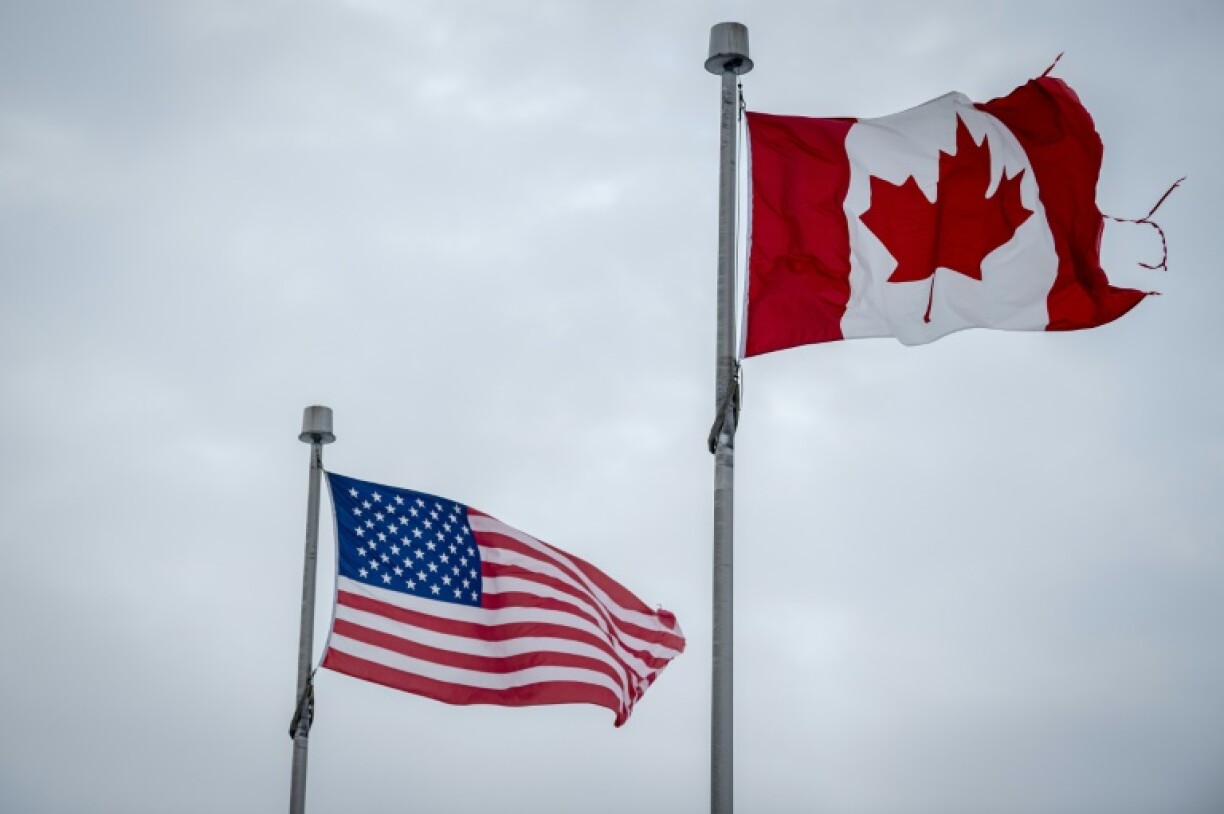
Tit for tat – Canada’s newly announced tariffs directly mirror recent US duties, targeting industries such as steel, dairy, and electronics. The move follows failed trade negotiations and comes after the United States imposed 50% tariffs on Canadian goods, affecting about $20 billion in exports. Ottawa’s response covers roughly 7.3% of its imports from the US, with some products facing up to 50% duties.
Boycott USA? – The Canadian government is encouraging citizens to buy domestic products and boycott US goods, a movement that has gained traction since the start of the trade conflict. Retailers report increased demand for Canadian-made items, and some provinces have removed US products from store shelves. The tourism sector is also affected, with fewer Canadians travelling to the United States, prompting US border states to offer special promotions to win them back.
Economic risks for both – The trade dispute has prompted Canada’s government to unveil a $5.4 billion aid package for affected businesses and workers. Analysts warn that the tit-for-tat measures could threaten nearly 90,000 Canadian jobs and disproportionately impact provinces such as Quebec, New Brunswick, and Ontario. Both sides face economic risks, with integrated supply chains and cross-border industries feeling the strain.
In the meantime, US President Donald Trump stepped up the escalating feud by ordering that Lake Ontario – a body of water shared by both countries – is now named "Lake America."
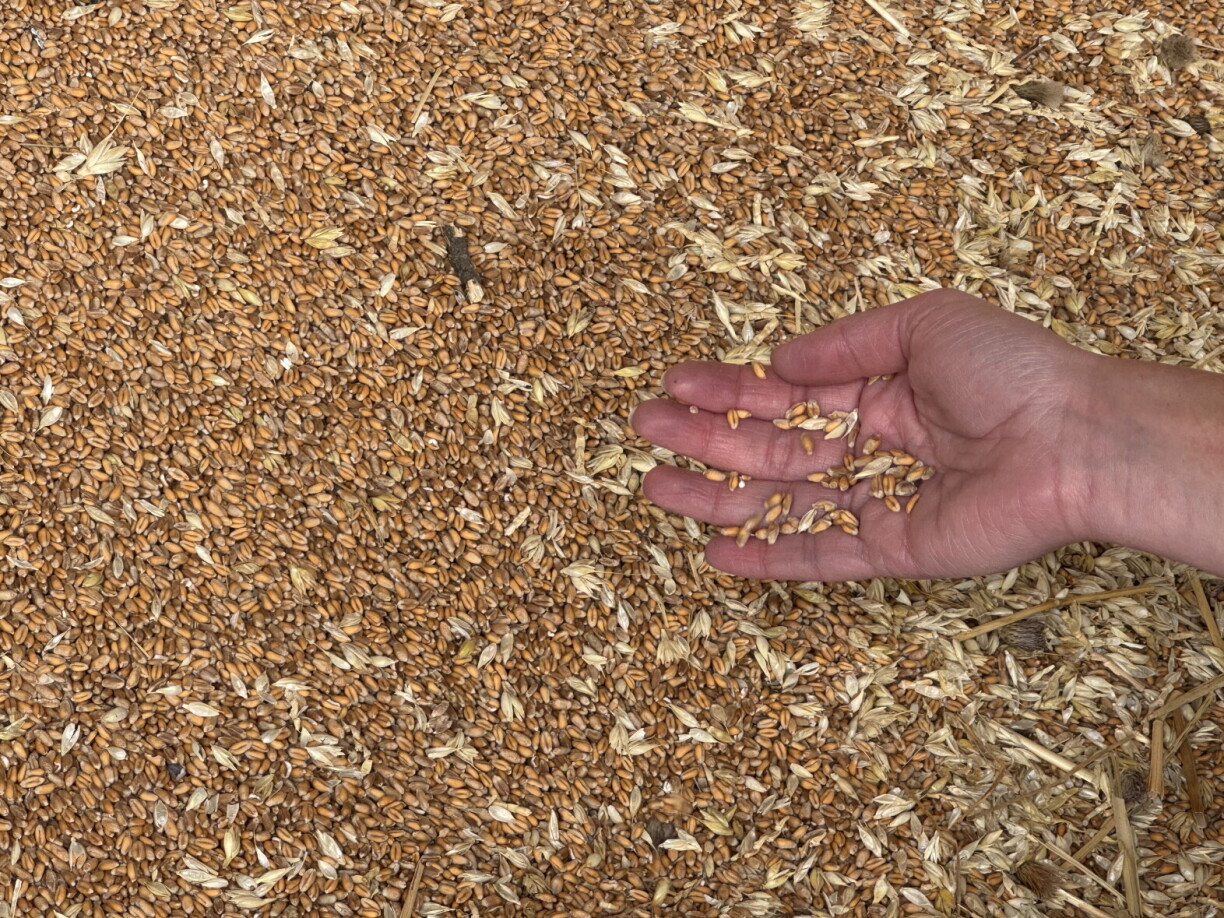
Severe drought impacts yields – This year’s summer grain and potato harvests in Luxembourg were heavily affected by prolonged drought and intense heat. Agricultural authorities confirmed that spring-sown grains and potatoes suffered the most, with potato sizes too small for chip production and grain yields dropping by 10 to 15% compared to last year. The early and rapid harvest reflected the severity of the weather conditions, leaving many farmers struggling to cover costs.
Fodder and feed shortages – The drought’s impact extended beyond grains, hitting fodder crops especially hard. The third grass cut was almost entirely lost, forcing many farms to dip into winter feed reserves months ahead of schedule. With grassland damage described as extreme and maize results highly variable, concerns are mounting about maintaining adequate animal feed supplies throughout the winter, particularly as further rain is urgently needed.
Economic and policy pressures – Despite a 10 to 15% rise in grain prices, soaring input costs and smaller harvests have left grain cultivation unprofitable. Broader geopolitical factors, including the war in Ukraine and rising oil prices, are driving up costs for farmers. Minister of Agriculture Martine Hansen stressed the need for continued EU support and crop failure insurance, warning that without subsidies, Luxembourg’s food production risks becoming dependent on imports.
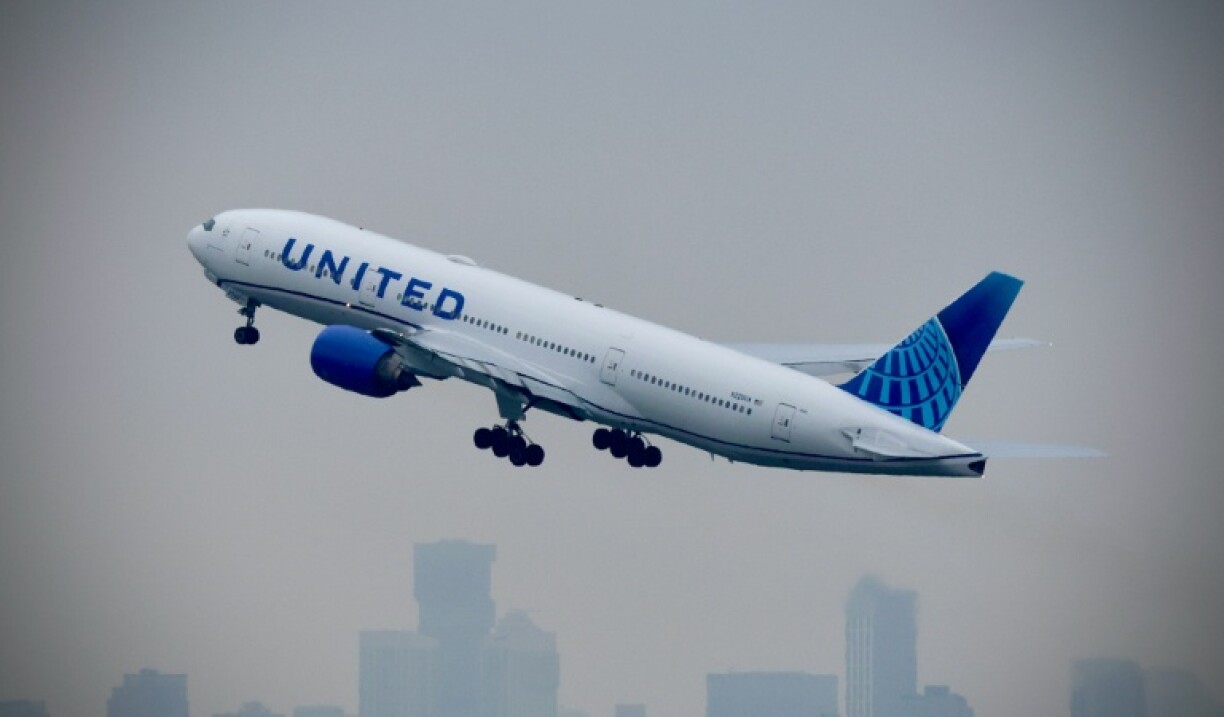
Reunited and it feels so good – The launch of United Airlines’ daily direct flight to Newark is seen as a significant development for Luxembourg’s international links. The new route restores a direct transatlantic connection that has been missing since the late 1990s, underlining Luxembourg’s growing appeal as a travel and business hub.
Aircraft and airport readiness – The service will use an Airbus A321XLR, capable of carrying nearly 200 passengers, and will operate from Luxembourg Airport to Newark Liberty International Airport. Lux-Airport officials acknowledge the new route will increase pressure on facilities, but a master plan for expansion is already in place. The first works to expand the terminal and install new security scanners are due to begin by the end of the year, ensuring readiness for increased passenger numbers.
Convenient route – The initiative, strongly supported by US Ambassador Stacey Feinberg, is seen as proof of Luxembourg’s attractiveness for international business. Politicians, Luxair, and lux-Airport have all welcomed the move, highlighting the benefits for both business and leisure travellers.
Minister for Mobility Yuriko Backes described United’s decision to launch the new route as "good news for the country’s connectivity", a sentiment shared by Lorenzo Di Loreto, Chief Operating Officer at lux-Airport, who added that the choice of the new Airbus A321XLR was crucial, as the aircraft is particularly well suited to smaller markets like Luxembourg.
Luxair has expressed interest in supporting the route, viewing United as a strategic partner rather than a competitor. While passenger numbers may take time to build, officials are optimistic that the route will benefit thousands annually and further enhance Luxembourg’s global connectivity.
Your Weekly Recap is published every Friday at noon.
Read earlier versions here.