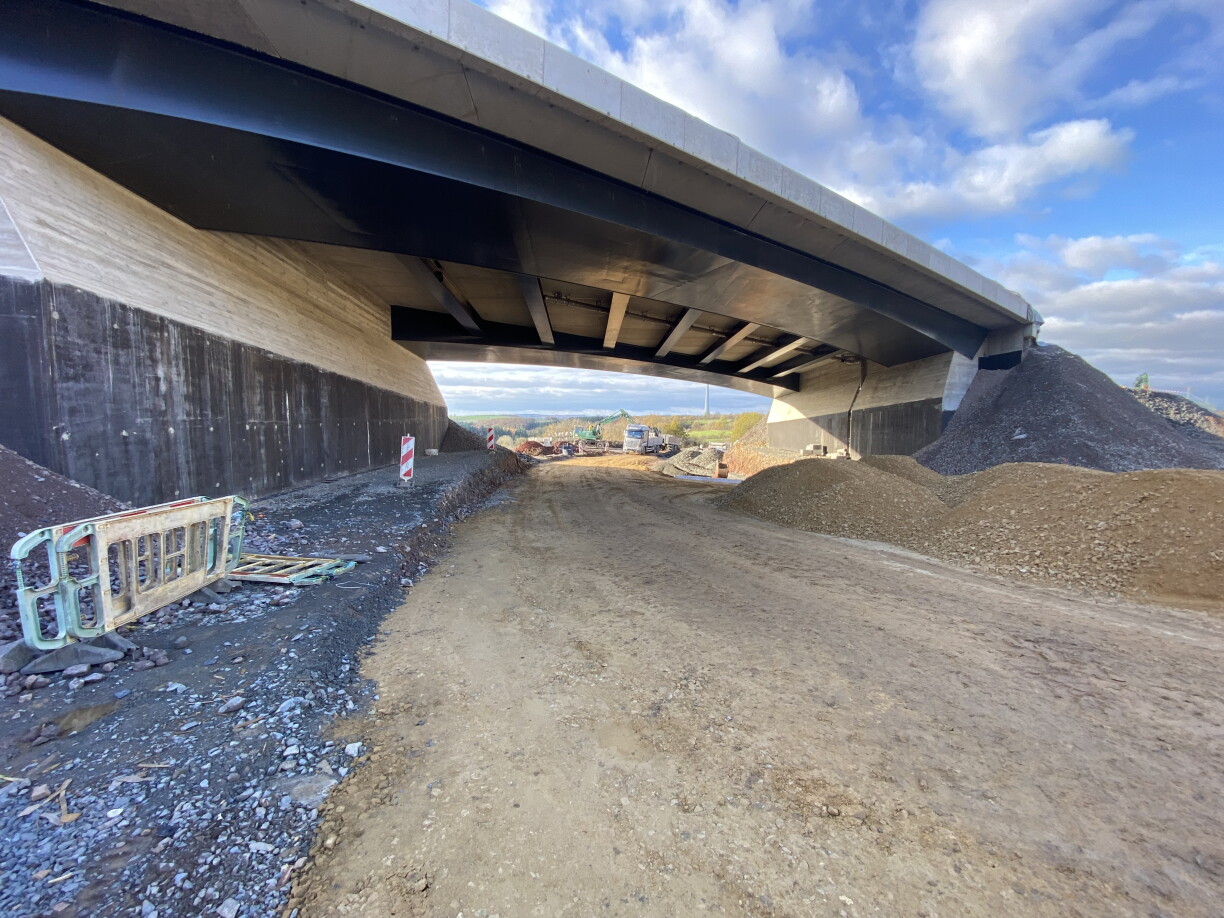
The new bypass in Hosingen is taking shape, with the first 2.4 kilometres expected to open to traffic in autumn 2028.
Construction began in June 2023. This initial phase includes a 325-metre-long tunnel featuring two lanes in each direction.
The primary objective of the bypass is to divert traffic away from Hosingen's town centre, which currently endures a daily volume of approximately 17,000 vehicles along the N7. This heavy traffic has caused significant road degradation and negatively impacted local residents.
Marc Ries, the National Roads Administration engineer leading the project, noted that municipal infrastructure in the area, including water and sewer systems, had been neglected for over 50 years. While this historical neglect means unforeseen challenges may arise during construction, Ries emphasised that the comprehensive upgrades are "urgently needed".
He assured that the town centre will be restructured to include a 30km/h speed zone and new amenities designed to benefit the local community.
Current construction efforts are focused on the route's eight bridges, all of which feature steel frameworks. Seven are already under construction, while the eighth, which will span an unpaved track, remains in the tender phase.
Ries noted that these bridges were designed under a unified architectural concept applied along the entire N7 corridor. This cohesive approach ensures the structures are visually consistent and aesthetically pleasing, extending from Friedhof to Hosingen via the new bypass, and eventually reaching Weiswampach via the Heinerscheid bypass.
The full 4.4-kilometre project, backed by a budget of approximately €154 million, is scheduled to reach Dorscheiderhäuschen by 2030/2031. Additionally, a new junction at Dorscheiderhäuschen will connect to the road leading to Rodershausen.
The original N7 route toward Marnach will be preserved to accommodate local traffic, particularly bus services.