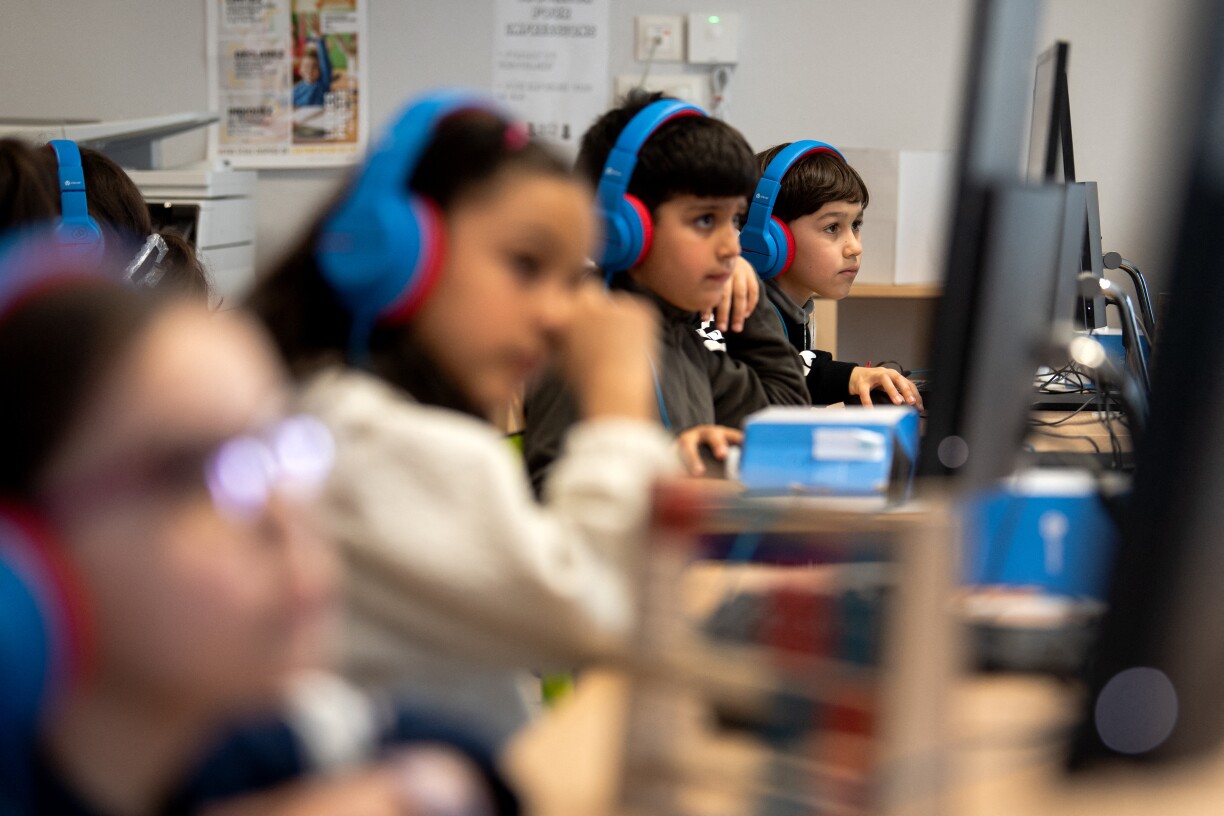
ChatGPT and other Artificial Intelligence (AI) models can be valuable resources for homework and essay writing, as they are able to analyse, explain, and even answer complex questions. However, AI systems are also known to generate inaccurate or fabricated information, a phenomenon often referred to as hallucinations.
RTL recently spoke to Gilbert Busana, director of educational studies at bachelor level at the University of Luxembourg, about how schools might approach the use of artificial intelligence: "AI is not the first transformation we're experiencing in schools. If we think back to when the internet entered classrooms, all the knowledge in the world was suddenly available."
For Busana, however, one thing is clear: artificial intelligence belongs in schools, both as a standalone subject and integrated across other disciplines.
Busana argues that clear guidelines are needed around when and how AI may be used in schools, why it is being used, and how transparent pupils should be about its role in their work. Developing what is often referred to as AI literacy is essential, he added, because without the skills to understand and use these tools properly, pupils would struggle to assess their reliability or to question the results critically.
According to Busana, the growing presence of AI also requires a rethink of assessment methods. Focusing solely on the finished product may no longer be sufficient.
Instead, greater importance should be placed on the learning process itself, ensuring that pupils engage in independent thinking and use AI as a support tool rather than a substitute for their own reasoning. Busana warned that failing to do so could risk producing future citizens and students who find it difficult to think critically when such tools are no longer available to them.
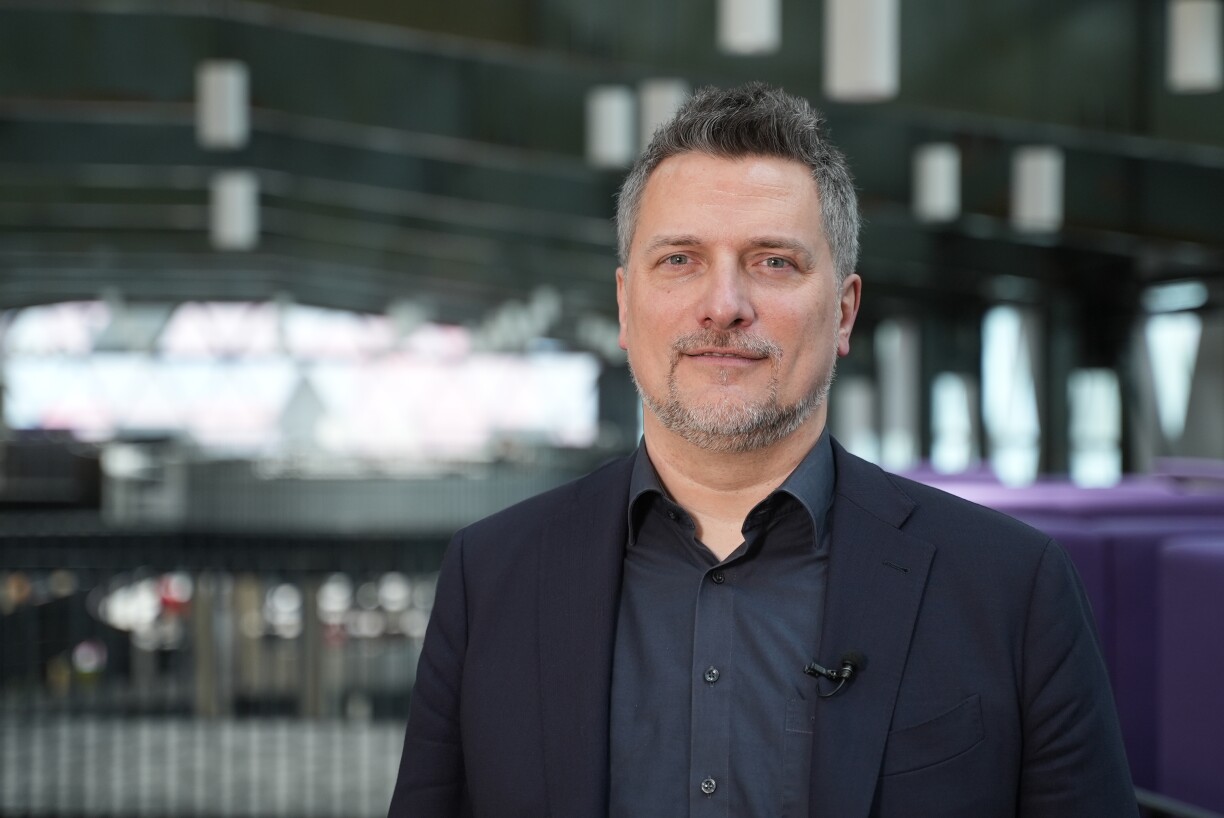
Busana believes teachers need to reflect carefully on how AI can be integrated into their lessons, for example by using it as a kind of writing coach. One possible approach, he suggested, would be for pupils to first formulate their own ideas independently and then compare them with the output of an AI tool.
AI could also be used to reassess the structure of a text, challenge certain arguments, or help improve language and style. In this way, he emphasised, AI would function as what it is intended to be: a tool that supports the learning process.
Artificial intelligence could also represent an opportunity for pupils who may struggle with languages but excel in scientific subjects, Busana argues.
At the same time, the director expressed understanding that AI also represents a challenge for teachers. Digitalisation and AI are reshaping their role, moving them away from being primarily transmitters of knowledge towards becoming coaches and learning companions, he explained.
In his view, teachers should act as role models by demonstrating competent and responsible use of AI, while also motivating pupils and showing that learning can be fun and engaging.
Education and continuous professional training are therefore crucial, Busana argued: "I believe that nowadays it would be difficult to teach while ignoring [technological innovation], because you would be doing a disservice to yourself as well as to the pupils."
Even educators less prone to work with AI cannot afford to ignore its rapid development, he underlined.
However, they do not have to face the challenge alone. Seeking support from colleagues or coming up with collaborative activities within schools could help. Attempting to navigate these changes in isolation, Busana stated, would make it harder to keep up with an increasingly complex world.





