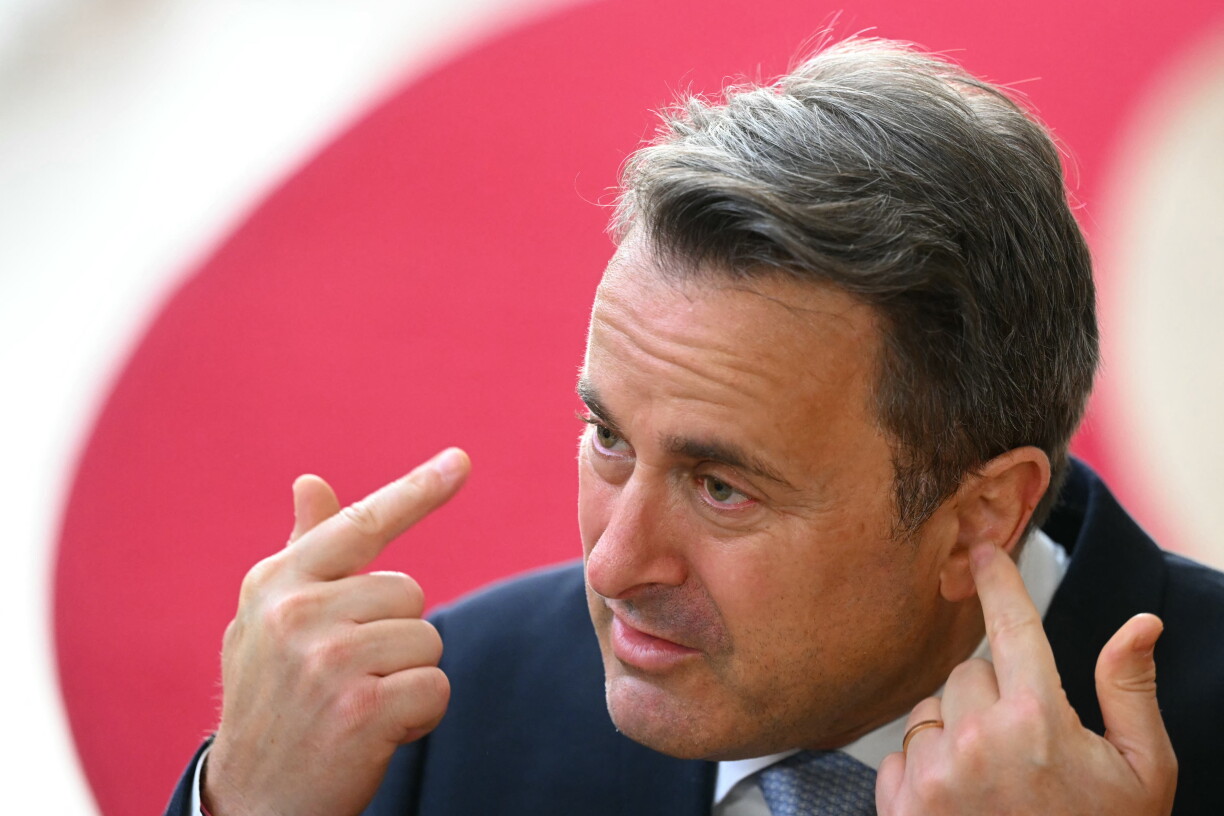
The import ban on illegal Israeli settlements is intended to be a clear, deliberate and legally sound measure, Foreign Minister Xavier Bettel explained in a statement.
For Luxembourg, this is primarily a symbolic act, but a significant one. The country believes it cannot remain a spectator in the face of situations it considers contrary to international law. Bettel described it unequivocally: "These are territories that do not belong to the people who settle there, colonists who take something from someone in a brutal manner."
The minister, however, emphasised that this measure is not directed against Israel as a state. It specifically targets economic activities linked to settlements established in areas that the international community considers illegally occupied. "This is not an action against Israel," he stressed, reiterating that Luxembourg remains committed to its relations with the country. "But when international law is not respected, we cannot simply ignore it."
The European situation further complicates matters. The European Union has failed to adopt a common position on the issue, a fact that Bettel openly regrets. The lack of a united front forces some member states to act alone. "If the EU cannot do it, then countries must act individually," the minister said. Luxembourg therefore intends to assume its responsibilities, even if the economic impact of the measure remains limited.
A Grand-Ducal regulation, drafted in coordination with the Chamber, must now specify the concrete details of the ban. The government wants to ensure that the legal framework is indisputable, in order to avoid any ambiguity or subsequent disputes.
By adopting this position, Luxembourg seeks to send a strong political signal: that of a country that defends international law, even when Europe struggles to speak with one voice. This approach is intended to be consistent with Luxembourg's diplomatic stance, while remaining carefully calibrated so as not to be interpreted as a break with Israel.