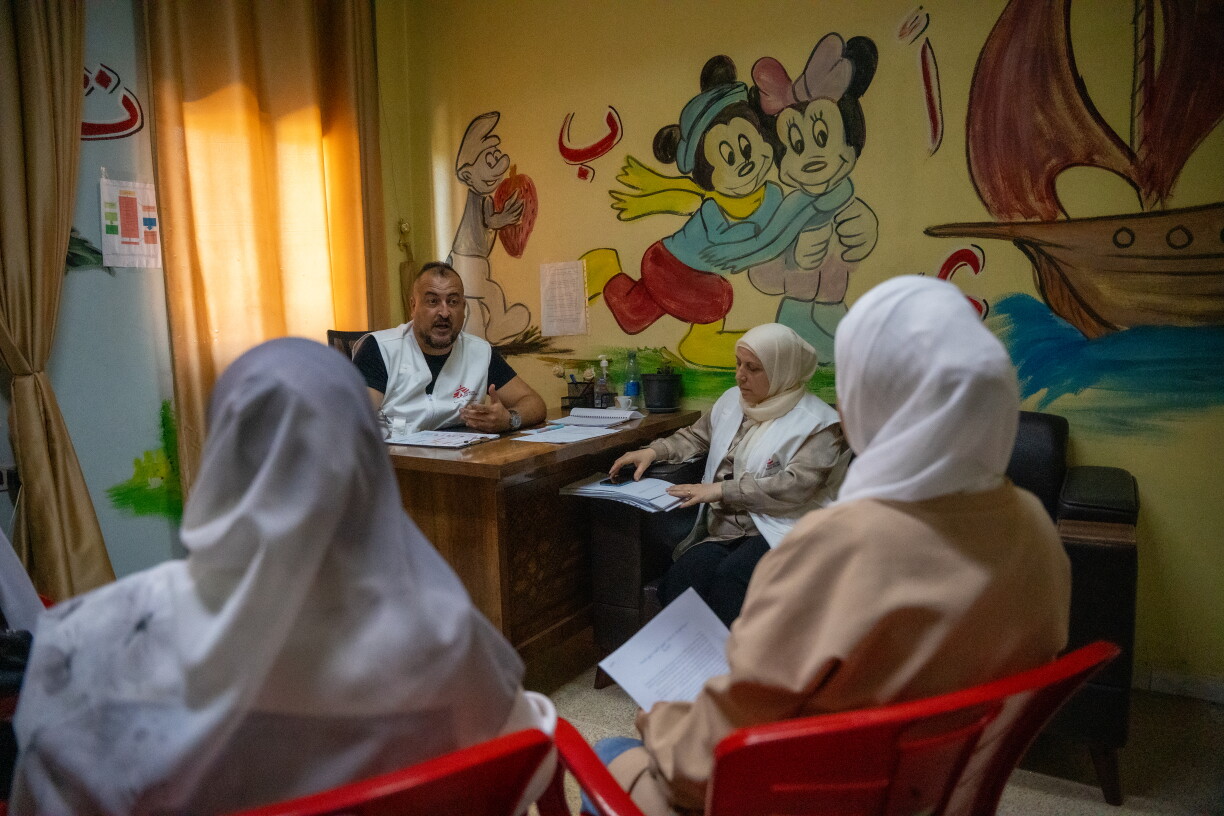
The fall of the al-Assad regime in Syria in 2024 marked a decisive turning point for the country after nearly 14 years of war. Doctors Without Borders (Médecins Sans Frontières / MSF) now has access to previously inaccessible areas which were controlled by the former government, and the local Syrian MSF team has rung the alarm bell on much needed resources for survivors of torture and violence.
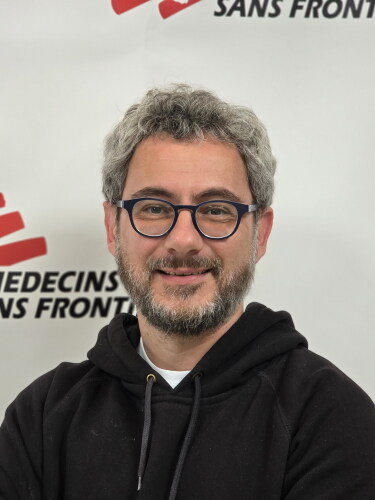
The Luxembourg MSF Operational Research Unit (LuxOR) reacted to this call for action. Umberto Pellecchia, anthropologist and the main researcher of the project, speaks of large parts of Syrian society being affected by the repercussions of detention, torture, and violence under the al-Assad regime.
In reaction to the 2011 protests during the so-called Arab Spring in Syria, the al-Assad government reacted with a "war-like approach", as described by Pellecchia. The regime used its armed forces, detentions without trials, and even chemical weapons to repress its civilians.
In 2024, the regime eventually lost the power struggle and al-Assad fled to Russia. Syria remains marked by over a decade of civil war.
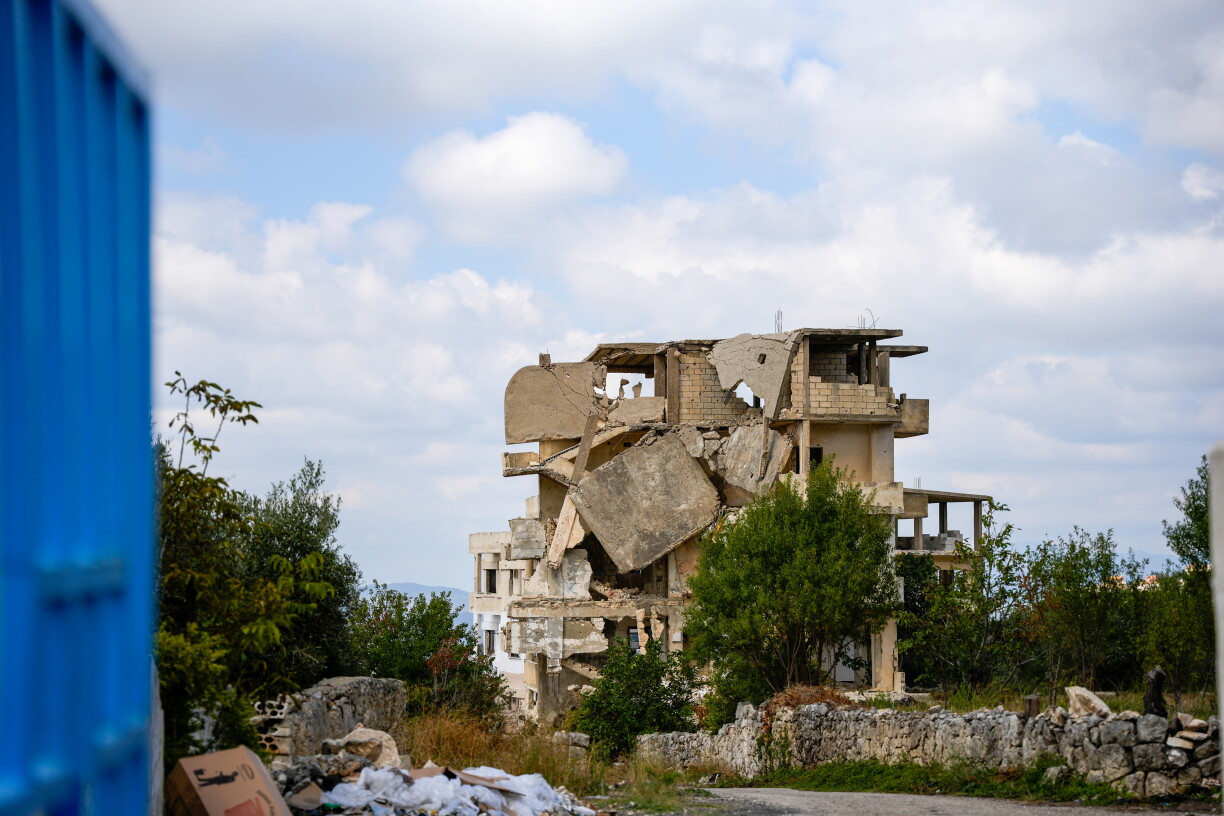
The UN reported in January 2026 that "Syria remains one of the world's largest humanitarian crises, with an estimated 15.6 million people in need of humanitarian assistance and more than 7 million people facing acute food insecurity". 6 million refugees fled Syria, mostly to the neighboring countries Türkyie (2.2 million in 2026) and Lebanon (over 800,000 in 2026).
According to Amnesty International, 100,000 people have disappeared, alongside multiple ten thousands who were detained, tortured, and executed under the former government.
Pellecchia stayed in Damascus and Aleppo for five weeks in the summer of 2026 to conduct an anthropological study. Onsite, he talked to the survivors of torture under the previous al-Assad regime.
His goal was to better understand their experiences of violence, how survivors cope in their everyday life, and how they themselves want to receive support.
Pellecchia speaks of one highly vulnerable interviewee to illustrate the results of his research.
To build trust during the interview, Pellecchia asked him about his hobbies. The man had been detained for a decade.
"He shut down immediately. He said that his hobby was photography. Before his imprisonment, he used to take pictures of parties, his family, and so on", Pellecchia explains.
Pellecchia noticed that he was wearing thick glasses. Later on, the man told him that, during his detention, one form of torture he was subjected to was extremely bright lights.
"It almost made him blind. So, now he cannot use the camera anymore", Pellecchia noted.
A lot of their discussions revolved around the man's loss of his hobby:
What torture does is to completely tear apart your identity. Not just your body or your mental health, but your social identity. This person’s identity was being a photographer and torture succeeded to take it away.
The results of his research showed that medical assistance alone cannot heal a social identity that has been damaged or destroyed. Pellecchia describes how "care is not just to be given in the clinic by specialists, but also by your community".
Care provision thus needs to be reconsidered.
Informed by his research, MSF now initiated community-based projects to complement medical care. MSF recently launched its first groups of survivors of torture who gather and, accompanied by a mediator, discuss their lives.
"They decide what they wanna talk about", Pellecchia explains, with topics ranging from how to deal with insomnia to the frustration of not finding a job. Families of affected people are also invited to be involved.
These groups do not have a therapeutic mission, like group therapy, but a social one – "to resocialise people, to bring them together and create a community", Pellecchia notes.
He adds that many Syrians are also doing this spontaneously in the streets, cafes, and their homes.
His Syria-based MSF team reports that the groups have been a success, with new groups having been formed last September: "Imagine that you by yourself have to take pills every single day, at some point your motivation might drop."
Pellecchia describes one of the effects of these meeting groups:
If you know that other people like you are doing the same thing – taking a pill because your shoulder hurts because you were beaten by the cops – you adhere to the treatment more because the treatment is socialised. You are part of a community.
One of the objectives of the LuxOR research is to also inspire change beyond the considered case. Their results about the importance of community care and social reintegration thus might shed a light beyond the particular situation of survivors of torture in Syria.
"This approach where medical care, mental health care, and social support are integrated is possible to apply to all kinds of populations – Syrians, people on the move, people seeking safety in Luxembourg, survivors of war", according to Pellecchia.
The research results are currently already informing different MSF projects in Greece, Italy, and the United Kingdom.
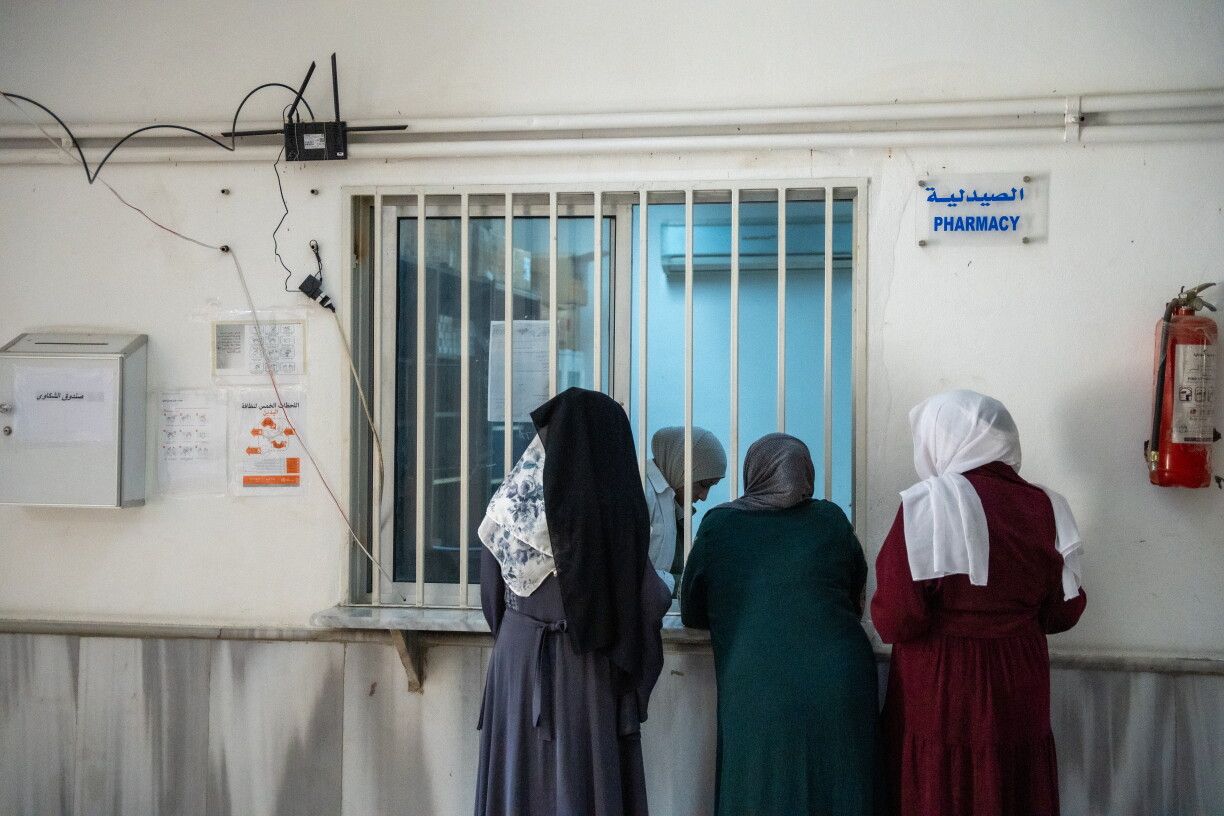
Pellecchia notes that there is no one solution for all and underlines the need of involving communities themselves for such initiatives to work out.
The results might also spark questions concerning Luxembourg's support for refugees and asylum seekers. Over the past years, affected people's access to the job market has been criticised as well as the living conditions in refugee accommodations and prolonged waiting periods for family reunifications – all elements that might influence social identities of people.
The next step of the LuxOR research team is to go back to Syria and continue their work. Current findings are only shared internally within MSF, but Umberto Pellecchia hopes to publish results in the coming year.