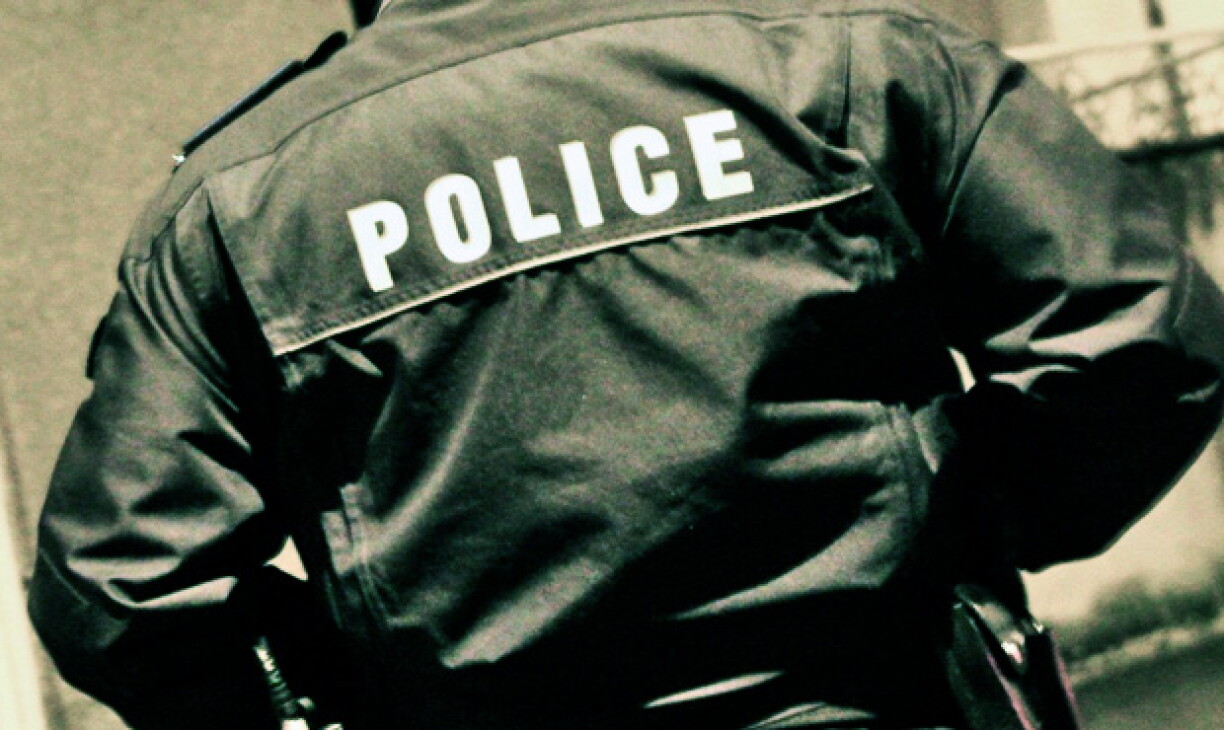
During the meeting, Philippe Schrantz expressed his concern about how police work is becoming more and more difficult as people increasingly question everything police officers do.
The other predominant topic at the meeting was the introduction of new legislation on body searches.
The new law should provide more legal security for both the person being searched and the police officer.
Schrantz stressed that this legal framework is a crucial step for the police force, as body searches can make up a police officer's average day at work, but to date there has been no legislation on when, where, and why a person can be searched.
From the perspective of the police, Schrantz explained that he as director general also requested this legislation as officers need legal security. The work of officers will be much clearer if there is adequate legal context for their actions.
The draft bill will also differentiate between two types of body searches: a security search and a so-called probational search.
A security search would be to determine whether the person in question has anything on their person that could harm another person or help them escape.
As for the probational search, this would be specific in looking for potential evidence to prove a punishable act.
Probational searches would only take place either upon the request of the investigating magistrate or if the person in question is caught in the act.
The legislation will also provide three categories of body searches. A simple search will consist of a frisk or the use of a metal detector and will not require that the person being searched must take off their clothes. This type of search may also include looking through the person's bags.
The next category, a full body search, will require that the person in question partially or fully undresses. Police officers will also be able to check the person's mouth, ears, armpits, and between their legs for any concealed illicit items.
The final category would be an intimate exam, which would include searching the person's orifices, but the law would only allow a doctor to conduct such exams.
Minister of Justice Felix Braz explained that the legal framework would not apply to security searches that occur before concerts or football games. In these security searches, the main aspect is willingness.
As Braz explained, if a person at a concert decides they are unwilling to be subject to a search, they can then leave of their own free will.
He stressed the importance that the draft bill only relates to mandatory body searches which have a legal justification.
In the meeting, MPs seemed to be in agreement concerning the different aspects of the draft bill. MPs could soon vote on the draft bill following a few amendments.





