Schoolbooks don't just dictate subjects such as mathematics or French; they also help pupils to learn values. As a result, school literature should ideally reflect our society, but this is not always the case, according to a study published by Uni.lu and the Ministry of Equality. The report found that many schoolbooks are guilty of depicting outdated differences between the sexes, above all when it comes to showing men and women performing different jobs or activities.
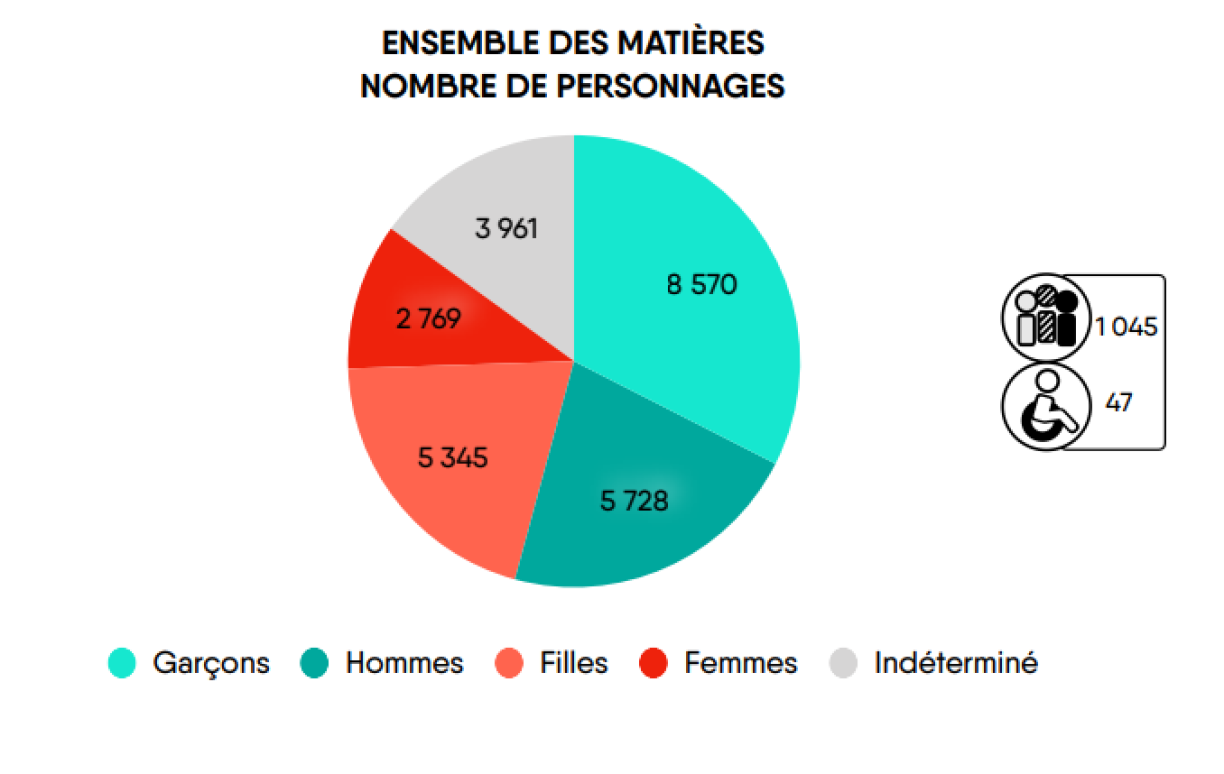
There was a visible difference in the number of men or boys depicted in schoolbooks used in primary schools, compared to the number of women or girls featured in the books.
However, researchers did not just examine the number of people depicted, but also noted that the proportion of men and women changed depending on what roles or activities were discussed within a schoolbook. For example, they found that more women were depicted carrying out activities such as housework, while more men were shown carrying out traditional jobs - meaning women suffered a lack of representation in work, according to researcher Sylvie Kerger.
A similar phenomenon was observed in reading books. In German textbooks, researchers found the number of stories penned by male authors was more than double those written by women. The difference was even larger in Luxembourgish books, with male authors featured six times more than female writers.
Kerger said it was certain that representation at this level has a fundamental impact on children, supported by studies on the topic. For example, if textbooks primarily feature men carrying out the role of a pilot, it makes it difficult for children to envision girls or women as pilots. Equally, if teachers are shown to be women more so than men, it has a knock on effect in that boys then struggle to imagine teaching as a potential career later in life. The same phenomenon occurs with the roles of secretary or nurse, added Kerger.
The Uni.lu study also focused on gender diversity. Kerger said a recent development had been observed primarily in science textbooks, where previously the text might have focused on boys/girls or men/women, it now includes topics such as intersex or non-binary. However, this is a very new development, observed only in the last year.
Regrettably, other forms of diversity are much less prevalent in Luxembourg's schoolbooks. The report found hardly any depictions of people with disabilities. Textbooks also depict fewer people of different races when compared to society, and when people of colour were featured, they were generally portrayed as living abroad, according to the study.
Follow-up report to come
The study's results were said to be unsurprising, but minister Taina Bofferding welcomed the fact that concrete data is now available on the subject of representation. She added that there were plans in place for a second study to follow the first, in collaboration with the country's education authorities, who have put together guidelines for the education sector with regard to the content and language used when teaching children.
The Ministry of Equality between Women and Men will also collaborate with researchers to develop workshops for young people, to help raise awareness of the topic.
New textbooks are also in development to ensure a fairer representation between genders. At present, the topic is left to the discretion of teaching staff in terms of introducing it to pupils.
Teacher Michel Delleré explained some books still carried outdated stereotypes, with few sources available to teaching staff when it comes to showing more modern representation. Pupils are open to discussing the topic, he said.
Generally it was agreed that textbooks should reflect reality.





