Here are five things you should know at the end of this week:

Inflation impact measured – According to the latest report from STATEC, Luxembourg's resilience package has curbed inflation by 0.7% since August. The measures, which include subsidies for electricity, gas, and heating fuel, have helped keep inflation lower than it would have been otherwise. STATEC projects inflation will average around 2.5% in 2027, which is 0.4 percentage points below the level expected without these interventions.
Wage indexation postponed – Due to the extension of government support, the next automatic wage indexation is now expected in the second quarter of 2027, a few months later than previous forecasts. Without the resilience package, this indexation would have been triggered before the end of this year. STATEC also anticipates that a second indexation in 2027 will be avoided, with the following one projected for the second quarter of 2028.
Energy prices remain high – Despite ongoing subsidies, underlying energy costs in Luxembourg have continued to rise. In October, heating fuel was 68% more expensive than in January, and diesel prices had increased by 47% over the same period. While the resilience package defers some inflationary pressure, STATEC notes that it does not fundamentally reverse the broader trend of rising prices expected between 2026 and 2028.
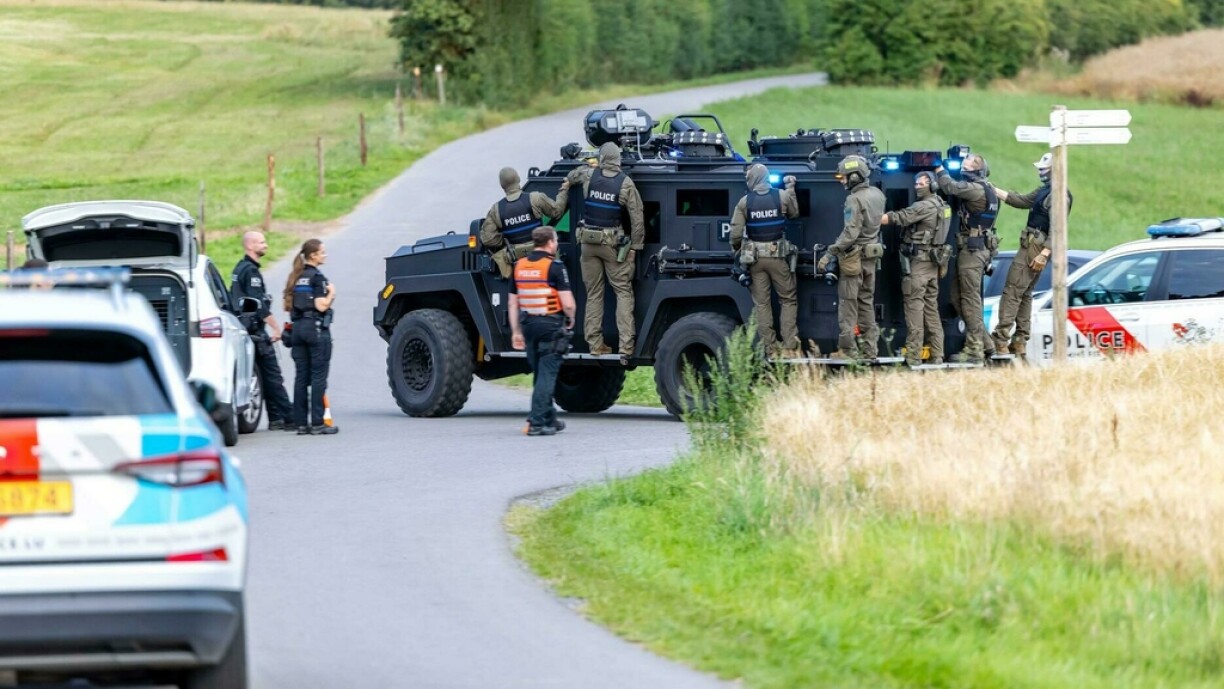
Large-scale police operation – Police responded to the illegal rave after reports of heavy traffic late on Friday, 25 July 2025. Around 120 officers, including special units and canine squads, were deployed to the site in Heinerscheid, a Natura 2000 protected area. The operation involved armoured vehicles and support from the army to impound equipment. Officers encountered hostility from partygoers, with some participants resisting orders and others detained for various offences.
Environmental and financial impact – Farmer Bob Simon, whose land hosted the rave, described extensive damage and rubbish left behind, including fridges, mattresses, and bottles. His lawyer sought €26,000 in compensation for three lost harvests on six and a half hectares, citing ongoing rubbish and the inability to fully restore the field due to conservation rules. Conservation officials highlighted risks to protected wildlife, with noise and light disturbing birds, bats, and amphibians.
Courtroom disputes and next steps – In court, defendants offered mixed responses – some apologised, others denied knowing the event was illegal, and many requested the return of confiscated equipment. Police and prosecutors faced challenges clarifying each person's role, with translation difficulties adding to the complexity. The trial continues, focusing on the environmental consequences, the defendants' actions, and the broader impact on the local community and protected habitats.
Prosecutors are now seeking fines of up to €1,750 and the permanent confiscation of equipment for dozens of defendants in the trial relating to an unlawful rave held in Heinerscheid in July 2025.

Reported incident in Clausen – A woman was allegedly raped in a side street off Montée de Clausen in Luxembourg City during the night of 14 November. The public prosecutor confirmed the incident but stated that the circumstances remain under investigation. According to Ask for Angela, two men reportedly witnessed the attack and tried to pursue the suspect, but were unsuccessful in apprehending him.
Support group raises concerns – Ask for Angela, a support group, went public with the case after being contacted by a concerned individual about the lack of information. The group’s president, Terri Allington, said they have complete confidence in the information received. Allington highlighted that many similar cases are not made public, which she believes contributes to a false sense of security.
Debate over public disclosure – Allington criticised authorities for not informing the public about such incidents, questioning how people can avoid dangerous areas without specific information. She noted that authorities often cite ongoing investigations as a reason for withholding details. RTL contacted the public prosecutor's office about disclosure criteria but received no response. The police are currently investigating the case.

Board reversal and political pressure – Nvidia's board initially moved to distance itself from Jensen Huang after revelations of extramarital affairs, including one with a suspected Chinese spy. Despite launching an independent investigation and insisting Huang would not return, the board reversed course after direct intervention from US President Trump, who reportedly called into a board meeting to urge Huang’s reinstatement. The move has drawn criticism from governance experts and calls for board resignations.
Market reaction and volatility – News of Huang’s return sent Nvidia’s share price soaring over 30% on Monday, recouping losses from the previous week’s turmoil. The broader tech sector also rallied, with major indices such as the Nasdaq and S&P 500 posting significant gains. However, analysts caution that volatility remains, as the company and its CEO are still under investigation by regulators and face potential legal and political risks.
Governance and ongoing scrutiny – The Nvidia episode has sparked debate about US corporate governance, with experts highlighting the board’s credibility issues and the impact of political intervention. The company faces internal and external investigations, including congressional hearings and shareholder lawsuits. While some see the case as an outlier, others warn that political risk is becoming a major factor for corporations, challenging established governance practices.

Coalition under pressure – Belgium’s coalition government is grappling with deep divisions over proposed austerity measures aimed at reducing the country’s deficit. Prime Minister Bart de Wever has warned that without a budget agreement by the end of the year, the government will effectively cease to function. The ruling parties have been locked in contentious talks for weeks, with disagreements particularly pronounced over spending cuts and tax policy.
Nationwide protests erupt – Monday saw widespread disruption across Belgium as tens of thousands marched in Brussels and a national strike halted all flights. Public transport, schools, and other services were also affected. Riot police deployed tear gas and water cannon to disperse some demonstrators, and at least one arrest was reported. The strike, triggered by planned austerity measures, reflects growing public anger over proposed spending cuts.
Royal intervention and next steps – King Philippe has intervened by granting the prime minister more time to reach a deal, after previously refusing De Wever’s resignation. The monarch has urged perseverance despite the lack of progress, with De Wever due to report back next week. The government’s efforts to cut €10 billion from the budget remain contentious, particularly with unions and leftist coalition members demanding higher taxes on top earners instead.
Your Weekly Recap is published every Friday at noon. Read earlier versions here.