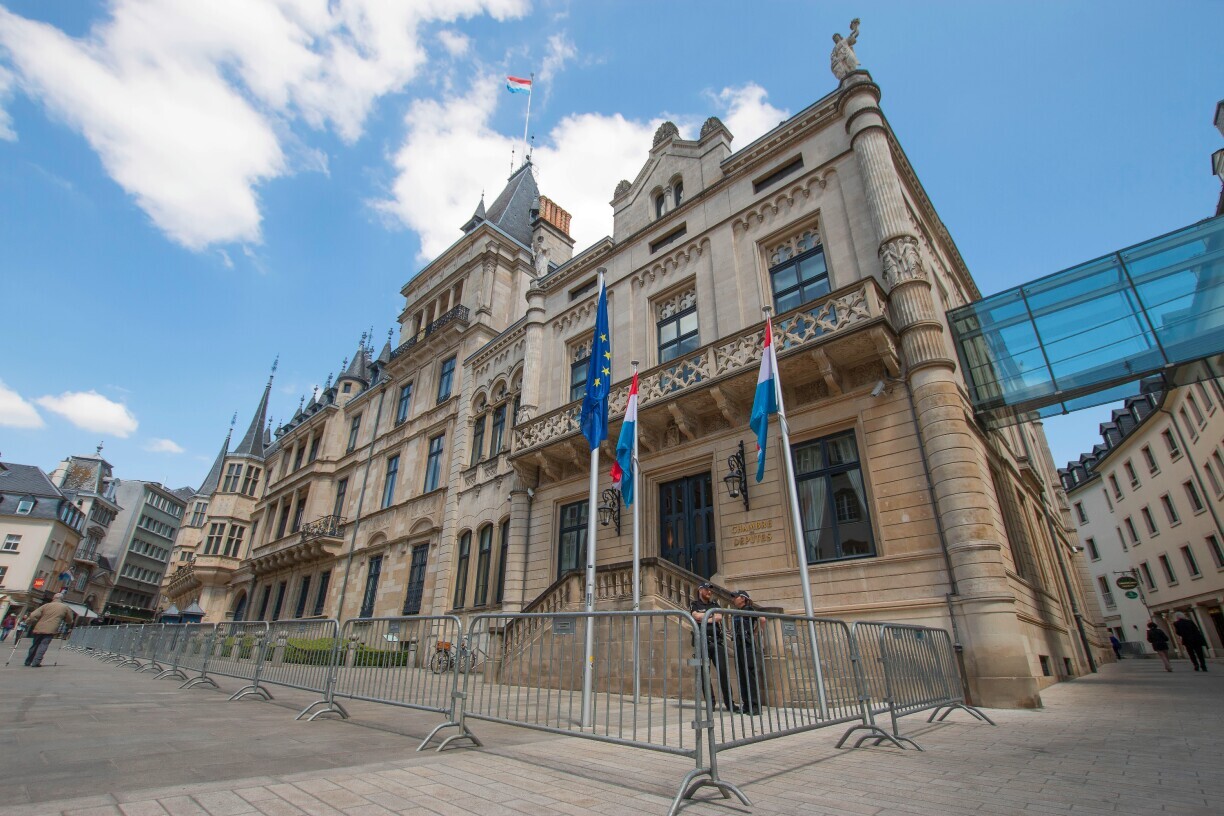
A frequent topic of discussion recently, approximately 30,000 self-employed people in Luxembourg are feeling the crisis the most. It is therefore unsurprising that their statute was discussed in a current affairs session in the Chamber on Thursday morning.
All parties echoed the same statement: self-employed individuals play a key role in the economy, but they are often disadvantaged and their statute therefore urgently needs to be modernised. Green MP Sam Tanson called for reform:
"We want people standing on their own two feet to not suffer from disadvantages. When you look at the laws which have been around for years, you get the impression they were written with some suspicion that self-employed people could have abused them easily, and it was therefore better to remove certain rights or only permit them to a limited extent. It's time for a change in mentality."
Tanson stressed that the pandemic had shown that, despite their contribution, self-employed people cannot always count on the same social protection as employees. She highlighted three priorities for reform: better protection in times of crisis, easier access to unemployment support, and a reform of the status of the co-signer.
Ben Streff of the LSAP said that every crisis is just putting a plaster on the issue, and it was high time to change something for the better. "Perhaps we should switch from this crisis mode to a security mode."
Many MPs also wanted to dispel the idea that every self-employed person is a big boss. The Left's Marc Baum has been self-employed for 21 years.
"Self-employment doesn't mean they are an employer themselves, and not every employer is independent. The vast majority of self-employed work alone, they don't employ or hire others. That is the majority of those declared as self-employed in Luxembourg, and paying contributions."
Baum emphasised the precarity for many self-employed and called for stricter checks, especially in the case of platform work and freelance models, to ensure that they are truly independent.
The Pirates' Sven Clement criticised the administrative burden in particular, as despite many promises to the contrary, there is still no real one-stop shop.
"It's just a mess of paper, PDFs, letters, emails, MyGuichet, and other platforms. That isn't administrative simplification, it is administrative complexity and must be abolished."
Alexandra Schoos of the ADR called for better and faster protection in the event of illness, but also for fairer protection during pregnancy and parental leave. "That means exemption from work in the event of emergency, with full salary compensation through the health insurance fund, just like salaried employees."
Economy minister Lex Delles admitted that there had not been adequate protection for the self-employed in the past. As a result, the government had to improvise during the pandemic.
"There was no safety net [...] there is a responsibility, if as a government we want to promote self-employment, to include a safety net."
Delles added that support would start even before a business is founded. As an example, he mentioned the 'Aide primo-créateur', which means new entrepreneurs can receive up to €2,000 per month for six months if they don't have no income. He also highlighted the reform of the 'Deuxième chance', which is intended to make it easier for entrepreneurs to start over after bankruptcy.
For the future, the minister promised to better secure the self-employed. In addition to simplifying administrative procedures – including with a single identifier – the "independent package" provided for in the coalition agreement is also intended to ensure greater social security. CSV MP Stéphanie Weydert also emphasised that strengthening support for the self-employed was included in the coalition agreement and that work would be done on an "independent package".
The opposition said that in spite of previous promises, too little has been implemented in practice. Sam Tanson tabled a motion on behalf of three opposition parties, demanding that the Chamber be included in the process earlier and not only be presented with finished texts.
Sven Clement added: "One has to be aware that when the majority parties say it's too early for a motion to discuss the progress, it means they don't want us looking at their cards, they want to do it behind closed doors."
The majority argued against this motion, as the reform work is still ongoing and detailed texts are planned for the fall term. The result of the vote was clear: the motion was rejected with 34 no votes to 25 yes votes.