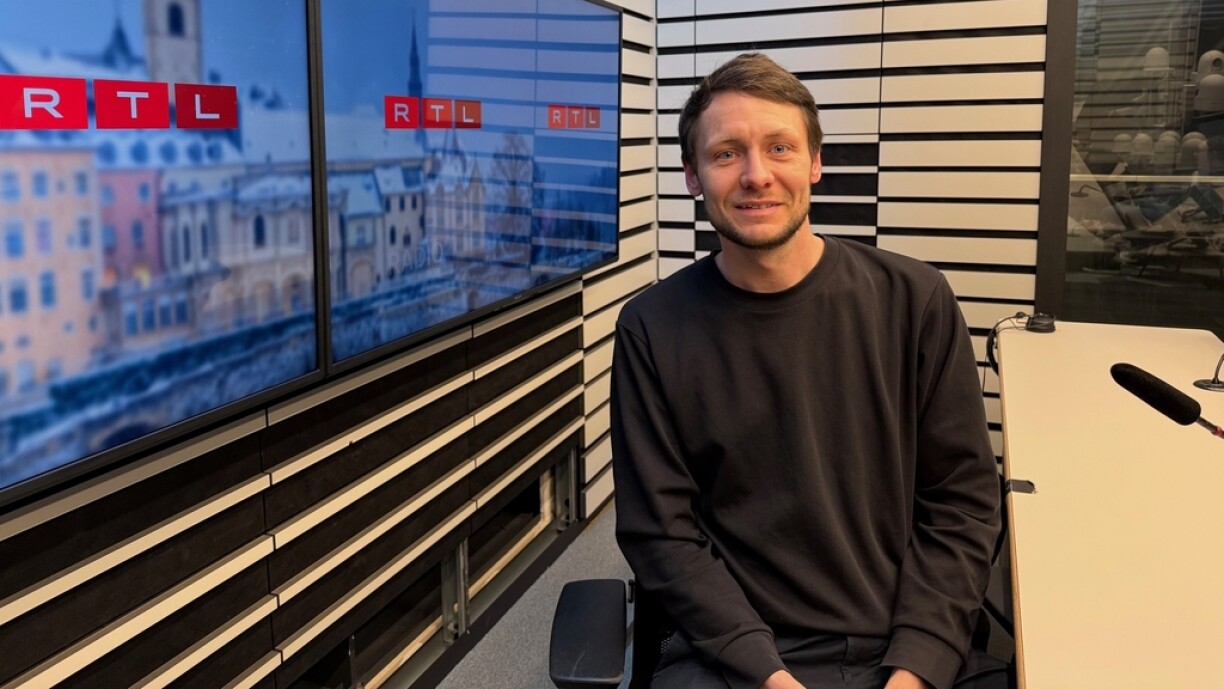
On Tuesday morning, Dr Charles Benoy, a psychotherapist at the Rehabilitation Clinic in Ettelbruck, spoke to our colleagues from RTL Radio about the rising prevalence of anxiety disorders and panic attacks.
He noted that an increasing number of people, including young individuals, are affected, though concrete epidemiological studies are lacking. Dr Benoy emphasised that this trend is evident from the growing number of patients seeking help.
Together with Prof Dr Marc Walter, Dr Benoy recently co-authored the book "Panik: Angst und Panikattacken verstehen und bewältigen" ("Panic: Understanding and overcoming anxiety and panic attacks"). The book aims to raise awareness about the surge in cases, particularly as waiting times for treatment have become "extremely long."

Dr Benoy highlighted the severe psychosocial impact of prolonged waiting times in psychiatric care. Staff shortages, he explained, exacerbate the problem, leaving many patients unable to secure timely appointments. When individuals are told during their initial call that no slots are available, they often delay seeking help again until their condition worsens. By then, the disorder may have advanced significantly, leading to severe consequences such as job loss or strained relationships with family and partners. Dr Benoy described these outcomes as "collateral damage," which not only complicate treatment but also disrupt the lives of those affected and their loved ones.
Dr Benoy clarified the distinction between anxiety and panic attacks, noting that panic attacks often occur without warning or apparent cause. This unpredictability makes them particularly distressing for sufferers, who may experience intense symptoms such as a racing heartbeat, sweating, and hyperventilation. Many fear they are dying or fainting during an episode. In contrast, anxiety typically has a clear trigger, such as phobias related to spiders, dogs, or flying.
Dr Benoy explained that certain individuals are more prone to panic attacks, particularly those who perceive their bodies as vulnerable – such as people with chronic illnesses – or those under significant stress. To manage panic attacks, he advised reminding oneself or the affected person that there is no immediate danger. Dr Benoy also emphasised the importance of deep breathing, particularly focusing on exhalation, to help the body calm down.
He identified key risk factors, including chronic physical illnesses, financial difficulties, social isolation, and a lack of social support. According to Dr Benoy, the challenge lies in providing adequate support to those at risk to prevent the onset of such disorders.
In their book, Dr Benoy and Prof Dr Walter explore the hypothesis that modern society's relationship with the body has shifted. Dr Benoy noted that people today are far more attuned to their bodies, often reacting quickly to physiological changes – even those that are normal.
At the same time, he criticised the tendency to treat the body like a machine, with individuals increasingly neglecting rest and maintaining a constant state of activity. This "chronic state of activation," as Dr Benoy described it, may contribute to the rise in panic attacks. He called for further research into this phenomenon to better understand its impact.





