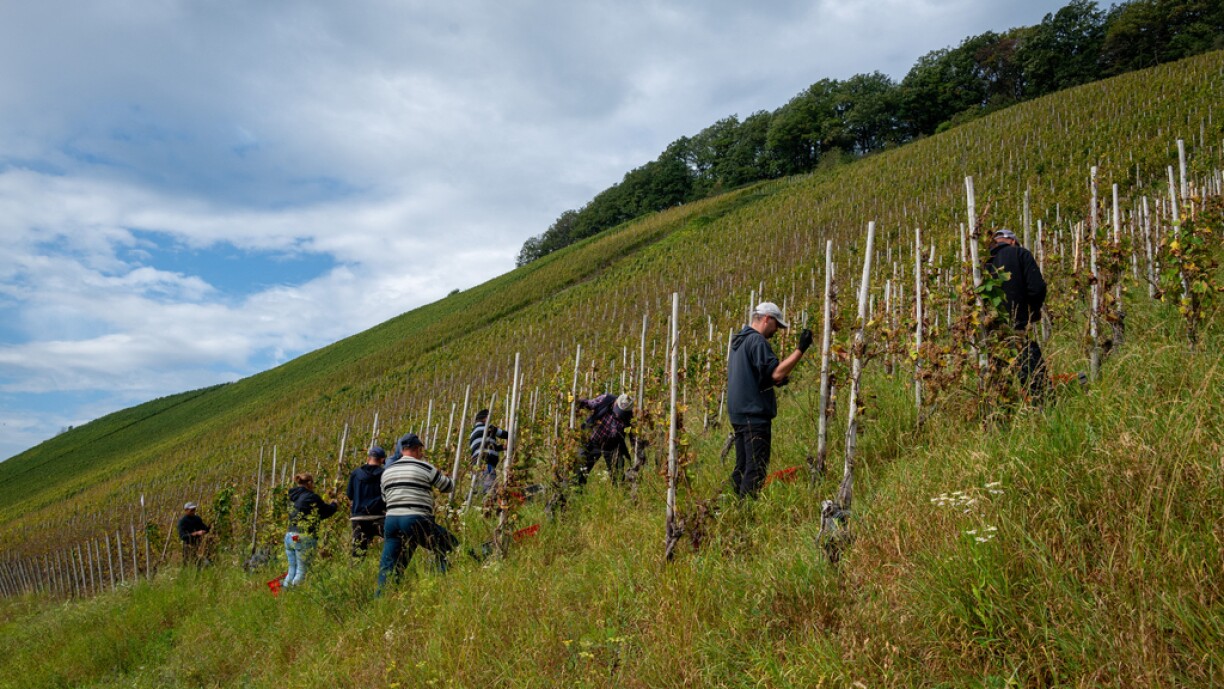
Along the banks of the Moselle, vineyards have been part of Luxembourg's landscape, economy, and culture for generations. The country's wine region stretches for around 42 kilometres, with producers cultivating varieties including Riesling, Pinot Blanc, Pinot Gris, and Auxerrois, as well as grapes used to produce Crémant de Luxembourg, the country's sparkling wine.
But the climate that has traditionally shaped Luxembourg's vineyards is changing.
For winegrowers, climate change means more than warmer summers. Earlier growing seasons, drought, intense rainfall, spring frosts, hail, and heatwaves are making conditions increasingly unpredictable.
These changes affect not only yields, but also when grapes ripen, how they develop, and what Luxembourg wine will taste like in the future.
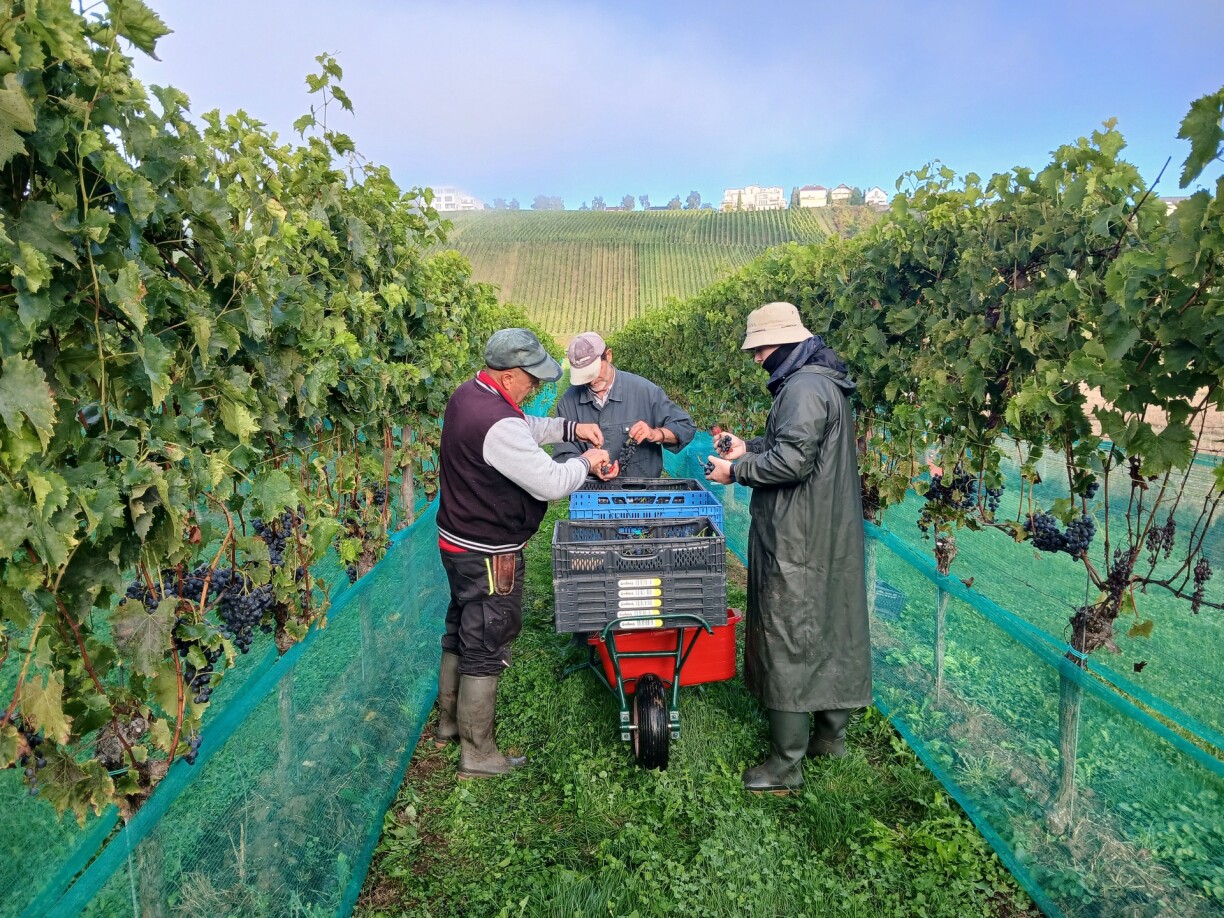
The grapevine follows a relatively predictable annual cycle, from budburst and flowering to fruit set, veraison, and finally harvest. Rising temperatures are shifting the timing of these stages.
Antoine Clasen, CEO of Bernard Massard, says the winery is seeing "earlier budbreaks", leaving vines increasingly exposed to spring frost and contributing to earlier harvests. For André Mehlen, director general of Domaines Vinsmoselle, one of the clearest changes is that "the harvest is taking place earlier and earlier".
In 2022, extreme heat and drought pushed the beginning of the crémant harvest to around 22 August. Historically, the first grapes were harvested around 22 September.
The government described that season as a historically early harvest, while also reporting a water deficit of up to 400mm along the Moselle.
Corinne Kox, who took over her family's Domaine L&R Kox in 2019, has observed the same trend. Earlier springs and higher temperatures are accelerating ripening and bringing harvests forward.
Earlier ripening can be beneficial in a traditionally cool wine-growing region, but it also creates a delicate balance. As grapes ripen, sugar levels increase while acidity generally decreases.
If ripening happens too quickly, grapes can develop high sugar levels before reaching the desired flavour and aromatic profile. For Luxembourg's fresh white wines and crémant, maintaining acidity is particularly important.
Mehlen notes that winegrowers once needed to add sugar to the must to reach the required alcohol level. Today, particularly in warm years, the sector is increasingly looking at ways to reduce alcohol levels, including through different yeast strains and technologies.
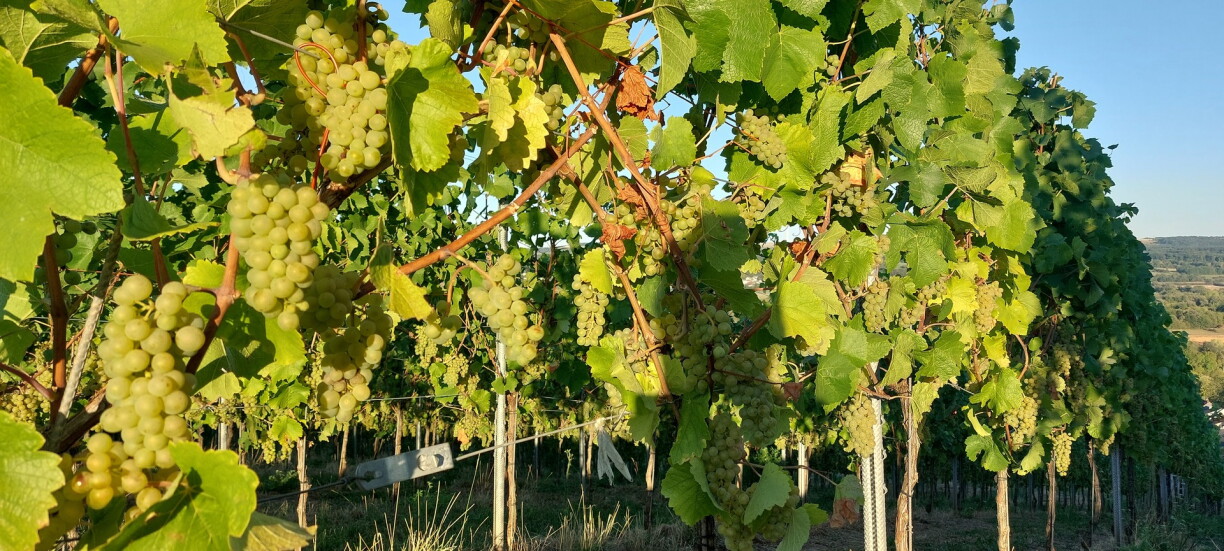
Drought is a growing concern. Mehlen has seen its effects particularly in young vines, whose roots have not yet developed deeply enough to access water reserves.
Under severe water stress, vines can stop developing their grapes and even begin losing leaves. Older vines are generally much more resilient, although they can still be affected, with individual berries drying out.
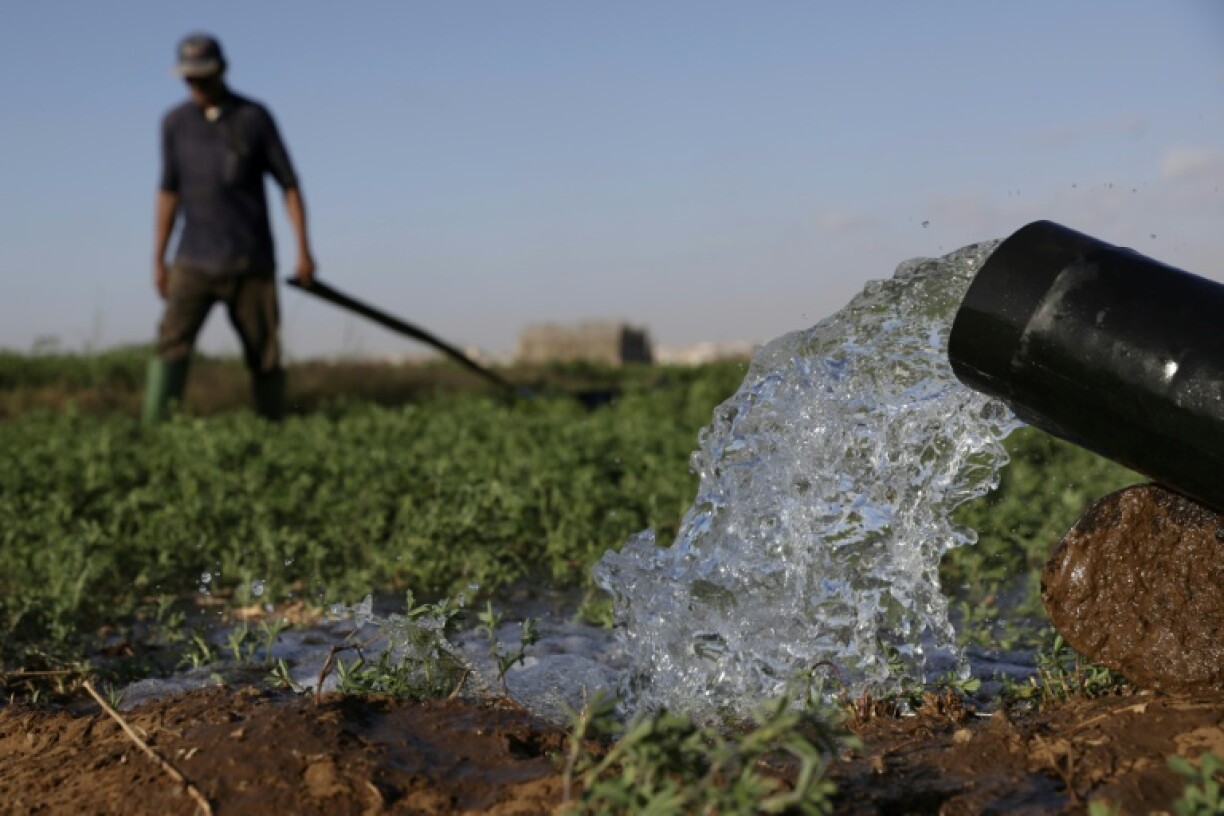
Watering vines can help them survive, but Bernard Massard believes irrigation should not become a permanent dependency. "Our priority is not necessarily irrigation, but making the vineyard more resilient", Clasen says.
Healthy soils with sufficient organic matter, vegetation between rows, and less unnecessary soil disturbance can improve water retention and help vines withstand prolonged dry periods.
For young vines, however, watering can become necessary when water stress threatens their survival. The aim, Clasen says, is to avoid creating a dependency on irrigation, allowing roots to develop deeper into the soil and access water reserves naturally.
The challenge is particularly significant because water is already a limited resource. According to Science.lu, providing the equivalent of just 10mm of rainfall to one hectare of vineyard would require approximately 100,000 litres of water.
Large-scale irrigation therefore raises difficult questions when vineyards, households, agriculture, and ecosystems are all competing for limited water resources.
However, drought is only one side of the problem. Kox points to the contrast between recent years, with extreme heat and drought followed by periods of excessive rain and flooding.
Wet conditions can bring fungal diseases such as grey rot and downy mildew, while heat and drought can damage grapes and increase water stress.
Climate change is also forcing winegrowers to reconsider how vineyards themselves are designed. Kox argues that Luxembourg's traditional vineyard structure has a weakness: monoculture.
Since 2019, she has been planting trees among the vines to break up the monoculture plot and create a more diverse ecosystem. The trees could eventually provide shade during periods of extreme heat, while contributing to greater biodiversity.
"The trees are small now", Kox says, "but in 20 years' time, when the weather conditions become more extreme, big trees in the vineyards could be very helpful."
She also sees biodiversity as part of the solution. Organic material can improve soil structure and water retention, while greater diversity within the vineyard can contribute to a more resilient ecosystem.
Future planting decisions may also need to look decades ahead. Kox argues that every new vineyard should be planned with the next 50 years in mind, including the choice of grape varieties and cultivation methods.
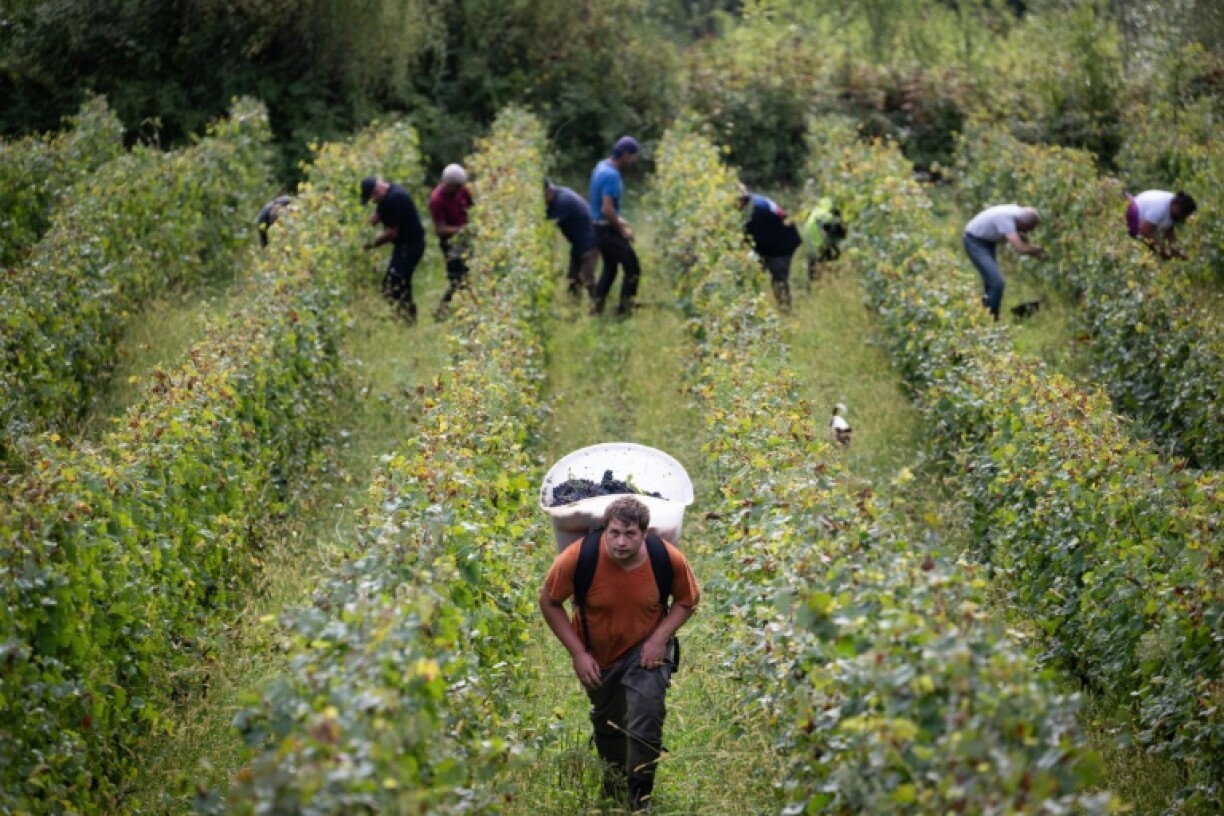
The challenges of climate change affect not only the grapevine but also the people working in the vineyards. An earlier harvest means workers may need to reorganise their schedules, equipment, and transport at short notice.
Extreme heat can also make vineyard work more physically demanding and potentially dangerous.
For family-run wineries, a poor harvest can affect an entire business. Lower yields mean fewer bottles to sell, while additional spending may be required for irrigation, protective equipment, vineyard management, new technology, or labour.
Mehlen argues that one of the biggest issues is succession. The future of Luxembourg's vineyards depends not only on whether vines can cope with a changing climate, but also on whether there will be enough people willing to work them.
He argues that there is a "need to make the profession of winegrower and farmer more attractive again, especially for younger generations."
For Clasen, the biggest impact is uncertainty. Weather patterns are becoming "more difficult to predict", he says, adding that "nature does not wait for our planning".
The importance of viticulture also extends beyond the bottles produced to cultural landscapes and identity. Without viticulture, Mehlen argues, the Moselle region "would certainly be less attractive as a tourism destination".
The future is not necessarily one of decline. Winegrowers and researchers are already exploring ways to make Luxembourg's vineyards more resilient.
The Institut viti-vinicole and the Luxembourg Institute of Science and Technology (LIST), through projects such as DryVineyard, are already researching ways to improve vineyard resilience, including drought-resistant rootstocks, optimal harvest timing for Crémant, viti-forestry, and viti-photovoltaic measures.
At Bernard Massard, adaptation is already part of everyday vineyard management. Clasen says the winery is changing how it manages the canopy and soil "to protect the grapes from excessive sun and to retain more moisture".
The approach varies with the conditions. In hot, dry years, more leaves can be left on the sun-facing side of the vines to protect grapes from sunburn. In wetter years, the canopy can be opened up to improve airflow and reduce the risk of fungal disease.
The winery is also paying closer attention to the grape varieties, clones, and rootstocks selected when replanting. For Clasen, the key is flexibility: "Ultimately, it is about being more reactive and adapting vineyard practices to each individual vintage."
Winegrowers may also need to adapt pruning practices, soil and water management, vineyard location, and grape varieties. Cooler or higher-altitude sites could become increasingly valuable as temperatures rise.
For Mehlen at Domaines Vinsmoselle, climate change also presents an opportunity to strengthen Luxembourg wine internationally. He argues that the country's reputation for quality and reliability could extend to its agricultural products, including wine and crémant.
That will require investment and technology, but also people "who are willing to continue working in agriculture and viticulture".
As weather becomes increasingly unpredictable, resilience – in the vines, soil, vineyard ecosystem, and the people working them – may become just as important as the grapes themselves.