As international delegates at COP31 in Turkey debate climate targets and the escalating consequences of global warming, researchers in Norway are documenting these tangible effects on the ground using advanced technology developed in Luxembourg.
For two weeks, a research team traversed the mountainous regions south of Trondheim, Norway, to study the rapid thaw and alarming decline of local glaciers. To document these changes, the team deployed a portable 3D laser scanner and accompanying software developed by Luxembourg-headquartered Artec 3D.
Paul Hanaphy, Head of Content and Public Relations at Artec 3D, explained that the researchers utilised the company’s Artec Jet 3D Scanner, a device designed to be mounted on a backpack. Equipped with the scanner, the team walked across the ice and snow to measure surface areas that had been documented in previous studies. By comparing the new data with historical records, researchers can precisely calculate the current rate of glacial melt.
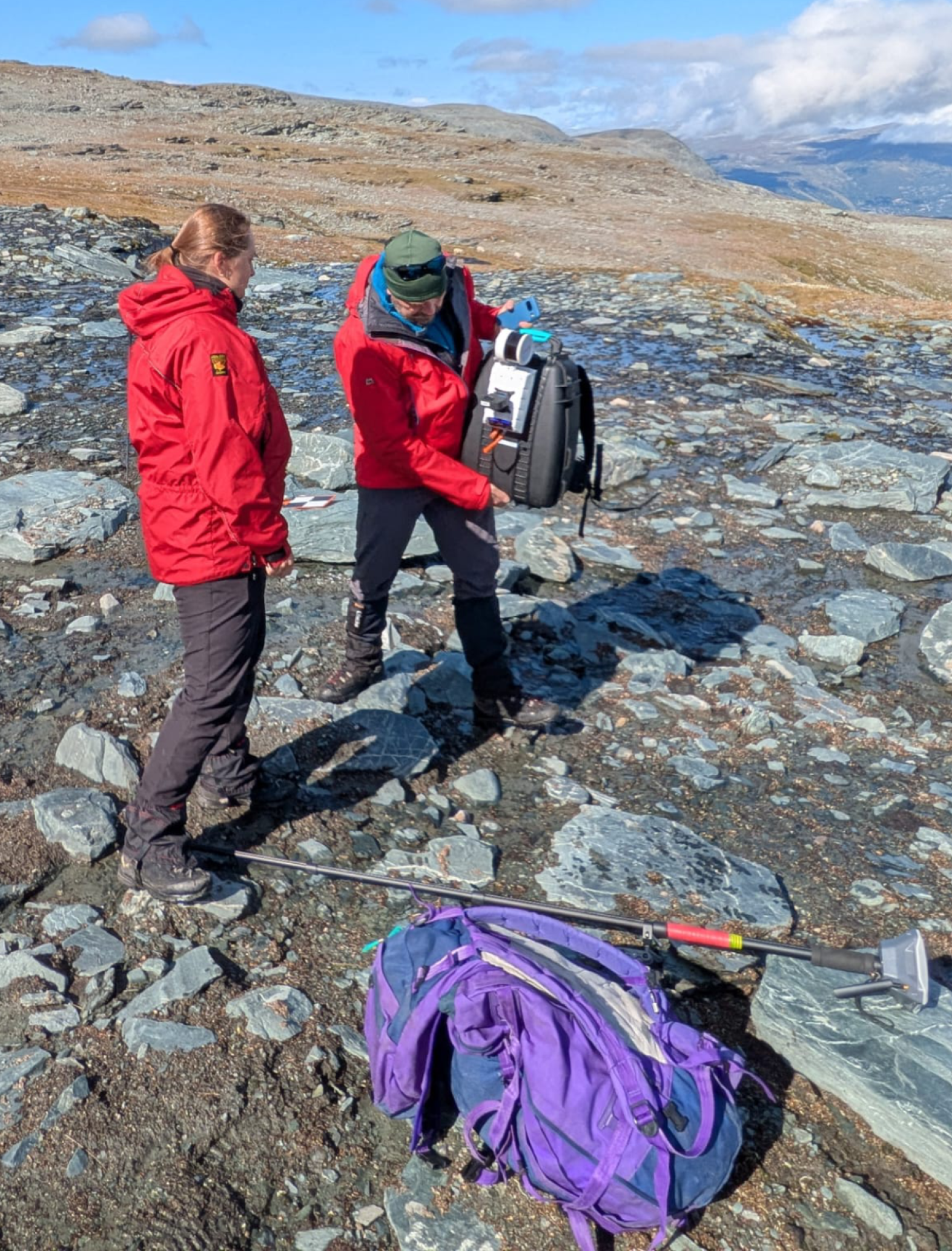
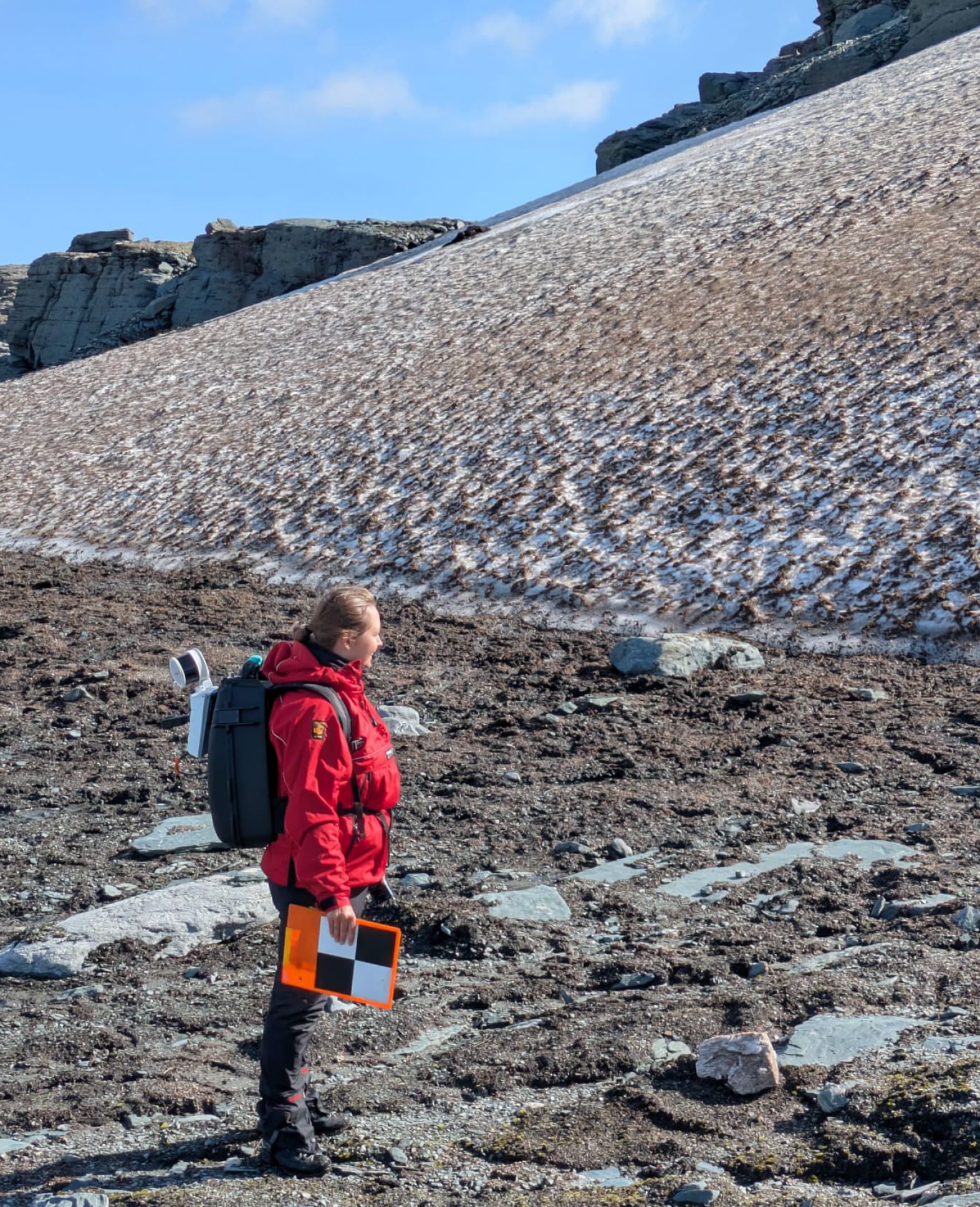
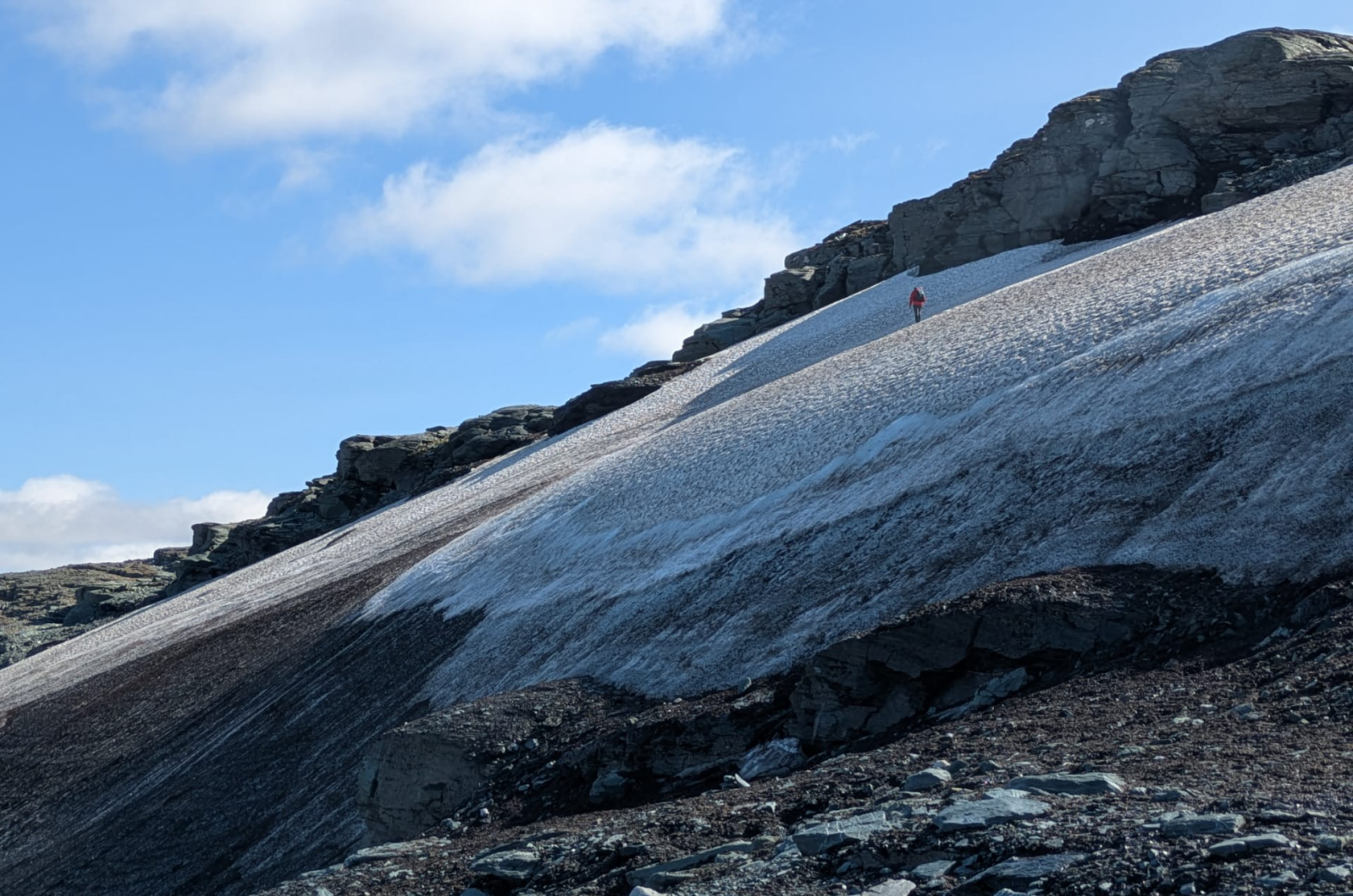


During the expedition, the team documented approximately 128,000 square metres. An operation of this scale using conventional tripod-mounted surveying equipment would have taken days. With the backpack scanner, it was completed in a matter of hours.
Art Yukhin, President and CEO of Artec 3D, noted that the company specialises in creating highly accurate "digital clones" of physical objects. The technology is highly versatile, capable of scanning subjects ranging from expansive cityscapes and Norwegian icefields to microscopic microbes. According to Yukhin, large structures can be digitised in minutes, with the primary advantage being the ability to monitor environmental and structural changes over time.
Beyond topographical measurements, the research team also collected organic material emerging from the thawing ice. These samples are currently undergoing analysis at Aberystwyth University.
Alice Philipps, a PhD researcher at Aberystwyth University, stated that she will amplify the DNA from the collected organic material in her laboratory. This process will identify the specific microbes present and estimate the volume that could be released into the surrounding environment as the ice continues to retreat. Ultimately, this data will help researchers assess the potential ecological and public health impacts on local wildlife, such as reindeer, and human populations in the region.
The planet is changing at a much faster rate than expected. Philipps noted that the findings from this Norwegian expedition serve as a clear indicator of ongoing and future environmental shifts.