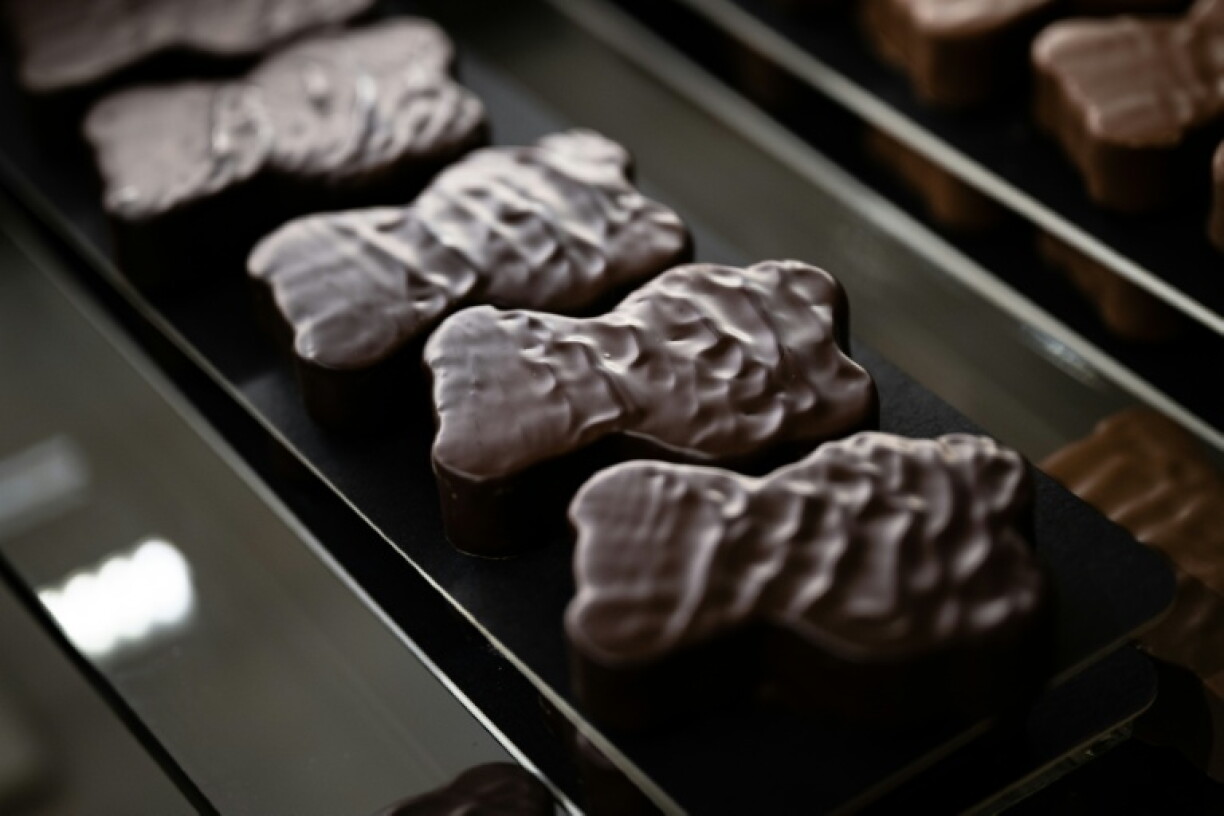
Eclairs, cream puffs and cookies have all been contenders but after a high-end makeover, little chocolate-covered marshmallow bear cubs -- "oursons au chocolat" -- could be France's new macarons as they excite taste buds across the country.
Familiar to French palates since the 1960s, pastry chef Christophe Michalak gave the sweet treats a gourmet twist in the early 2000s.
Since then, with social media and pop-up stores boosting interest and visibility, no chocolatier now seems willing to do without them -- nor do customers.
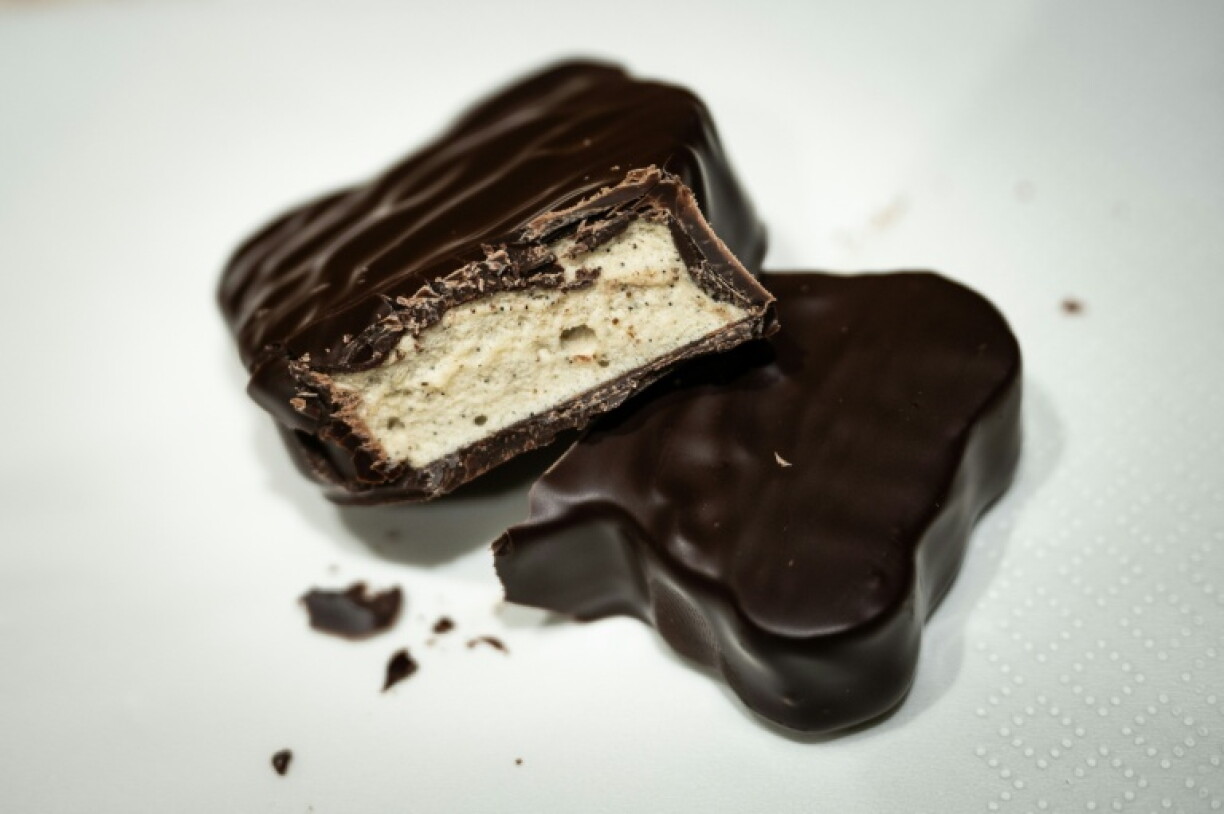
Fillings and coatings range from bitter dark chocolate and marshmallow to passion fruit confit and crisp praline -- the latter coming from chocolatier Caffet, which has trademarked the phrase: "Without doubt the best bear cubs in the world."
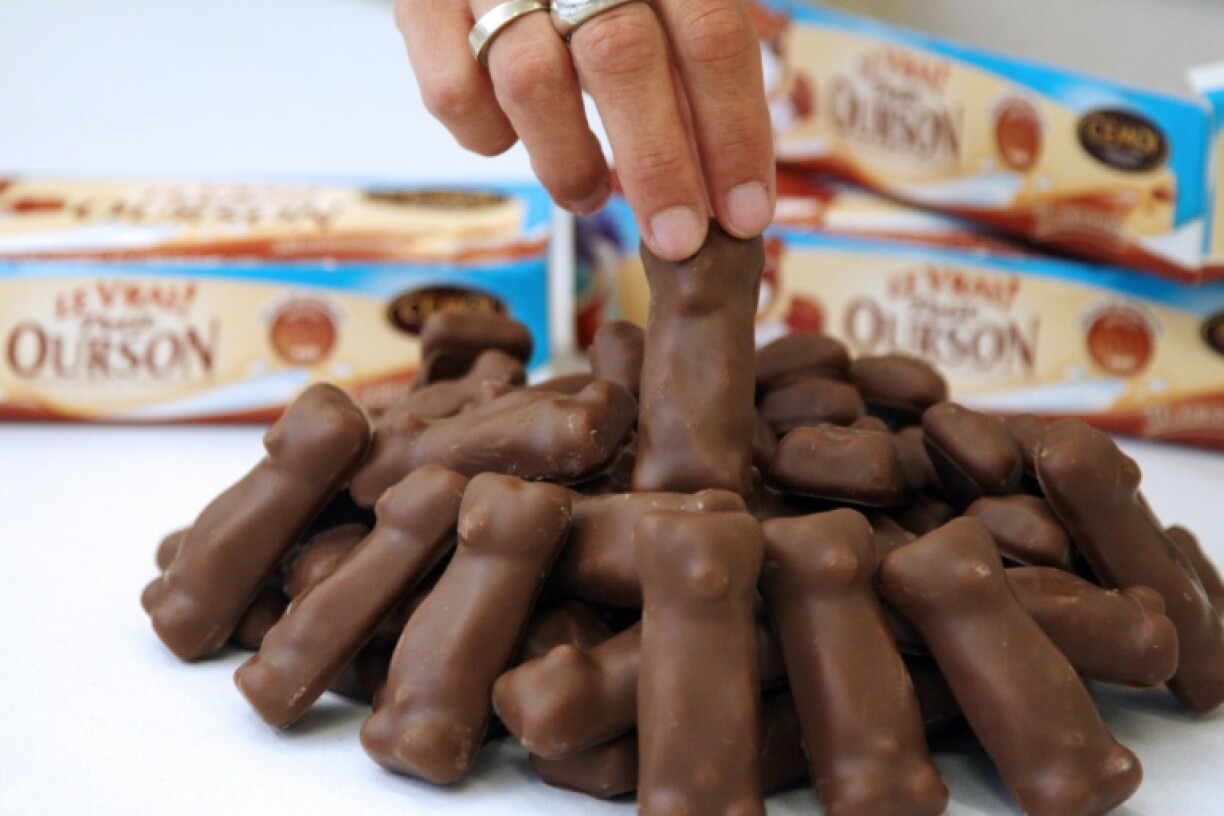
The little bear began its life in a factory back in 1962, produced by confectioner Bouquet d'Or, since bought by Cemoi.
They are still being made in Villeneuve-d’Ascq in northern France, but since their 21st-century makeover, the rate of production has ramped up, according to Cemoi factory boss, Armando Mendes, interviewed by AFP, who prefers not to give any figures.
What might explain the French sweet tooth for the bear cubs?
For Sylvie Douce, creator of the Salon du chocolat and owner of Le Boissier, a specialist in old-fashioned confectionery, their success is rooted in psychology.
"The chocolate-marshmallow teddy has a sort of gustatory comfort-blanket side, "she said.
"Chocolate is the reassuring, hard side, and marshmallow is the soft side," she added.
"With the bear cub there's also a kind of impulse, because you eat it by trying to tear off the head or a foot first, it's thrilling."
Given their generally high-end range of treats, "chocolatiers need entry-level products," said Patrick Morliere, managing director of La Maison du Chocolat.
They launched their bear cub range in September, achieving "incredible sales figures," he said.
Chocolatiers are also eyeing world markets.
For Morliere predicts the US is "only a matter of time". With Asia however, which has less of a sweet tooth "it's more complicated".
Closest national equivalents include Norway's Bamsemums, the Danish flodeboller, Germany's Schokokuss, the Israeli Krembo, and Scotland's Tunnock's Teacake.
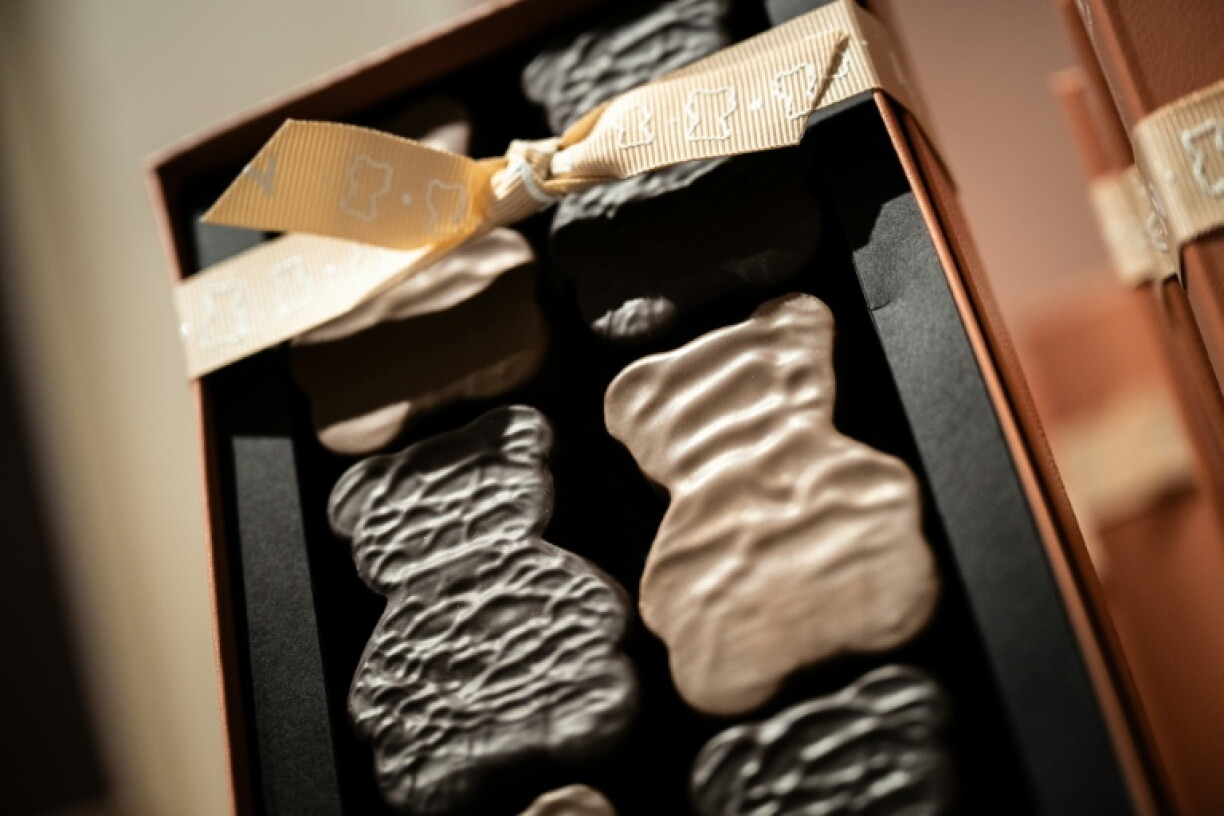
And in promoting it for the world markets they emphasise its versatility: appropriate gifts for Valentine's Day, Easter, Halloween, and enclosed in Advent calendars at Christmas.
For manufacturing, the bear cub's production can be partly automated. Its ingredients are relatively insulated from fluctuations in cocoa prices and have an average shelf life of two months.
All of which represents an appealing profit margin for artisan pastry -- a sector generally expensive to run.
dar-eab/jj/st