Strong wins for Democratic candidates threaten the prospects for energy-guzzling data centers in key US states, potentially slowing the AI rollout that has carried Wall Street forward over the past four years.
The prospect of stricter regulation was weighing on stocks in AI heavyweights such as Elon Musk's SpaceX ahead of the US markets open, after drops for key chipmakers in Asia including Samsung in South Korea.
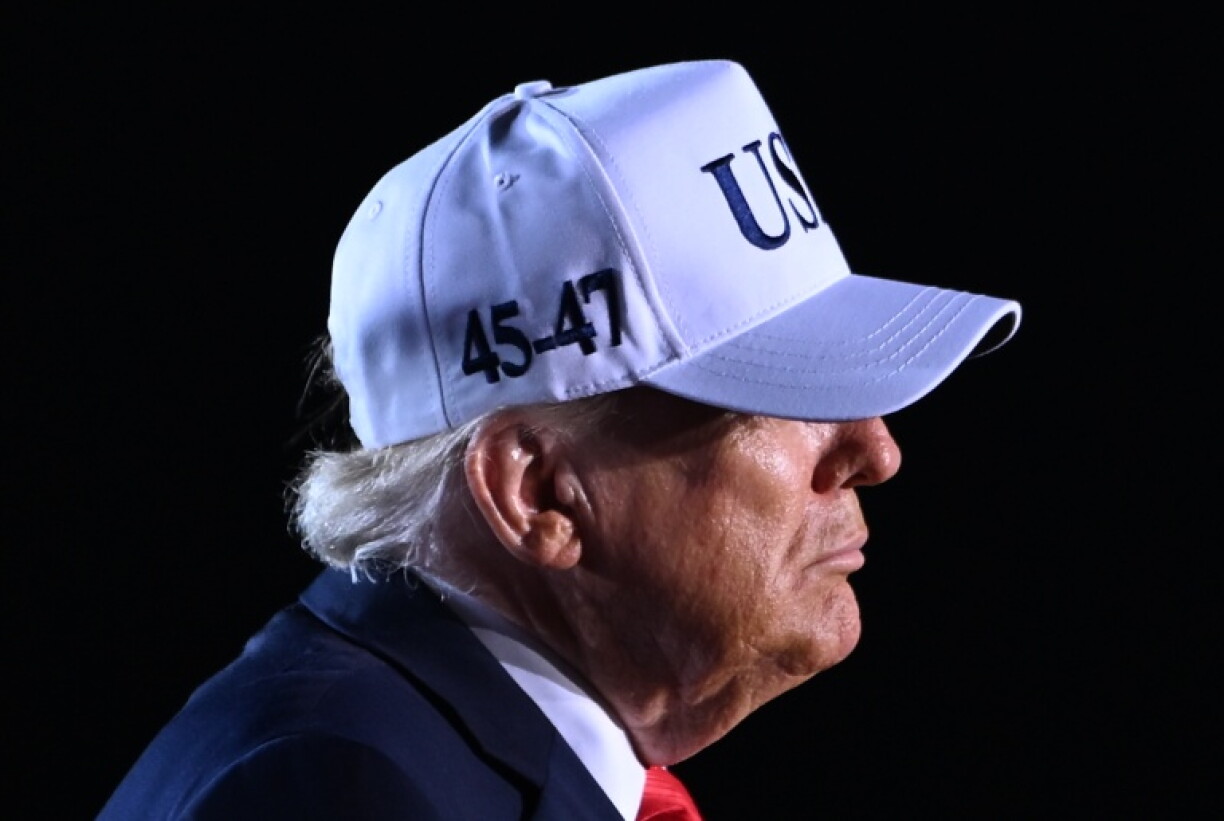
After a campaign marked by growing concerns about the environmental impacts of data centers popping up across the United States, President Donald Trump -- an enthusiastic backer of hands-off regulation for what he calls "super intelligence" -- endured a stinging rebuke of his Republican party.
Democrats gained key strongholds such as Texas, where both the Senate and governorship were won by candidates backing greater data center regulation.
"We need an immediate moratorium on data centers to last until the legislature can meet to put in place real protections so Texans can have a seat at the table to decide if and how data centers come into their communities," Gina Hinojosa, a lawyer who defeated outgoing Texas governor Greg Abbott, said during the campaign.
Abbott had wanted to make the Lone Star state the "nerve center" of artificial intelligence and data center development, but he has since noticeably shifted his stance amid a growing public backlash over energy and water provision.
Data centers notably require substantial amounts of fresh water to help cool servers, raising fears of localized shortages.
Hinojosa has urged an end to tax exemptions granted to the sector, as does fellow Democrat James Talarico, who was elected on Tuesday as a Texas senator.
Analysts had described the outcome in deeply conservative Texas as a crucial test for the future of AI infrastructure.
Thanks to its abundant energy supply and favorable regulatory framework, Texas is expected to account for nearly 30 percent of national demand for electricity dedicated to AI operations by 2028 -- a figure projected to rise sharply, according to calculations by Bloom Energy.
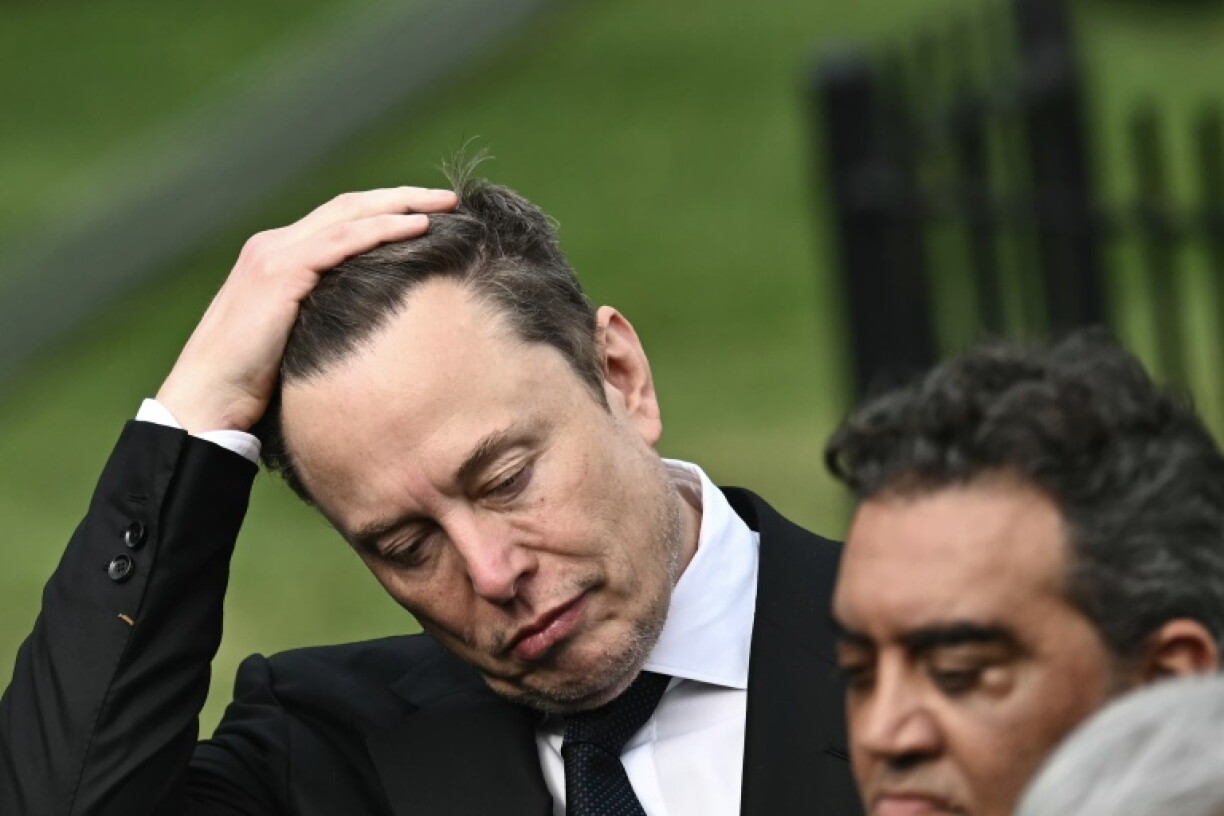
Alphabet, the parent of Google, has announced plans to build several data centers in Texas, and Musk -- who spent hundreds of millions of dollars supporting the Republican camp -- has moved the headquarters of his flagship companies, Tesla, SpaceX and X, to the state.
"Data centers in space looking pretty appealing right now," Musk quipped after the vote, referring to his goal of a satellite computing network.
But investors are increasingly concerned that tougher regulations will make it harder for AI firms to make money off their massive investments.
"Democratic opposition to rapid data-center expansion could focus on power use, environmental constraints, local infrastructure strain, competition policy and the social consequences of AI deployment," said Patrick Munnelly, market strategist at the brokerage Tickmill Group.
"None of this necessarily breaks the long-term AI theme, but it can raise the hurdle rate for investment," he said.
The regulatory impact will be greatest at state level, highlighting the role of governors in responding to voter concerns.
"Given the size of the Democrats' victory, adding Texas governorship, and a 29 to 1 lead to restrict data centers, politicians that want to remain employed as politicians are going to heed these messages" about data center concerns, veteran financial analyst Jim Bianco posted on X.
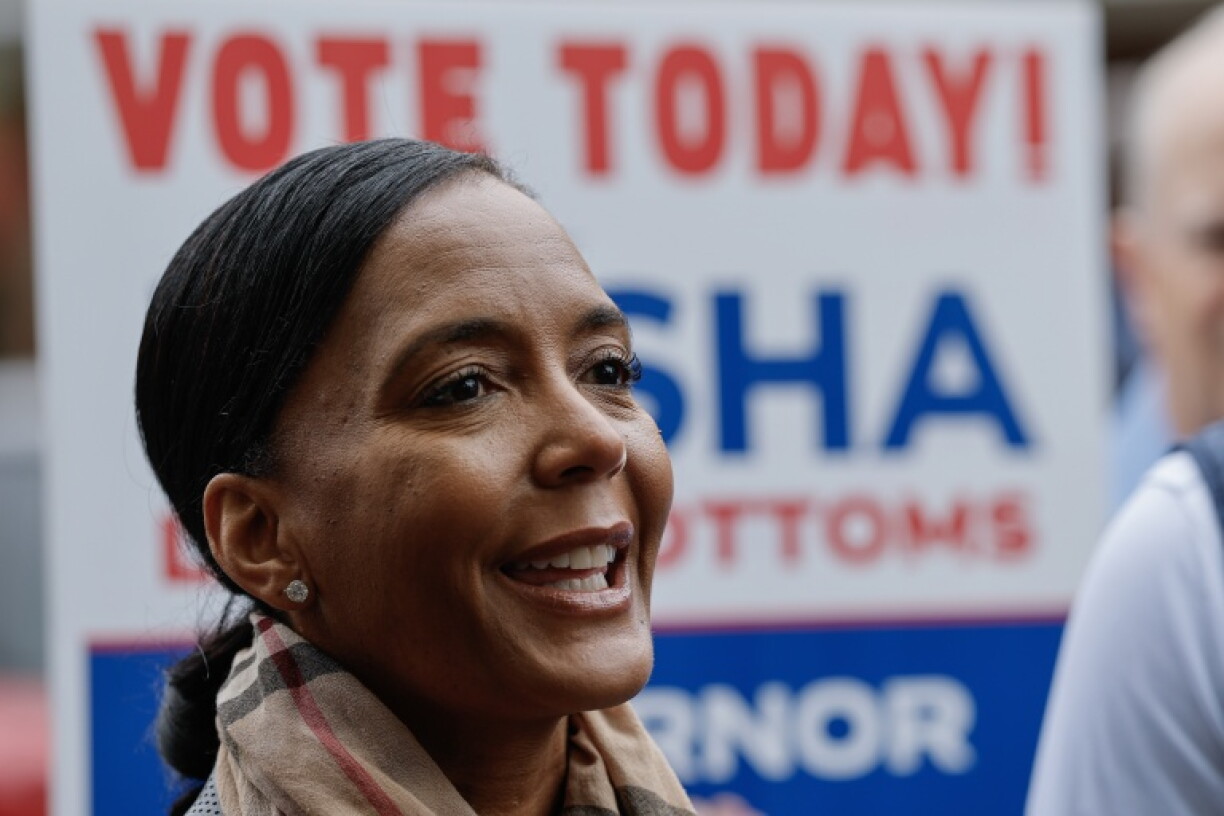
In Georgia, another state with a heavy slate of data center projects, the new Democratic governor Keisha Lance Bottoms "has advocated a temporary statewide pause on new data centers, alongside requirements intended to ensure that large customers bear the costs associated with their infrastructure," noted Stephen Innes at SPI Asset Management.
Amy Acton, elected Democratic governor of Ohio, is also committing to a tougher regulatory framework on the data center buildout.
tmc/myl/cw/js