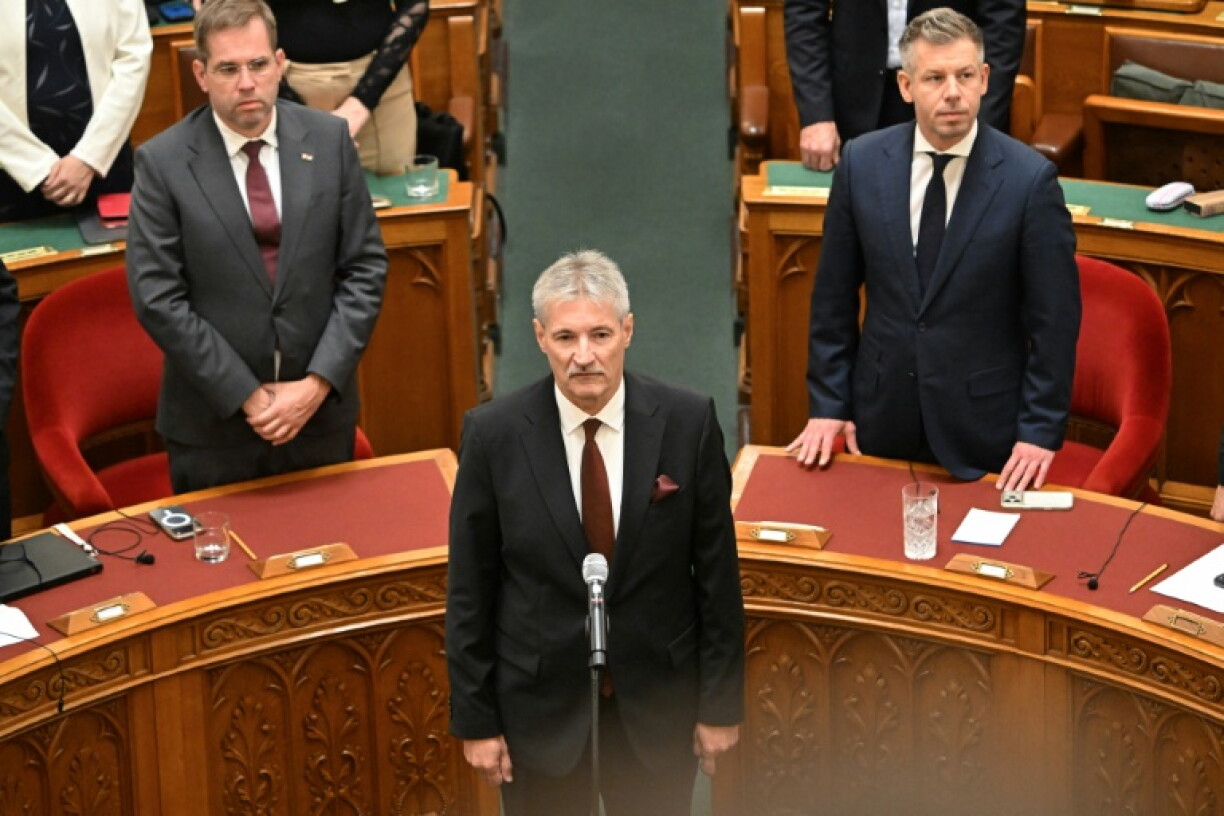
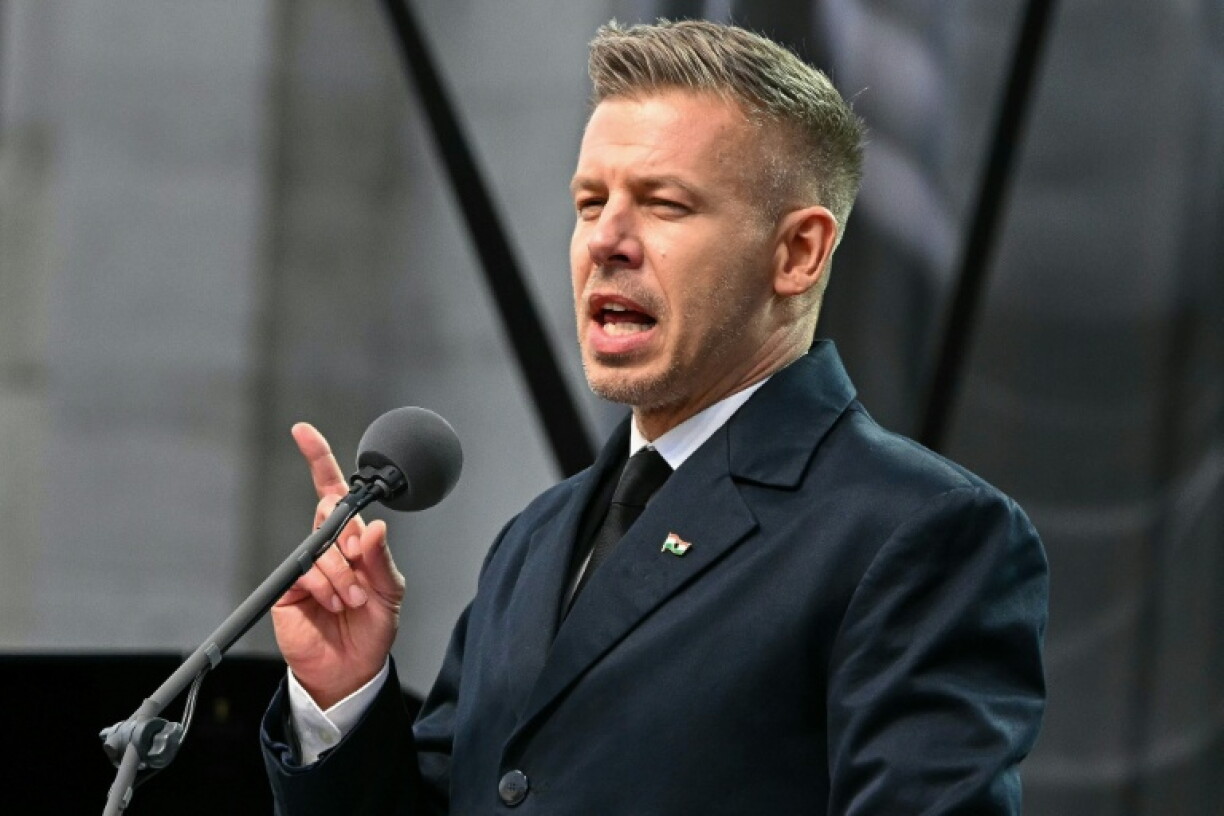
Hungarian lawmakers elected a new prosecutor general on Tuesday as part of Prime Minister Peter Magyar's push to hold nationalist ex-leader Viktor Orban and his allies accountable over alleged corruption.
Parliament confirmed Peter Fejes, a recently retired career prosecutor for the top post, as investigations into high-level graft gather pace in the central European country.
Three ex-ministers are in custody, including a former central bank governor, whom Orban once called his "right-hand" man.
In a secret ballot, Fejes got 139 votes in favour and six against in the 199-member legislature, where Magyar's Tisza party holds more than two-thirds of seats.
Orban's Fidesz party and its ally KDNP boycotted the vote.
"On behalf of all Hungarians, I wish you every success in your work. Tremble, burglars! And all other criminals too," Magyar said on Facebook, shortly after Fejes took an oath of office in parliament for the nine-year term.
Public confidence in prosecutors eroded under Orban's 16-year rule, as critics accused the highly centralised institution of shielding the premier's inner circle from scrutiny.
Fejes, 65, has said that he wants to regain lost trust in the prosecutor's office, including by placing the emphasis of legal work on "being free from politics".
In parliament after his election, Fejes apologised for "certain decisions taken by the Public Prosecutor's Office in recent times –- or its failure to act -– which have justifiably and reasonably offended the public's sense of justice".
Last month, parliament rejected President Andras Baka's first nominee for prosecutor-general after reports revealed that his brother was linked to the so-called "golden convoy" case.
Ahead of a parliamentary election in April -- which Orban lost to Magyar -- Hungarian security forces stopped vehicles for a Ukrainian state-owned bank transiting the country.
They detained seven employees and seized millions of dollars, euros and gold bars.
Hungary's tax authority said it had acted in a money-laundering probe, but the detainees were quickly released, the assets returned. The original case was eventually closed.
A separate inquiry was opened into alleged rights violations during the operation.
In June, the lead prosecutor investigating that case, Pal Furcht, stepped down, later alleging his superiors had obstructed his probe and that evidence pointed to Orban ordering the operation.
Lawyer Lorant Horvath, who represents both Furcht and the detained bank employees, said he hoped Fejes would look into the matter.
"Our biggest concern is that the prosecutor-general's office played an active role" in the operation, he told AFP.
Former top prosecutor Gabor Balint Nagy resigned in July after facing pressure from Magyar, who has promised "regime change" and pushed to get rid of top officials appointed under Orban.
Other investigations have gained momentum since Orban lost power.
Ex-central bank governor Gyorgy Matolcsy, a former economy minister, was arrested last month over "economic fraud causing particularly significant financial loss", and an international arrest warrant was issued against his son, Adam, a suspected accomplice.
Two other former ministers have been in custody since September over alleged graft, thought to have caused millions of dollars of losses in public funds.
Orban denounced the latter two probes as "politically motivated" actions aimed at imprisoning him and destroying his party.
Prosecutors have so far touched "only the bare minimum", lawyer Horvath said.
The country's new top anti-graft official, Anna Unger, has warned that securing convictions could take years.
A government website lists over 60 cases referred to investigators, involving billions of euros in taxpayers' money, with fresh cases added regularly.
ros/jza/tw