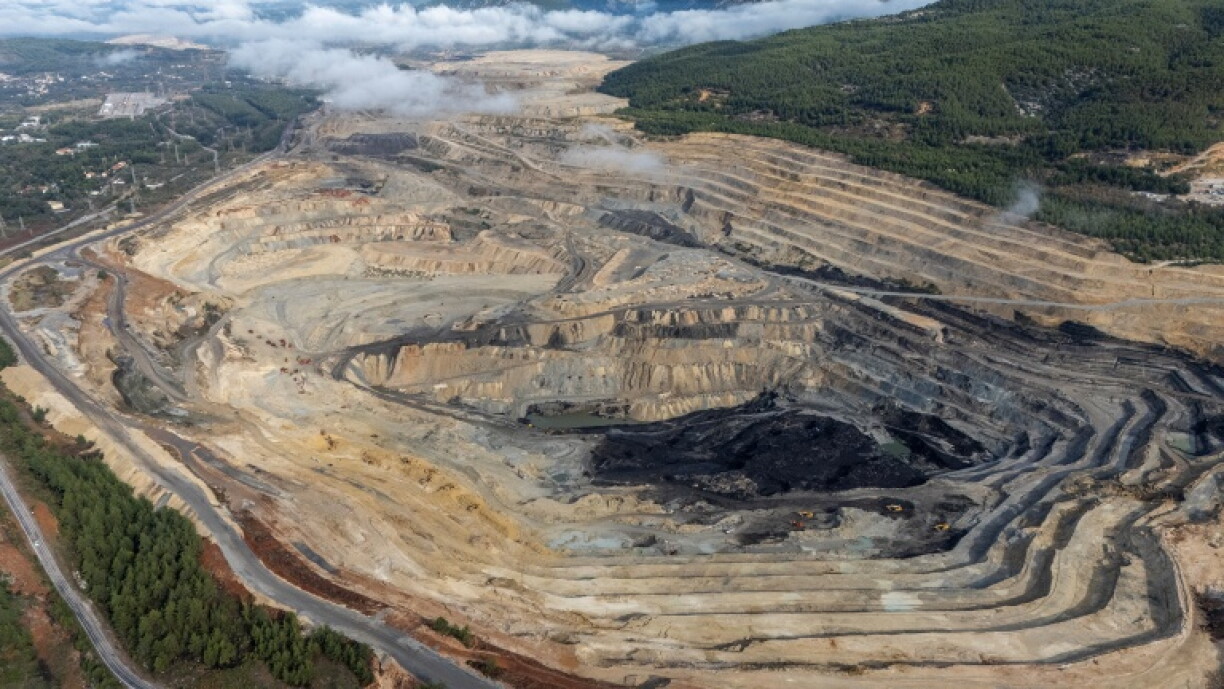
Near her village in southwestern Turkey, Nejla Isik walks through what remains of the devastated Akbelen forest, pausing to stare down at the coal mine that is devouring the hillside.
"We call it the pit of hell," muses the 48-year-old activist and local leader of Ikizkoy village, which has 70 homes.
When COP31 begins Monday in Antalya, summit host Turkey is hoping to show off its best side with a campaign focused on renewable energies and electrification.
But those who want to draw attention to a different side of the story are not welcome.
For nearly a decade, Isik and her daughter Esra, 26, have thrown themselves into protesting against the mining projects slowly ravaging Mugla province, which lies several hundred kilometres west of Antalya.
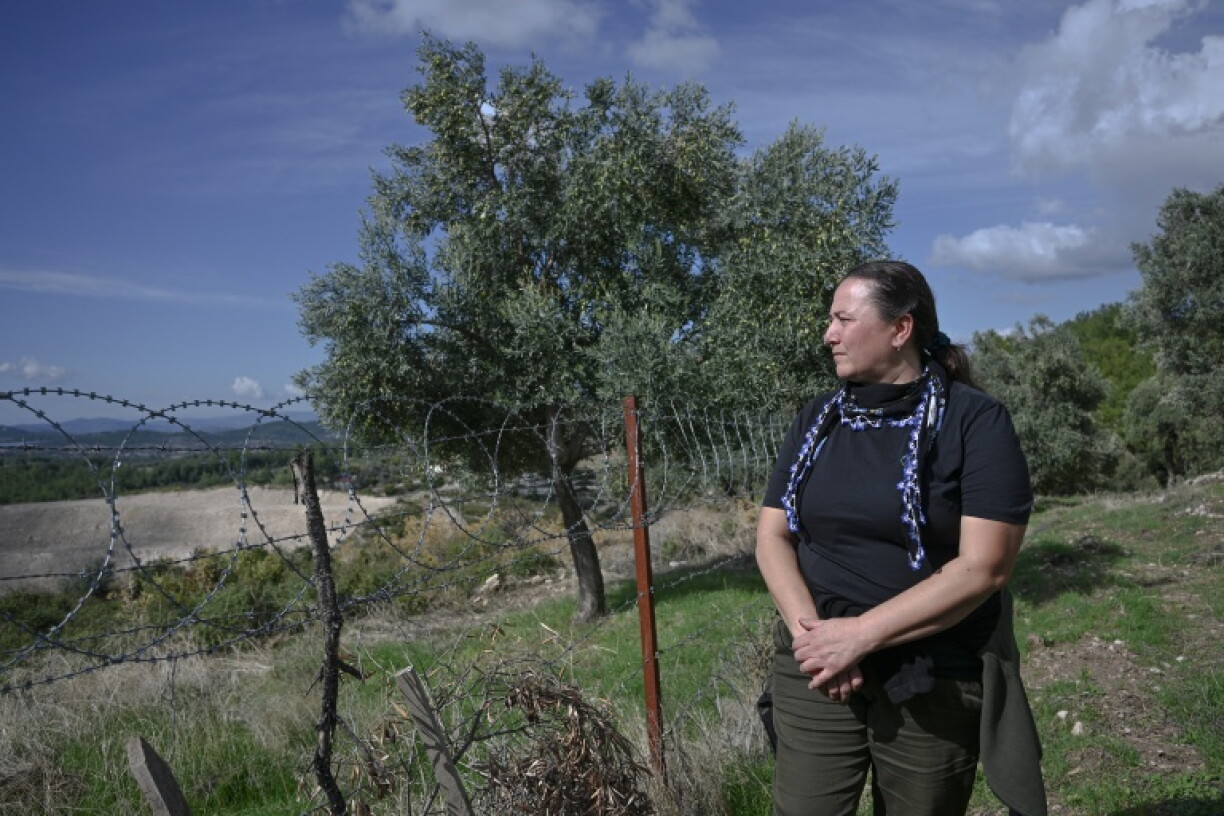
Together they have been leading the fight against YK Enerji, which wants to expand its lignite mine and increase the production capacity of its two thermal power plants, which run on the highly polluting brown coal.
Several lawsuits have been filed against the firm, which owns the mine and the plant next to their village.
Others have targeted the Turkish presidency over a decree ordering the emergency expropriation of 679 plots of land, signed by President Recep Tayyip Erdogan in January.
"My grandmother's village was wiped off the map because of the mine. My father's village was destroyed. We are a family that has been uprooted for three or four generations and our land plundered," explains Esra, dressed in baggy trousers and a traditional red waistcoat.
Their activism has not gone unnoticed.
On March 31, Esra was arrested while protesting against a visit by officials in the context of an emergency expropriation decision affecting six villages.
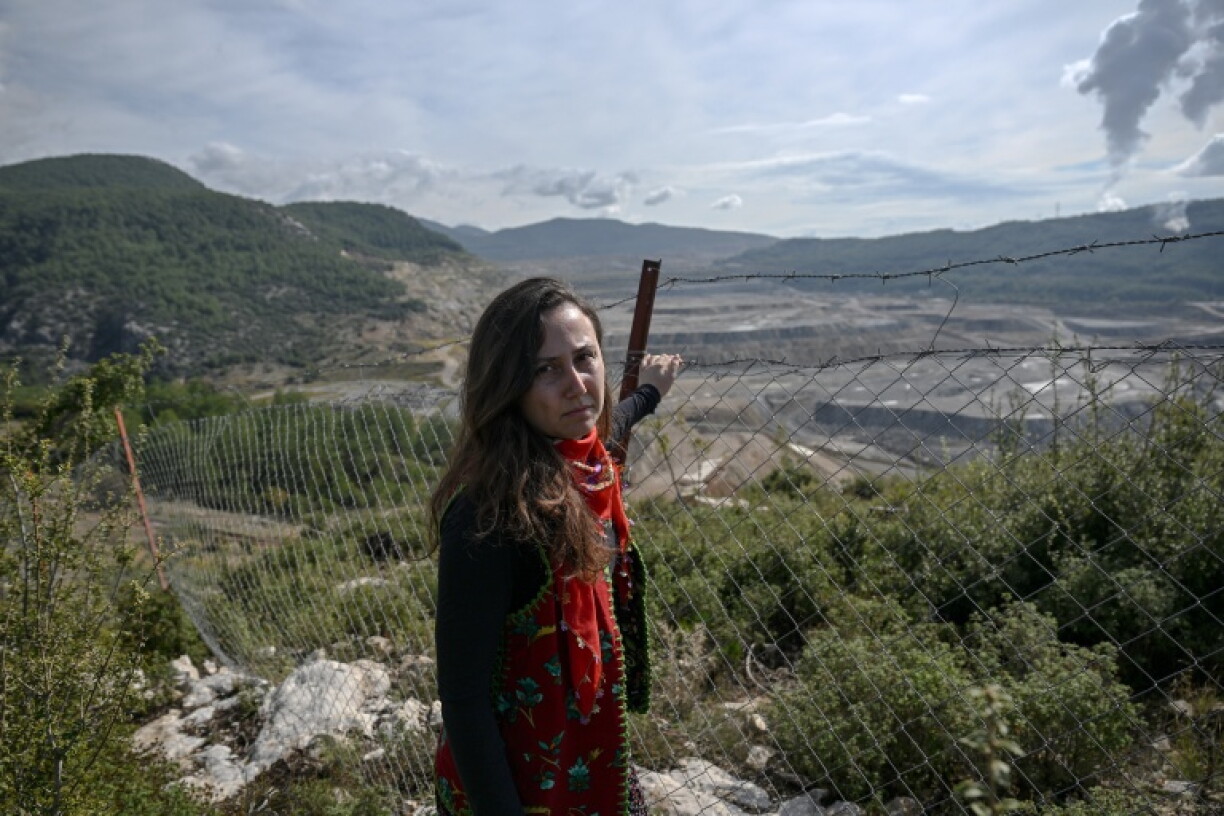
Charged with "obstructing an official carrying out their duty" she was jailed pending trial.
"I spent 42 days in jail. My arrest gave a new dimension to our struggle in Turkey, but also around the world," she told AFP.
They are not the only ones fighting, with locals regularly meeting to discuss what comes next.
Among them is 56-year-old housewife Aytac Yakar who was forced to flee her home village of Isikdere when it was swallowed up by a mine in 2018.
She settled in another place, which is now facing the same fate.
"Do I look like a migratory bird?" she says angrily.
"They cannot play around with my home, my lands and my country. If I have to, I'll douse myself with petrol and set myself alight in my own home. But I won't leave it!"
As the world descends on Antalya where scientists, experts and heads of state will gather to discuss global warming and how to slow it, thousands of activists will also be present to raise their voices.
But Nejla and Esra won't be there -- because they have to stay to protect their lands.
"I can't leave my village. The court rejected our appeal against the expropriations and we don't know what the company will do now," explains Nejla.
"I won't go to COP where we already know they won’t listen to us, while my village here is burning," she said.
Under a law passed in 2025, Turkey has rapidly expanded the number of mining permits, opening up protected areas for exploitation, including olive-growing land.
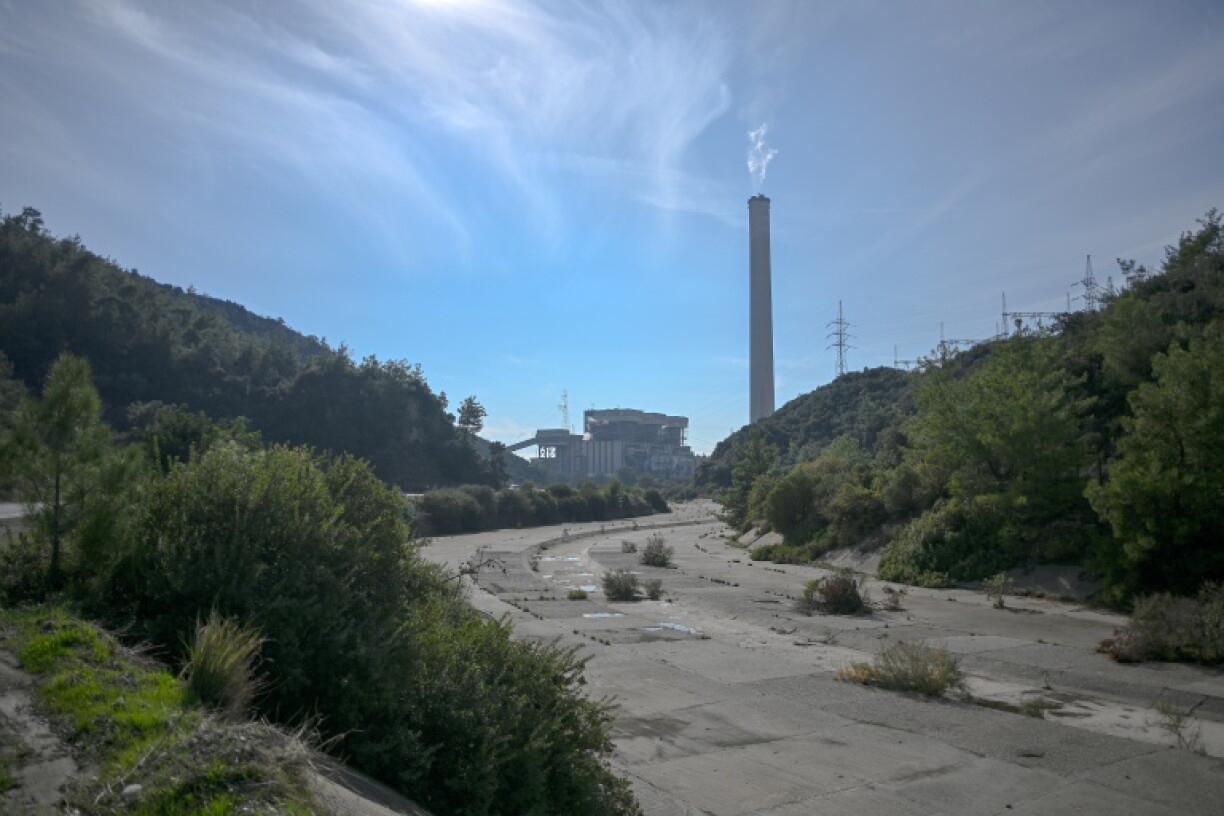
"Our homes, the graves of our loved ones, our olive trees, our lands -- it all risks being torn from our hands," says Nejla Isik, pointing to the area on a map.
Not all villagers oppose the mine, notably those who work with YK Enerji which says it supplies energy to more than two million households per day.
"The thermal power plant creates jobs for 70 percent of my village," explains one worker, who did not want to give his name.
Speaking to AFP, YK Enerji defended the project by pointing to Turkey's energy security needs.
"For energy production to continue, we must gain access to new deposits. As the amount of coal extracted from the current sites falls, efforts to secure new reserves are important," Ahmet Eyidogan, YK Enerji's general manager told AFP.
The land would be restored by replanting suitable species and "village centres, mosques, schools and graves" would be spared, he said, indicating land owners would be offered "alternative" plots further away.
YK Enerji -- which is jointly owned by Limak Holding and IC Holding, both of which are official "climate supporters" of COP31 -- supports Turkey’s "carbon neutrality target," he said.
While "investments in renewable energy are essential", Turkey's energy transition "must be carried out in a planned and gradual manner," he stressed.
cem/hmw/pdw