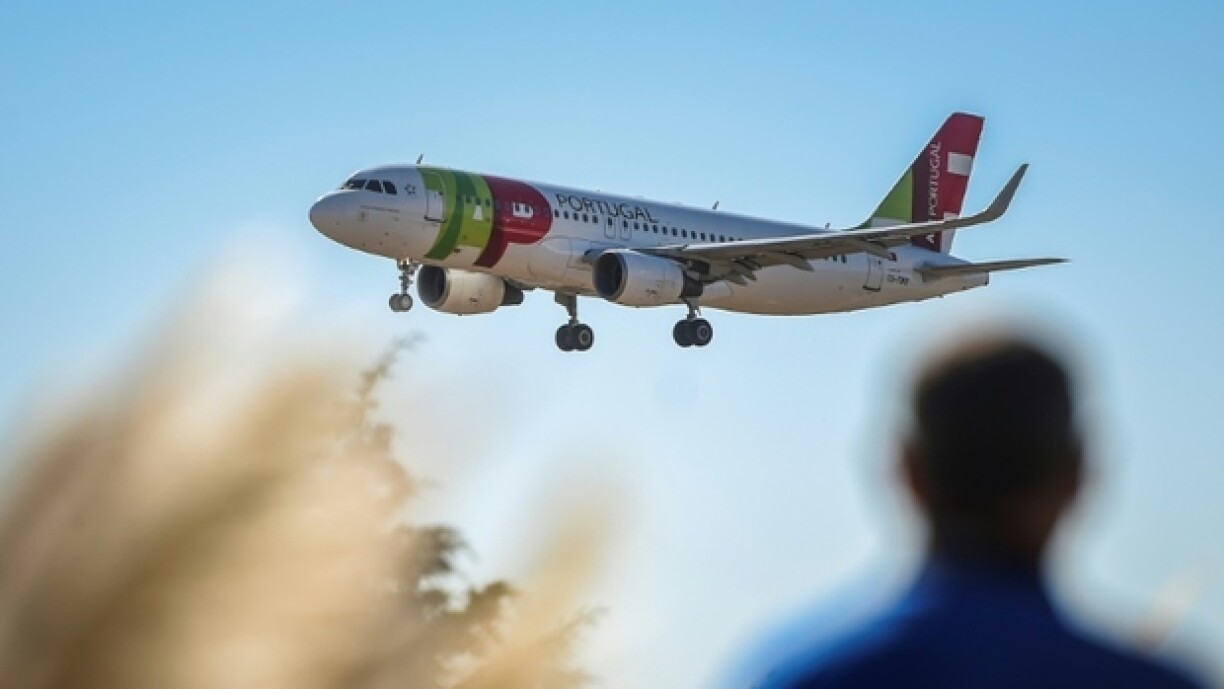
An Airbus A320neo operated by TAP Air Portugal came within 30 seconds of crashing approximately 30 kilometres west of Prague on 17 January, after descending significantly below its assigned safe altitude and approaching within 300 metres of the ground.
The aircraft was on approach to Václav Havel Airport Prague shortly before noon when it passed just above Křivoklát Castle at a speed of 590 kilometres per hour. According to preliminary findings, the plane was only 300 metres above the ground when the crew responded to a cockpit warning signal and initiated a steep climb, narrowly averting disaster. Aviation authorities have described the incident as one of the most serious in the region over the past decade.
"The radar systems detected a deviation from the assigned flight altitude of 4,000 feet (1,290 metres) above the ground. The crew responded to instructions from air traffic control," said a flight inspector and deputy director of the Czech Air Accidents Investigation Institute. "We are investigating this situation as a serious incident", he added. TAP has indicated it is cooperating fully with the Czech authorities.
Weather conditions at the time were poor, with thick fog and low clouds reducing visibility. After the climb, the aircraft adjusted its trajectory, reduced speed, and proceeded to land safely at Prague airport. No injuries were reported, though several passengers noted a "sharp but controlled" ascent during the final phase of the approach.
"The reasons for this situation are unclear. The aircraft was flying at high speed and had been descending for some time. If the crew had levelled off at 4,000 feet (1,290 metres) above the ground, they could have stabilised the aircraft and landed without any problem. Descending below the minimum altitude of 3,600 feet (1,097 metres) is a serious breach of regulations and common sense", said pilot and university professor Jiří Hořínka in a statement to the transport portal zdopravy.
While no official cause has been confirmed, experts have suggested the possibility of incorrect autopilot usage. Such incidents fall under the category known as "controlled flight into terrain" (CFIT), in which an aircraft, under crew control, inadvertently flies into the ground or an obstacle due to a lack of situational awareness.
Following the manoeuvre, the aircraft was realigned for a new approach and landed without further issue. The investigation remains ongoing.