The prices of oil and gold both seen a large increase. Currency values are still largely stable, despite a slight tendency for the US dollar to strengthen compared to other currencies. Today will most likely not be the best day for stock markets either, as Asian stock markets are already down 1.5%. "Similar losses can soon be expected in Europe, while, as of now, US stock markets appear to drop less", explains the financial expert.
The Japanese Nikkei index is also down 1.49 per cent.
A close-up look reveals that banks, such as the Japanese investment bank Nomura, which is already down 7%, are set to incur significant losses.
Conversely, Mitsubishi Heavy Industries, which operates in the defence sector, gained almost 3%. Meanwhile, HSBC stocks in Hong Kong are down 3%, while China's national oil company CNOOC increased by 3.5%. "These trends reveal indications about what can be expected in Europe", Claude Arend predicts that oil majors, such as Shell or TotalEnergies, will be in high demand, as well as Rheinmetall and BAE Systems.
In Asia, this trend starts in New Zealand, followed by Australia, before extending to major financial hubs. "In practice, this means that there is first a lack of liquidity followed by volatile prices, before the situation stabilises again at a later stage." It goes without saying that oil prices will continue to rise throughout Monday morning. The current price of Brent oil futures is almost 76 US dollars, which represents an increase of almost 5%. The WTI also rose by 5.4%.
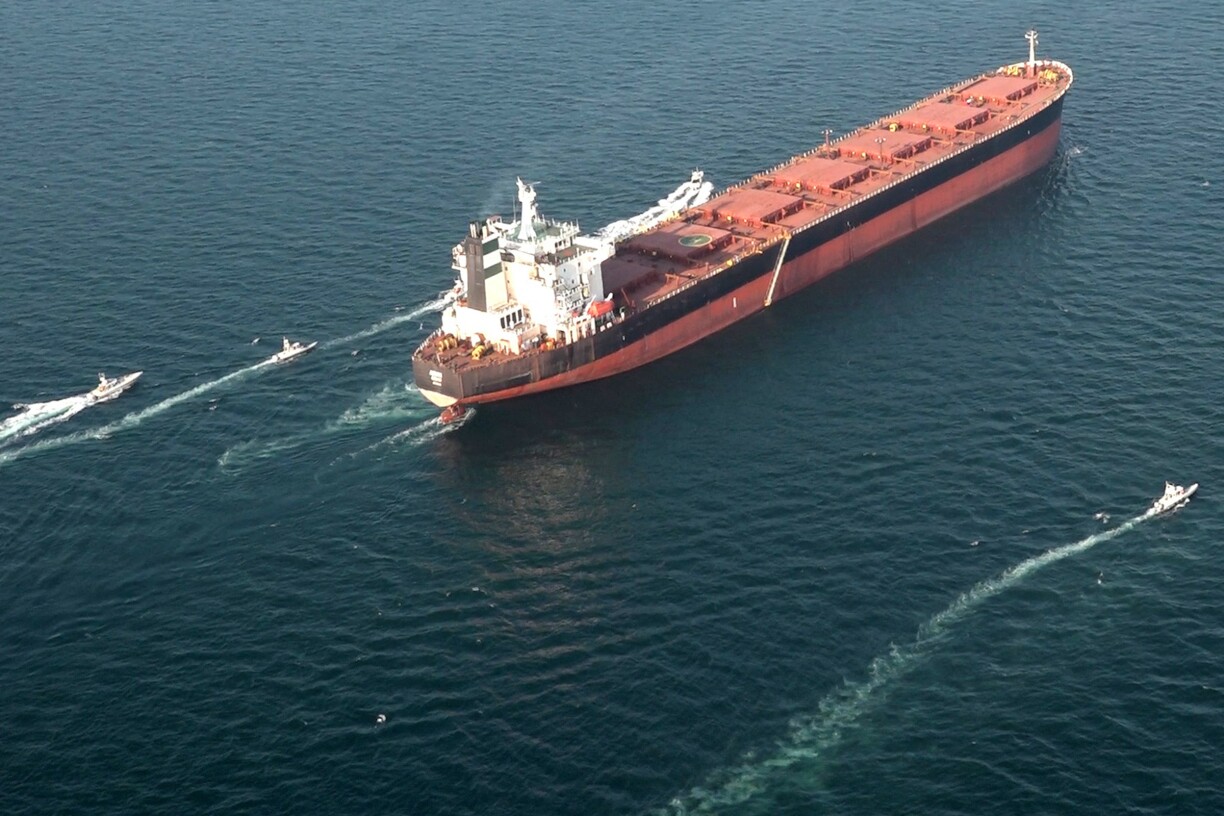
Approximately, 20% of global oil demand is shipped through the Strait of Hormuz, where it flows from the Persian Gulf into the Gulf of Oman, past the tip of the United Arab Emirates and the Iranian coast. The majority of Iranian oil, as well as LNG from Qatar and a significant part of Saudi-Arabian oil pass through this strait.
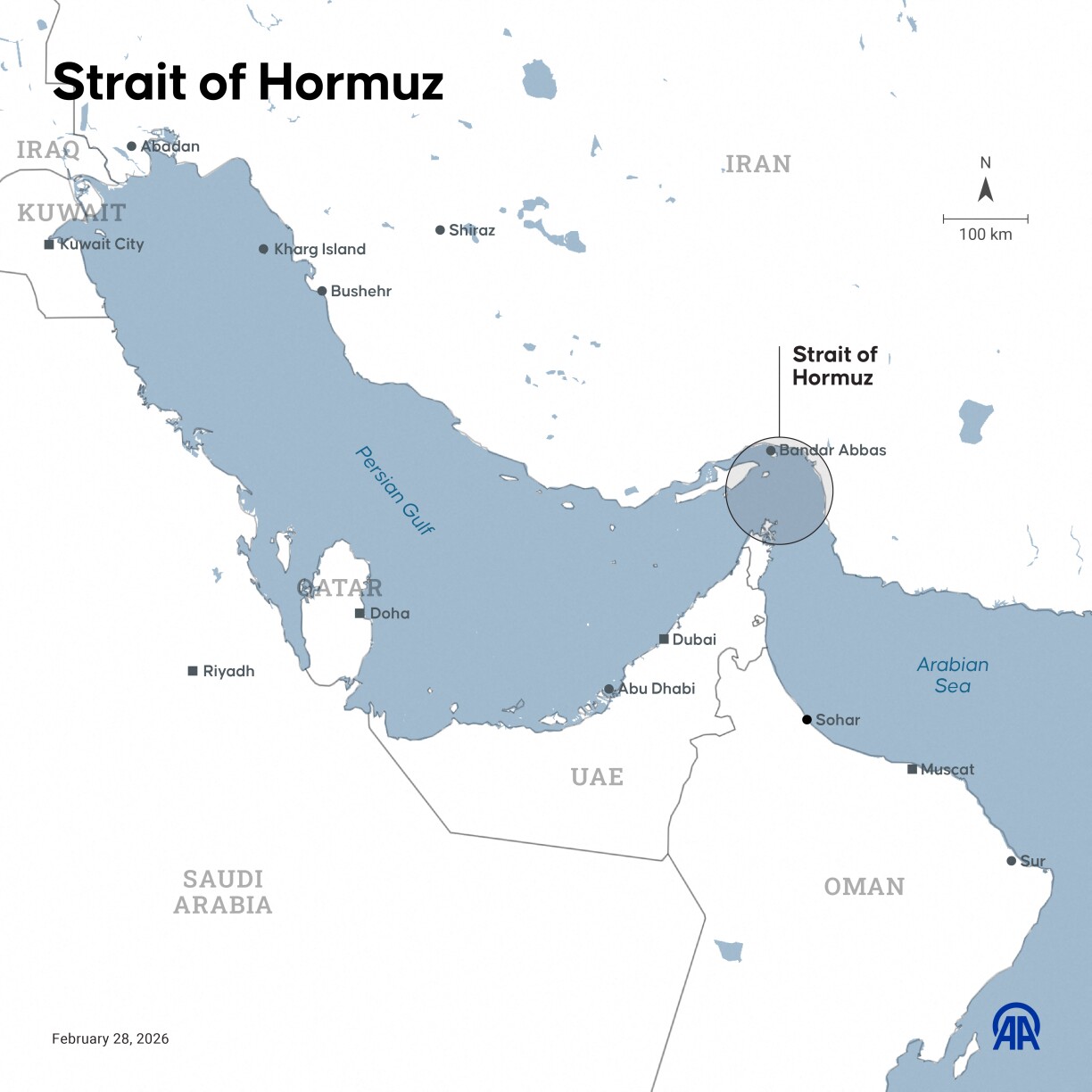
The question of how long oil shipments through the strait will be slowed down or stopped entirely is not only relevant for oil prices. If the length of this war is similar to last year's twelve-day war in June, the situation is less critical since there are various alternative routes to ship oil while avoiding the blocked strait. Firstly, strategic oil reserves are filled up everywhere. China, for instance, claims to have stocked up to two billion barrels, while the US claims to have stocked 425 million. The UAE estimates that about 248 million barrels are currently on board tankers stationed at harbours of the big markets in Asia. Hence, the duration of the war will ultimately determine oil prices.