
Turkey's second-largest lake has become a stark symbol of a growing water crisis, with drought and intensive groundwater use threatening an ecosystem that supports wildlife, industry and tourism.
Known for its stunning natural beauty, Tuz Golu -- Turkish for Salt Lake -- is a shallow lake that stretches across the heart of central Anatolia about 150 kilometres (100 miles) south of Ankara, the capital.
One of the world's most saline lakes, Tuz Golu is an ecologically significant area that is Turkey’s most important breeding site for flamingos and one of the region's key nesting grounds.
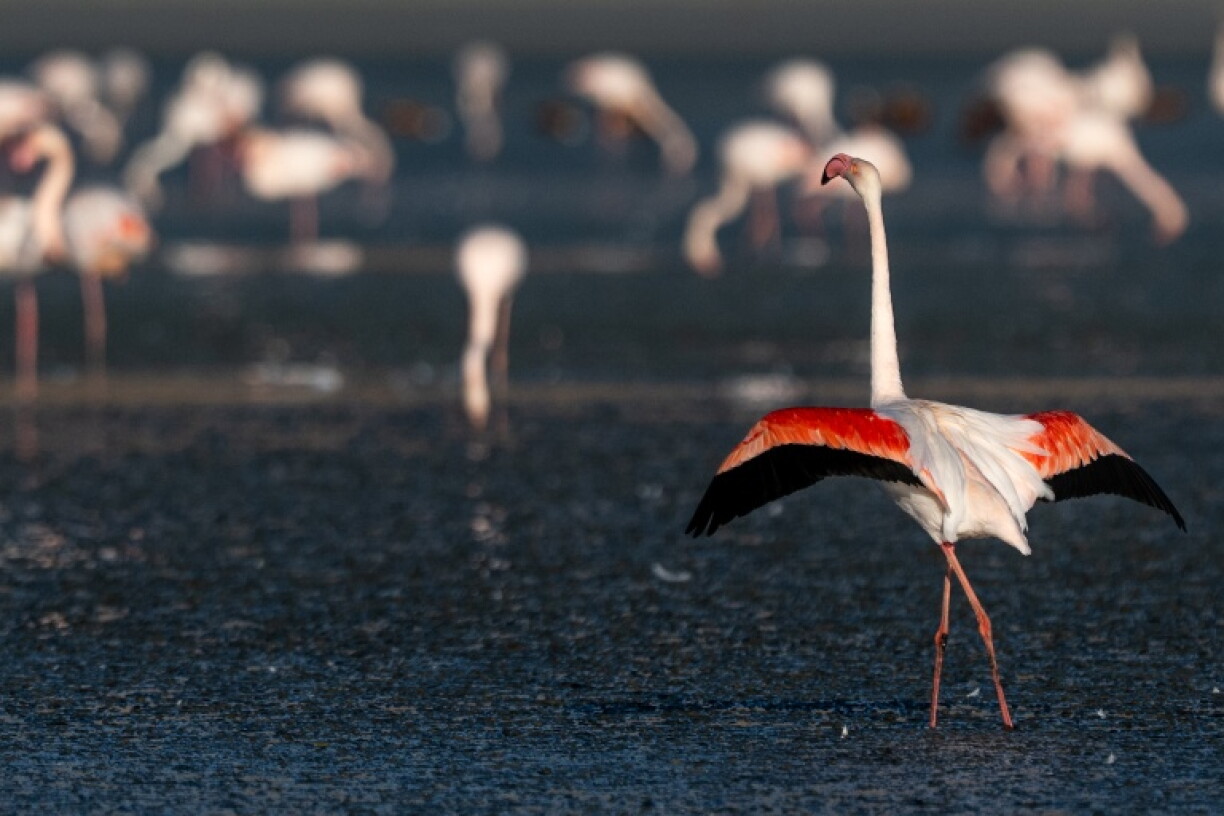
At sunset, hundreds of flamingos feed in the lake’s waters, their pink and red wings creating striking images against the vast salt flats.
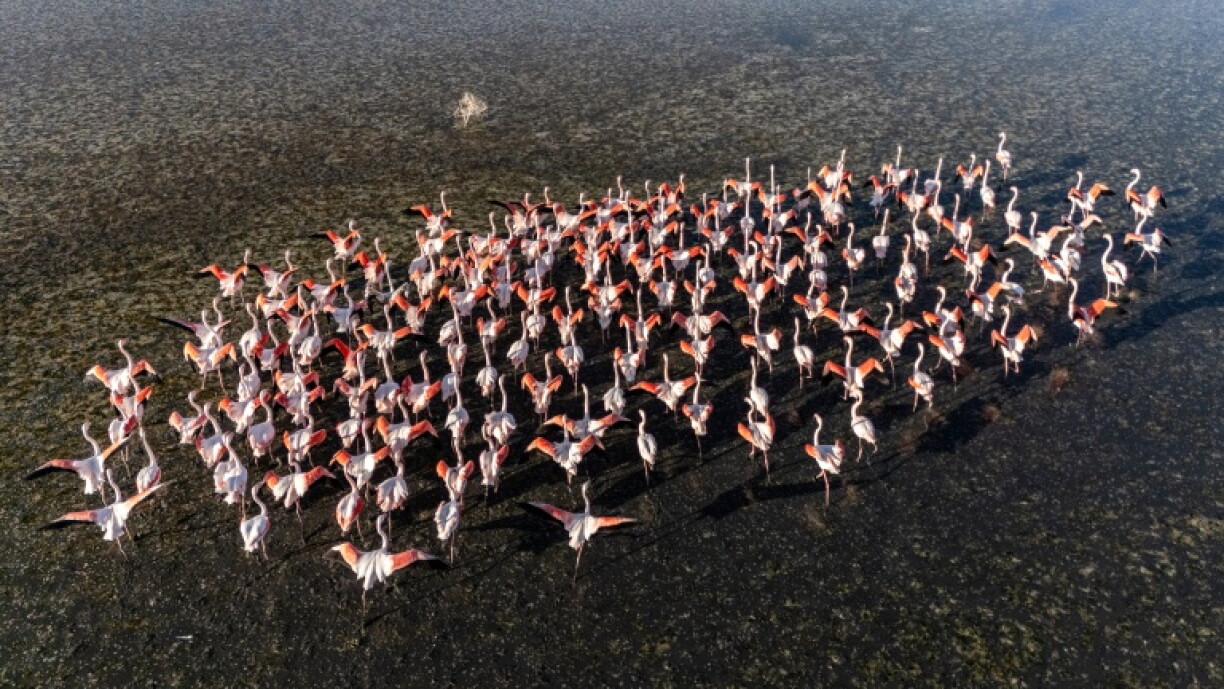
This stark and beautiful landscape draws tourists from across Turkey and beyond, who amble through its shallow waters taking photos of their reflections on the mirror-like surface as the light dwindles.
But the lake is under threat from a growing water crisis.
With a depth of barely 50 centimetres (20 inches), Tuz Golu is located in one of Turkey's most water-stressed regions which has very low annual rainfall. It almost completely dried up in the summer.
Five years ago, water shortages that intensified the salinity of the lake meant there was not sufficient water for the young flamingos and around 1,000 died, Turkey's agriculture ministry said.
The water crisis is compounded by intensive groundwater use for agriculture in the Konya basin which has increased the lake’s vulnerability to drought.
Two years ago, researchers from Ankara's Middle East Technical University found only three percent of precipitation falling across the basin actually reaches the lake.
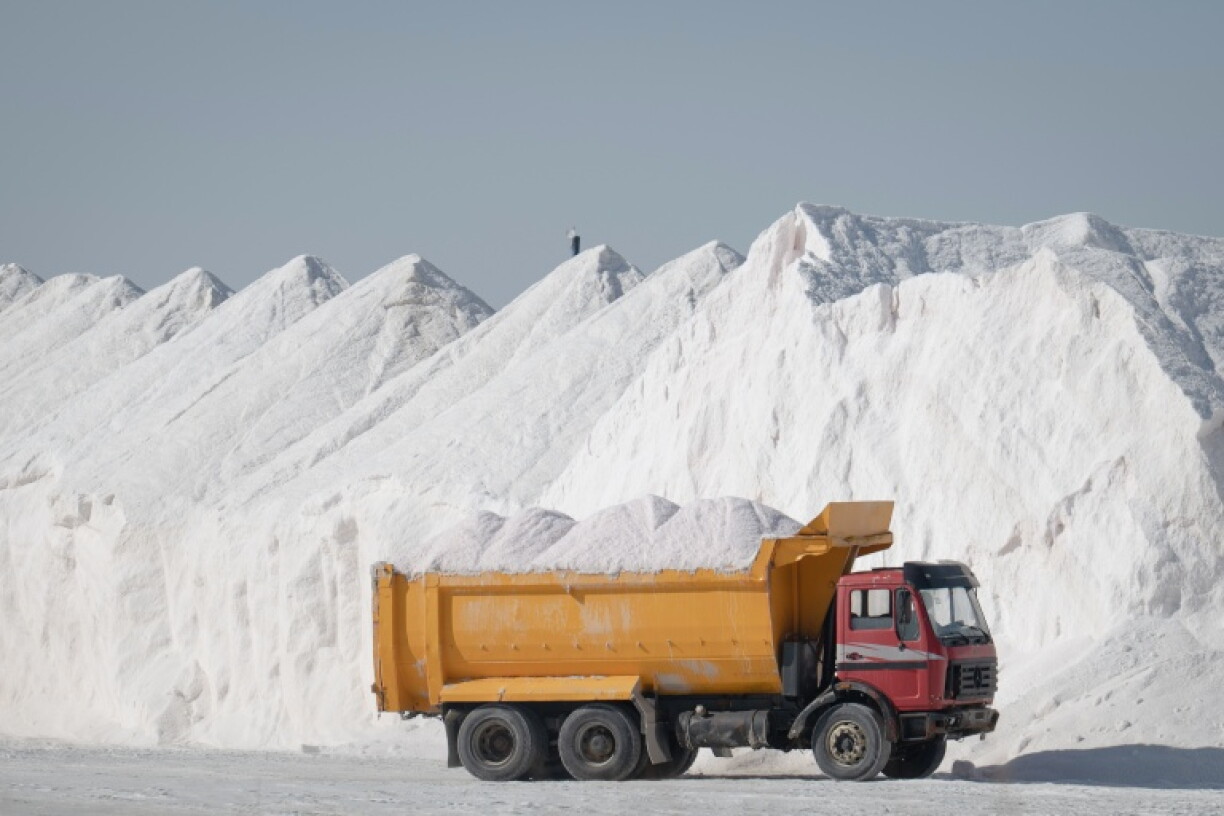
The lake is also Turkey's main source of salt, supplying around two-thirds of its annual production and providing an important source of local employment.
Elsewhere along the lake's shores, heavy machinery lumbers across the flats harvesting salt that is taken to facilities to be processed, refined and shipped to buyers at home and abroad.
ok-hmw/tw