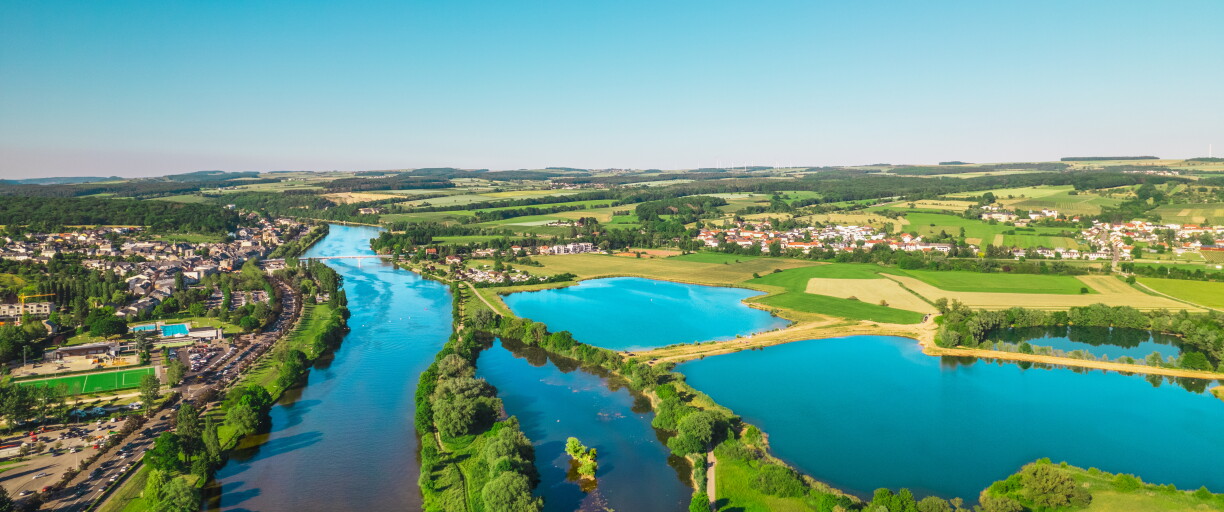
The German-Luxembourgish condominium is a shared territory taking in the border waterways between Germany and Luxembourg (the Moselle, the Sauer and the Our) and the bridges that cross them.
In plainer terms, it amounts to joint sovereignty. The rivers and their islands belong to both countries at once, and are not carved up by a traditional median line. This unusual status goes back to the Congress of Vienna in 1815.
The condominium was formally established on 9 June 1815 by Article 25 of the Final Act of the Congress of Vienna. The great powers of the day wanted to create a buffer zone to hold France in check. The former Duchy of Luxembourg was accordingly raised to the status of a Grand Duchy.
To make up for territorial losses elsewhere, Prussia annexed the entire part of Luxembourg situated east of the Our, Sauer and Moselle rivers, corresponding to the Eifel region.
Rather than draw a conventional border line straight down the middle of the water, the diplomats settled on a river-based compromise. They decided that the three border rivers would belong jointly to the two states.
This very particular status was definitively confirmed and clarified the following year by the border treaties of Aachen of 26 June 1816 and 7 October 1816. Those treaties were signed between the Kingdom of the Netherlands, which then ruled Luxembourg, and the Kingdom of Prussia.
Luxembourg gradually broke away from the Netherlands over the course of the 19th century to become fully independent. Prussia, for its part, was folded into the German Empire in 1871, transferring its rights to modern-day Germany. The current border between the two countries dates from that year and follows the line drawn up at the Congress of Vienna.
For more than 160 years, the legal status of the bridges spanning these rivers remained unclear. But following the canalisation of the Moselle between 1958 and 1964, the matter of clarifying borders became urgent.
Negotiations, which began in 1979, ultimately concluded on 19 December 1984 with the signing of a border treaty between the two countries. That text explicitly states that the bridges and footbridges built over the rivers also form part of the shared territory.
Day to day, the management of the shared territory rests on the principle of concurrent, though not exclusive, jurisdiction. German and Luxembourgish laws apply at the same time, and specific bilateral agreements are in place to head off any legal conflicts.
On the water and on the bridges within the shared territory, the law enforcement agencies of both countries have the same right to intervene:
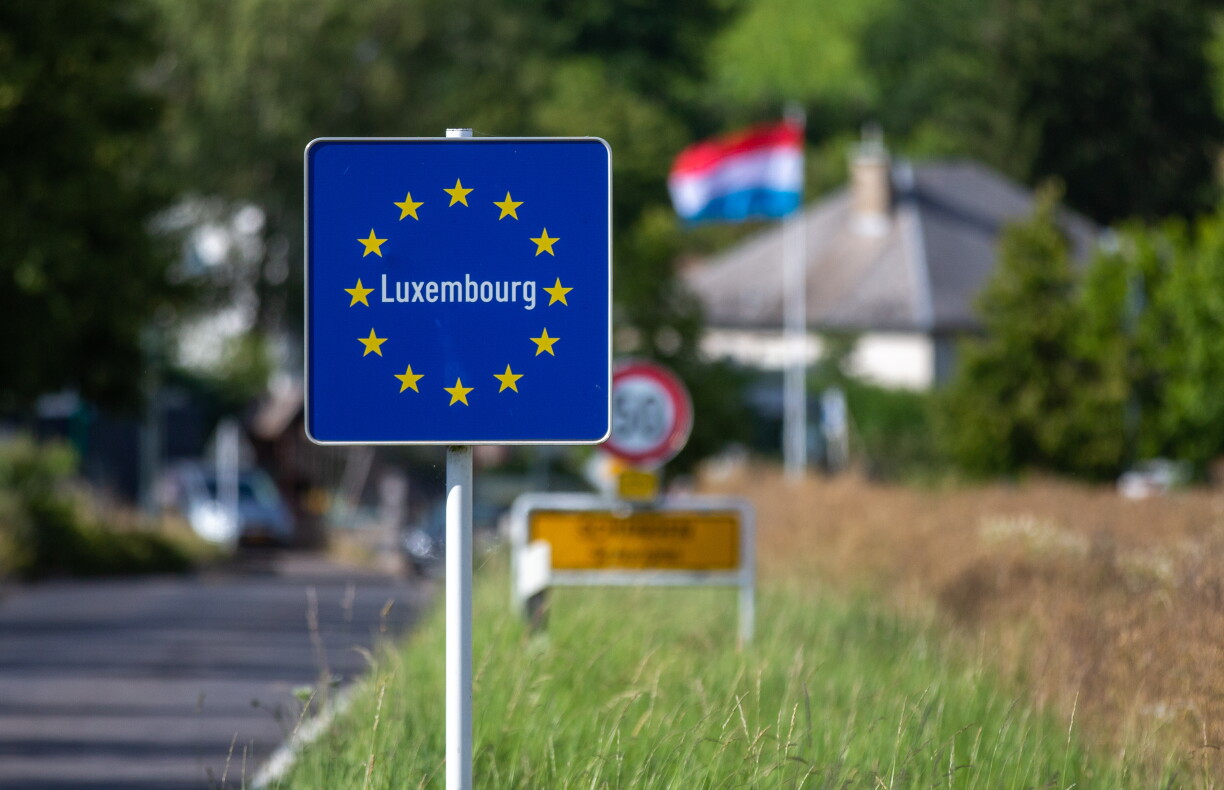
Legal proceedings then depend chiefly on the nationality or place of residence of the individuals involved.
A quietly remarkable border story, unfolding within sight of Schengen, the very symbol of Europe's open frontiers.





