In the small village of Belgium, nestled along Lake Michigan in the US state of Wisconsin, the question of how to make the best Träipen, a traditional blood sausage, is still hotly debated.
This weekend, the community of around 2,500 residents is once again embracing its unique heritage at Luxembourg Fest, where traditional dishes like Kniddelen, Mettwurscht, and Träipen are proudly served alongside US-American classics. Organised by the Luxembourg American Cultural Society, Luxembourg Fest is the largest gathering of the Luxembourg diaspora in the United States.
Many locals in Belgium, Wisconsin, are descendants of Luxembourgers who emigrated to the region in the mid-19th century. Their new home took the name Belgium after the Grand Duchy's borders were redrawn in the 1839 Treaty of London, ceding part of Luxembourg to Belgium. Although these early settlers held Belgian passports, culturally they identified as Luxembourgers.
Today, Luxembourg Fest reflects a vibrant mix of both Luxembourg and American influences. RTL spoke to fourth-time attendee Marc Zimer, a Luxembourg native representing the Roots and Leaves association, which works to preserve and promote Luxembourgish heritage in the US.
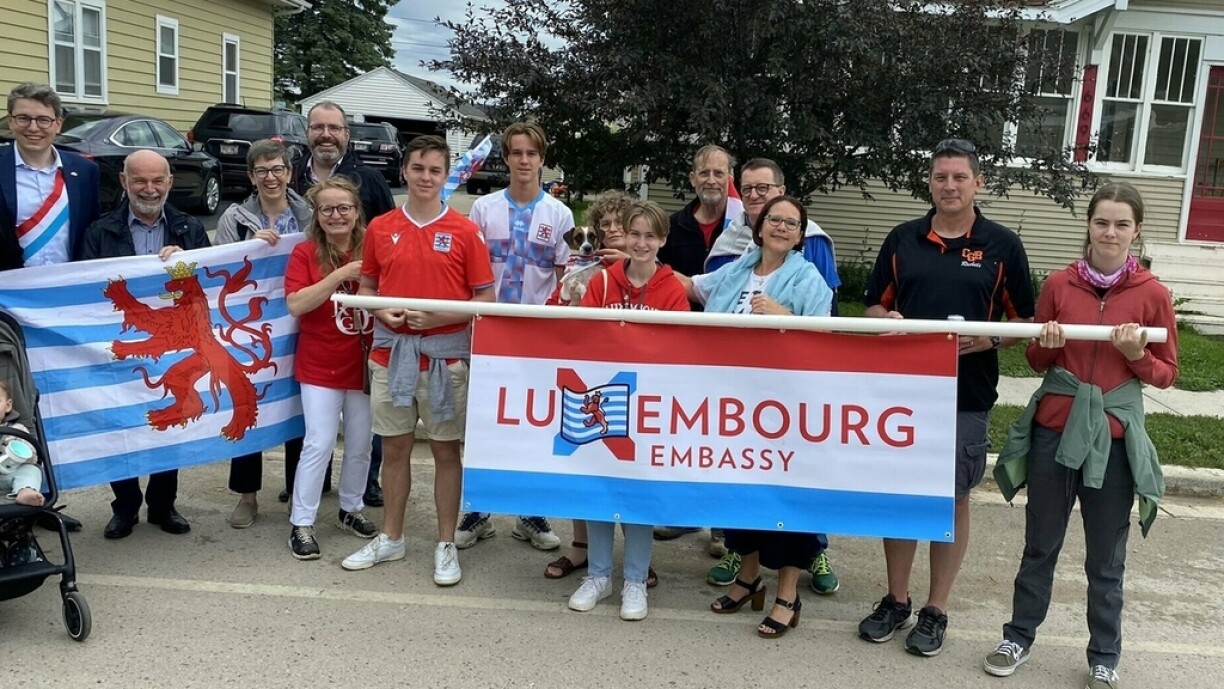
According to Zimer, if you were to visit this week, you would see Luxembourg flags lining the streets. Driving out of the village, stone farmhouses evoke the architecture of the old country. Zimer reckons that it feels just like driving through Luxembourg.
The festival itself stretches over four days, featuring cultural presentations, a gala evening, and, as its highlight on Saturday, a lively parade that brings together traditions from both sides of the Atlantic.
Zimer explains that Americans include almost everything in the parade: The mayor, trucks and fire engines join the procession alongside Luxembourgish touches like the Hämmelsmarsch, a Träipen-themed float, and other nods to the community's origins. Culinary traditions are also on full display, with festival-goers enjoying not only American favourites but also classic Luxembourgish specialities.
While Luxembourgish is seldom spoken in everyday conversation here, interest in ancestral roots remains strong. Zimer says that the villagers want to know where they come from. The parade gives them a sense of identity and pride in being Luxembourgish, while some even want to learn Luxembourgish.
For some, family history only emerges through research, while others inherit stories from their grandparents. The Luxembourg American Cultural Society offers guidance in tracing family trees, and even provides Luxembourgish language courses for those eager to reconnect with their heritage.
Inspired by the idea of building transatlantic connections, Zimer has been working to establish a regular student exchange programme between Luxembourg and Wisconsin. Both schools and universities now participate in these exchanges. He stresses that it is more important than ever to maintain these bridges. Young participants typically spend two to three weeks living with host families and come away inspired by their experiences.
For Belgium, Wisconsin, Luxembourg Fest is the highlight of the year, regularly filling local hotels and drawing visitors from across the region. The celebration is a testament to how Luxembourgish roots still play a role in the lives of residents here, nearly two centuries after their ancestors first made America their home.