The jail for male suspects in detention while awaiting trial will open on 5 December. It will be able to house up to 400 people.
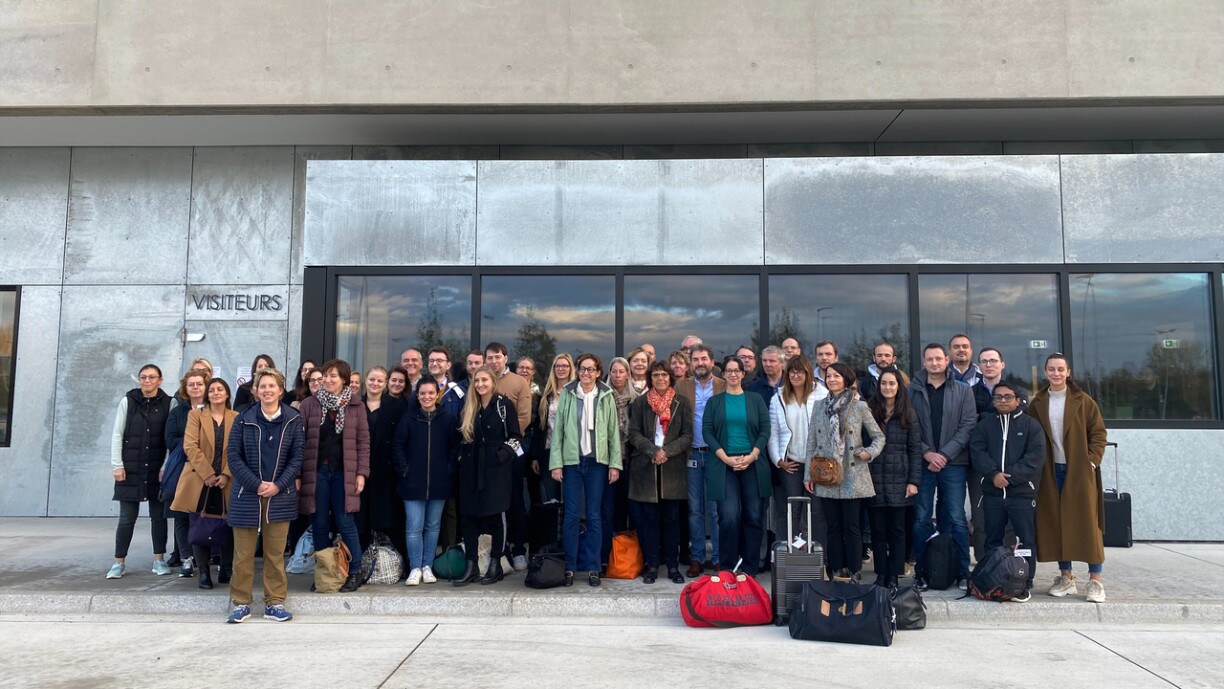
At 9am on Wednesday, a total of 50 people were released from the penitentiary centre after spending a night in the newly constructed facility. The group included magistrates, representatives from the prosecutor's office, and employees from the Ministry of Justice and the prison administration.
22 hours locked up without a phone, internet connection, and news from the outer world thus came to an end. Participants of the experiment were supposed to experience what it means to have their freedom taken away, even if it was just for one night.
State prosecutor Martine Solovieff described the experience as "fun", not only due to the facility itself, but also because of the exchanges with other "inmates". She particularly remembered the sound of the keys turning the lock of the cell door.
Participants followed the routine of a regular day at the facility. They slept in individual cells, which are rudimentary yet equipped with a television able to show 120 channels. Some complained about the lack of clocks inside the cell, noting that only the TV shows the time. Another one stated that the beds were "rather hard".
Christine Goy, secretary general at the Ministry of Justice, also participated in the experiment. She explained that the experience showed her the importance of physical exercise: "It is the only moment where one feels truly free, more even than during the outside time."
Jeff Schmit, director of the penitentiary centre, stressed the importance of the experiment as it helped further optimise some processes, such as the fire drill. He also lauded the commendable behaviour of all participants.