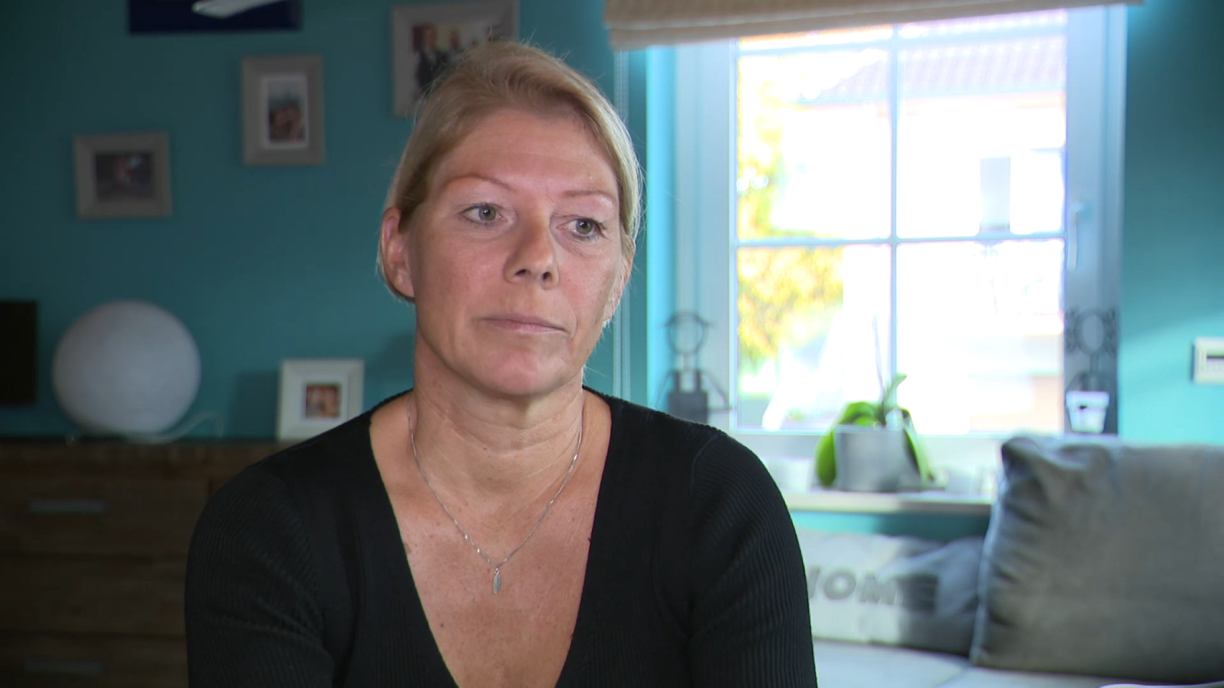
In April 2015, at the age of 40, Sandy Hennes suffered a stroke whilst travelling on a plane for her holidays - a day which changed her life. The attack left her unable to speak properly, needing to relearn words, and she was also unable to walk properly for some time. When she was admitted to the rehabilitation centre in Luxembourg seven years ago, she was asked what she hoped to achieve. Sandy replied she wanted to go back to work, and be able to go running again. With training and discipline, Sandy has since managed to get back on her feet, but it is not the same as before.
"My biggest problem, which has endured until today, is the fatigue. Every day I nap when I get home from work," she says. Once fatigue sets in, Sandy struggles to find the right words; her concentration is poor, and the fatigue also impairs her motor skills.
Around a third of stroke patients are affected by fatigue, says Dr. Monique Reiff, neurologist at CHL. Although patients do regain a certain degree of autonomy at the start of therapy and re-education, but if re-education progresses slowly, then patients often notice their energy levels are significantly lower than before the stroke.
In order to raise awareness of the syndrome, the "Blëtz" charity held a conference on 23 October, where experts including Dr Reiff agreed there was much research to be done on fatigue after strokes. "Society must be made aware, so that patients exhibiting these symptoms are taken seriously. Maybe their jobs need to be adjusted to accommodate the fatigue, and employers will have to accept it," underlined Dr Reiff. But equally, patients themselves must accept that their lives are restricted by the fatigue.
Video report in Luxembourgish:





