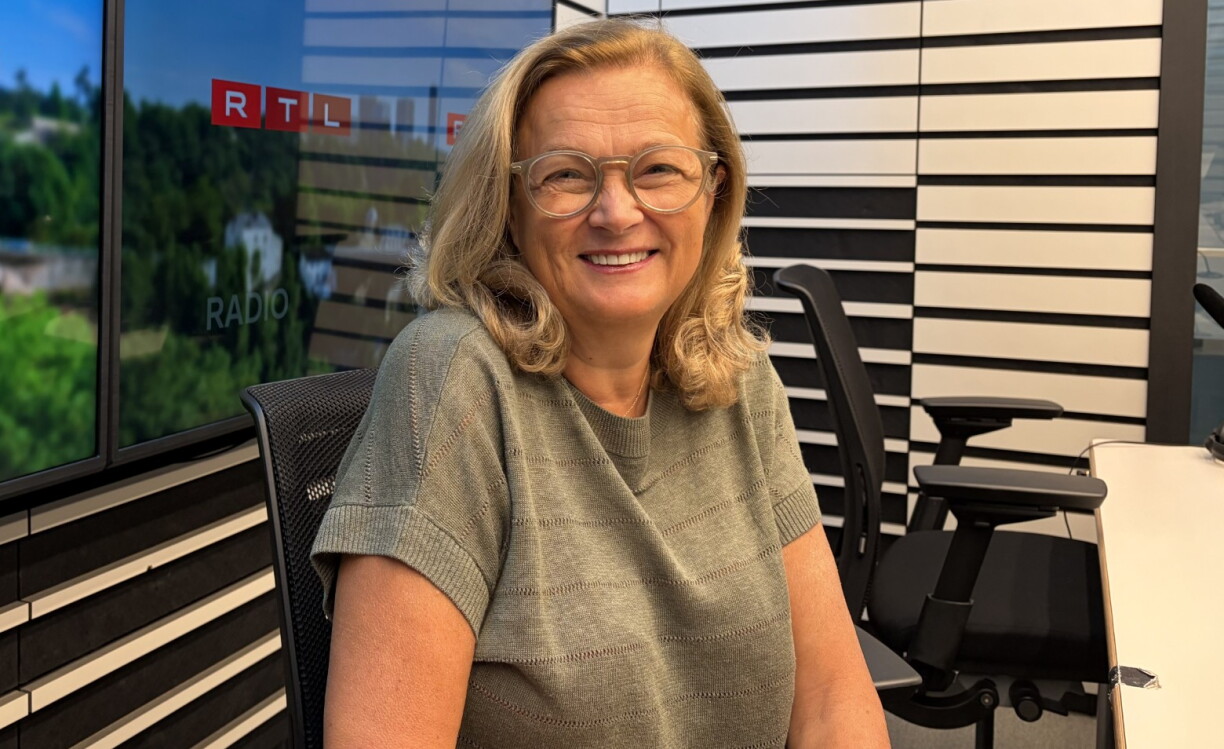
Speaking to RTL Radio on Tuesday morning, Mireille Rahmé, president of the Luxembourg City Business Association, said 191 businesses would take part in this year's Braderie, which returns to the capital on Monday 7 September. The Braderie is traditionally held on a Monday during the Schueberfouer.
Rahmé told RTL on Tuesday morning that organisers believed the September date would work better, with more people back from their summer holidays and neighbouring countries having already begun the new school year.
A total of 191 businesses will take part this year.
"The Braderie is one of the most important commercial events we have in the city", Rahmé said, adding that it was well known not only throughout Luxembourg but also across the border.
For shoppers, the attraction remains the chance to find bargains. For independent retailers, meanwhile, the event is an opportunity to clear older stock before the arrival of new autumn and winter collections.
Unlike large retail chains, smaller independent shops cannot simply send unsold stock back to their suppliers, Rahmé explained.
The Braderie can therefore generate strong turnover while also freeing up valuable space, according to Rahmé. At the same time, shoppers who come looking for discounted items are exposed to the new collections and may end up buying those too, she said.
Luxury boutiques and many international chains generally do not participate, something Rahmé acknowledged with some regret. Were luxury retailers to offer similar discounts, she joked, they would undoubtedly attract enormous crowds.
The shopping weekend effectively starts on Saturday, when participating businesses can begin setting up stands outside their shops provided they do not obstruct the streets.
On Sunday, some shops will open between 2pm and 6pm, while the traditional flea market will take over Avenue de la Gare. Rahmé said the combination gives visitors the opportunity to browse the flea market while also shopping elsewhere in the city.
Monday remains the main event, however, with entertainment for children, music, and competitions alongside the retail offers, she explained.
Shopping centres may increasingly launch their own promotions ahead of the Braderie, but Rahmé believes they cannot replicate the atmosphere of the city centre.
"On Braderie Monday, people come into the city. It's a tradition", she said. "There's so much going on that everyone can find something for themselves."
For Rahmé, the experience is increasingly about more than shopping alone. Families may come without a specific purchase in mind, have something to eat, bring their children to the free activities, and perhaps discover something to buy along the way.
"The important thing is that people have a good experience and go home feeling they've had a nice day", she said.
Rahmé would also like to see more businesses opening on Sundays throughout the year.
Although shops are permitted to open on Sundays, relatively few currently do so, she said. Rahmé stressed that businesses could not be forced to open and that factors such as the weather also influence whether doing so is worthwhile.
But retailers should not expect customers to change their habits overnight, she argued. Some shops that now open every Sunday took time to build up a regular clientele, but are now very satisfied with the arrangement, according to Rahmé.
"A city where the shops are open is much more lively", Rahmé said, adding that Sunday opening also made the capital more attractive to tourists than streets lined with closed storefronts.
Asked about the broader state of retail in the Upper City and Gare districts, Rahmé acknowledged that businesses face considerable pressure from online shopping, large shopping centres, and weaker household spending.
"The challenges are very significant", she said.
Nevertheless, she argued that the city centre still offered something online retailers could not reproduce: the opportunity to try something on, check whether the colour suits you, or even find out whether "the jumper scratches".
Restaurants and cafés also play an increasingly important role in bringing people into the city, she said. For many visitors, shopping is now only one part of a wider day out, according to Rahmé.
She also expressed hope that measures making some online purchases more expensive could encourage consumers to return to physical shops.
Security and perceptions of safety in the capital were another issue raised during the interview.
Rahmé praised the police for being highly visible and responsive, particularly when retailers report thefts. "There is a lot of stealing in our shops", she said, although she could not say whether shoplifting had increased compared with previous years.
She explained that many businesses have installed cameras or hired private security staff in response. However, smaller shops, she said, often cannot afford dedicated security personnel.
Rahmé noted that many retail employees are women working alone and may understandably be reluctant to confront someone they suspect of stealing. She therefore encourages businesses to contact the police and systematically file a complaint whenever an incident occurs.
Rahmé said she did not believe Luxembourg City was necessarily less safe than comparable cities. Its small size, however, means incidents tend to occur repeatedly in familiar places and are therefore particularly visible, she speculated.
Rahmé also rejected the widespread perception that shopping in the capital is inherently more expensive than elsewhere.
Retailers, particularly international clothing brands, cannot simply charge higher prices in Luxembourg when customers can travel abroad or compare prices online, she argued.
"Luxembourg is certainly not more expensive than anywhere else", she said. What retailers do face, however, are high rents and particularly high staffing costs compared with neighbouring countries, according to Rahmé.
Those additional costs cannot simply be passed on to customers, she explained, because doing so would make prices uncompetitive.
But for the moment, attention is firmly on next Monday's Braderie, with the first activities beginning over the weekend and retailers hoping the traditional event will once again bring large crowds into the capital.