Since 2001, Télévie has raised over €32.4 million for cancer research.
Each year, approximately 3,000 new cancer cases are diagnosed in Luxembourg, a figure experts predict could rise by more than half over the next two decades. Nevertheless, cancer-related deaths have been falling for years – a positive trend attributed to research advances.
Thanks to long-term studies and new discoveries, cancer can now be treated in a more targeted and less invasive way. Dr Guy Berchem, a Télévie contributor since its launch, notes that while many new drugs have been developed, researchers first had to understand how cancer works. "The odds are much better today," he says, though the "ultimate cure" remains elusive.
Research has produced molecules that can block the growth of cancer cells, and chemotherapy has become more effective and less aggressive. Immunotherapy has also seen major strides: instead of directly attacking cancer, the immune system is now stimulated to fight it.


Immunotherapy improves both survival rates and quality of life, causing fewer side effects than radiotherapy or chemotherapy. It strengthens the immune system to attack cancer directly, rather than destroying healthy cells alongside cancerous ones. However, it does not work for all patients, as some tumours lack immune cells in their immediate environment.
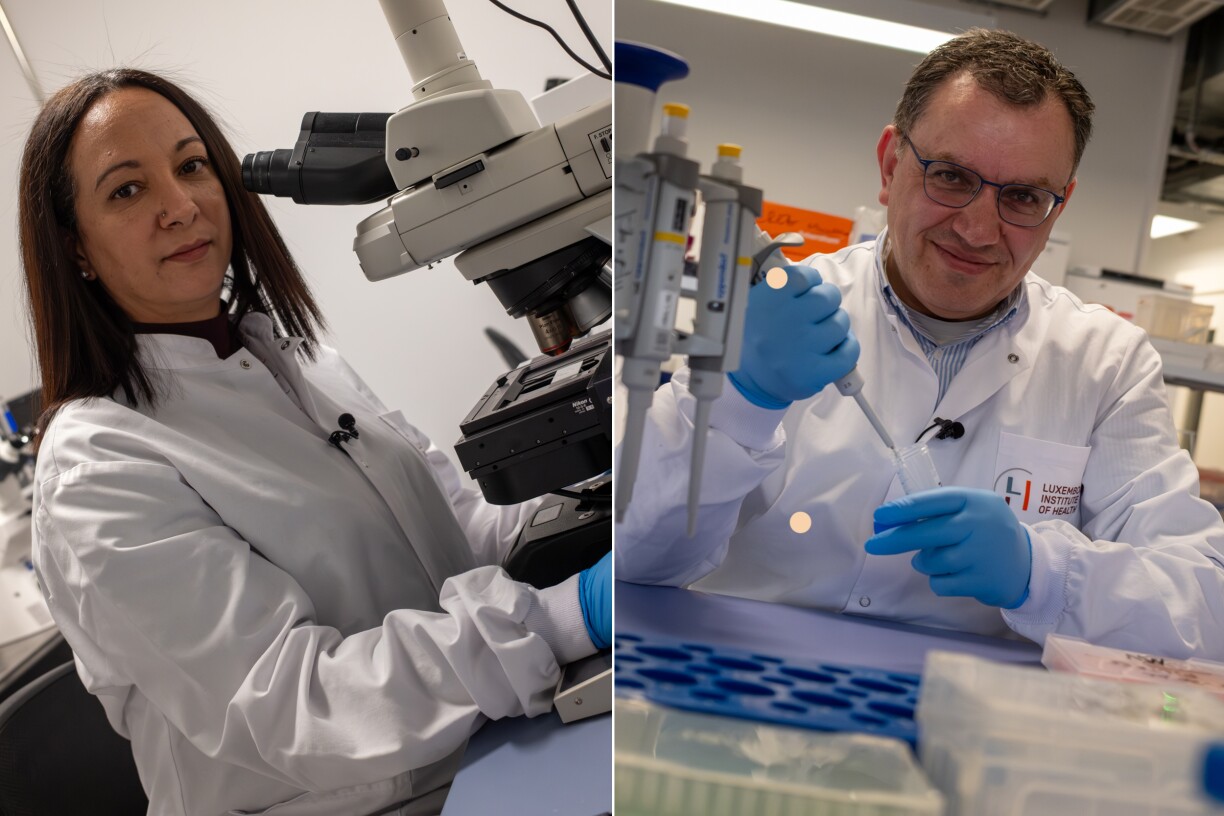
"Some tumour microenvironments do not contain immune cells, which prevents their activation," says Dr Bassam Janji, a researcher at the Luxembourg Institute of Health (LIH) for over 20 years. "Our research aims to bring immune cells into the tumour microenvironment, and then strengthen the immune system so that these cells can eliminate the cancer," he explained.
Certain types of cancer have become easier to treat over time, including testicular cancer, thyroid cancer, and Hodgkin's lymphoma. Others, however, still lack a truly effective treatment despite years of research. This is the case with glioblastoma, the most aggressive form of brain cancer, which has been studied for over ten years by Dr Sabrina Fritah.
Dr Fritah seeks to understand how certain cancer cells survive treatment – or even manage to escape it – as well as the changes that appear in these cells and the mechanisms they develop. Once these changes are identified, researchers can develop ways to block them, with the goal of making tumours more sensitive to treatments.
"The aim is to develop new therapeutic combinations that target not only the tumour but also these plasticity mechanisms, in order to make treatments more effective," Dr Fritah explained.
Treatments are no longer a one-size-fits-all solution; they are becoming increasingly personalised. "One treatment for one patient, at a specific point in time. That is what researchers are working on," she said. Today – and even more so in the future – patients and their tumours are analysed individually, allowing doctors to combine different therapies tailored to each case.
According to the European Cancer Information System (ECIS), the number of cancer cases in Luxembourg is expected to increase by 57% between 2022 and 2040. One trend is clear, however: fewer people are dying from the disease.
Since 1998, cancer-related deaths in Luxembourg have fallen by an average of 2.1% per year across all forms of the disease. Research is progressing rapidly and is expected to advance even faster thanks to new technologies capable of processing complex data and calculations. Today, more people are living longer after a cancer diagnosis, and many are treated successfully due to earlier screening and vastly improved therapies.
Behind this increase in life expectancy, however, lie decades of research. This is why investments – notably through initiatives such as Télévie – remain essential to continuing the fight against cancer.