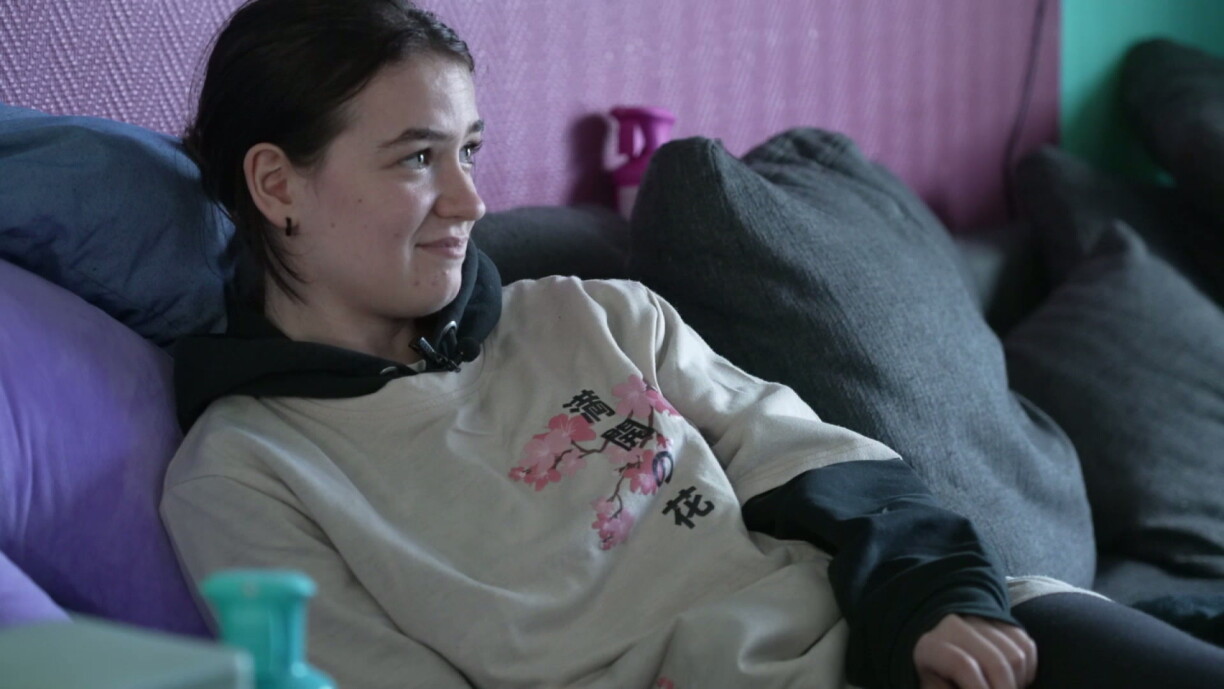
There is no single "original" self, she says. "People often ask us who the real Janis is, but that does not really exist. It is as if you took a glass, dropped it, and each fragment is Janis, but at the same time, not quite."
Janis refers to herself in the plural because she is part of a system. DID was once known as multiple personality disorder. As far as the system knows, it includes fourteen alters, who differ in gender, age, character, appearance and voice. They take turns controlling the body, a process known as "switching." Whoever is "in front" is in control.
Janis compares it to a car. The body is the vehicle, and the alter "driving" has control. Another may be co-conscious, like a front-seat passenger who is aware and can communicate but is not steering. Others sit in the back seats, partly aware and able to talk among themselves, while some are "in the boot," cut off from the outside world but still able to interact internally. The driver can swap with another alter at any moment, because of tiredness or because another wants to come forward.
Janis attends the Arts et Métiers secondary school, in the art section. Some alters are present more often, while others stay in the background, and each has particular responsibilities.
"Some of us mainly take care of schoolwork," says S., one of the alters, with Jay co-conscious. "Others look after the body, while some neglect it, because, technically, caring for the body was not their original purpose. We have two who take on more of a maternal role. Then there are those whose job is to protect us from the outside world."
Abilities differ between alters. One cannot speak German, which led to special arrangements at school. Another cannot drive. The system tends to avoid switching in risky situations that require a particular skill.
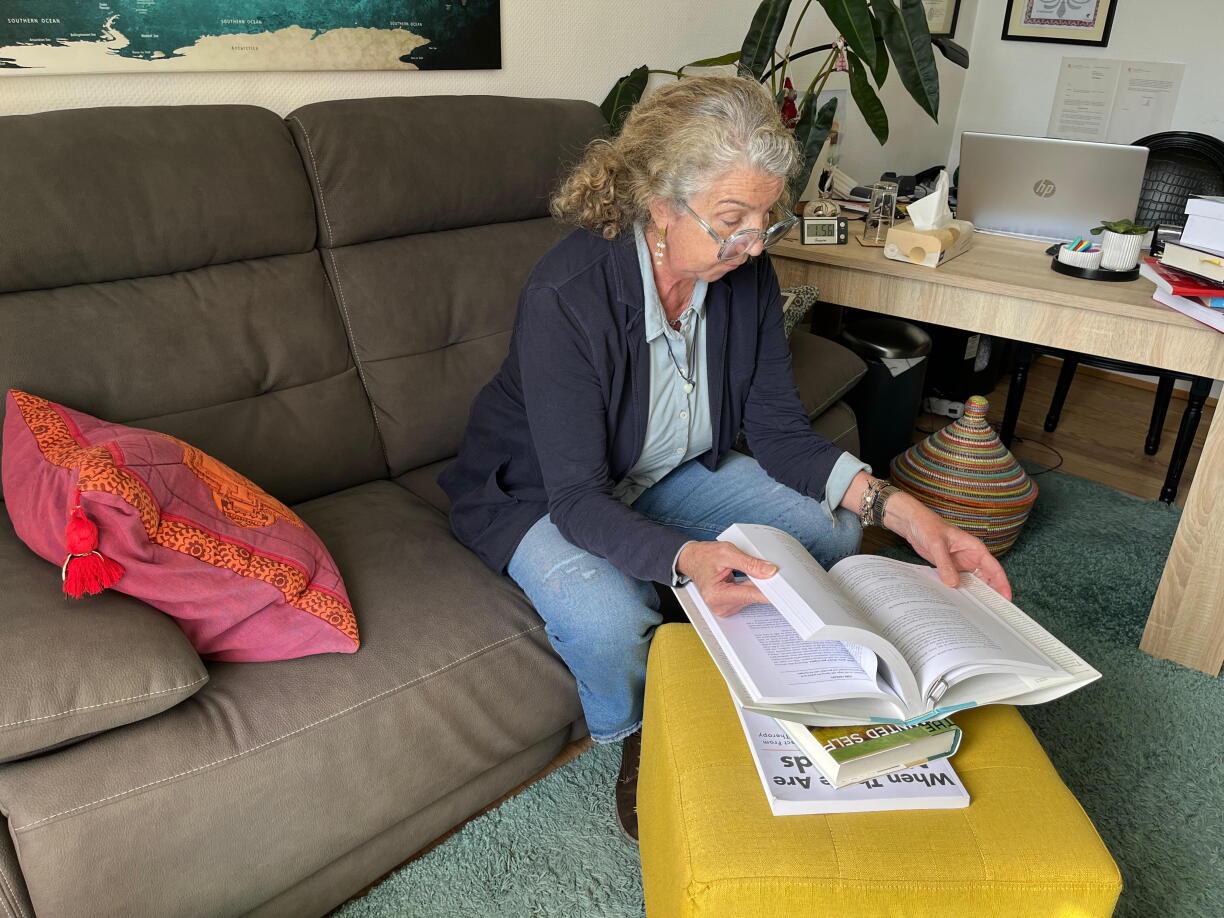
DID usually develops after severe childhood trauma. Trauma specialist Denise Reding-Jones calls it "an intelligent coping mechanism. People do things to others that are unimaginable. The brain says, ‘I have to go into a network for protection, or I will go mad.’ It arises from absolute suffering," she says. People who have been raped may not develop DID, she adds, but often describe remembering up to a point and then nothing. "The brain says, 'I am going on holiday, I cannot endure this.'"
In DID, communication between different parts of the brain is blocked, which protects the person from overwhelming trauma.
Some of Janis's alters remember the trauma. "It happened when we were about seven or eight: months of sexual abuse, and at the same time, we lost someone very close to us. It was all too much at once. At that age, you are not fully developed, so DID could form," says S. Those alters often also live with severe depression and post-traumatic stress disorder, which Janis believes will last a lifetime.
There is no cure. Therapy focuses on improving communication between alters and helping them recognise all the parts of the system. Treatment also addresses triggers, aiming to regulate the disorder and reduce dissociation and switching. Janis keeps working on internal communication and writes down details such as exam dates and ballet lessons, or they risk being forgotten.
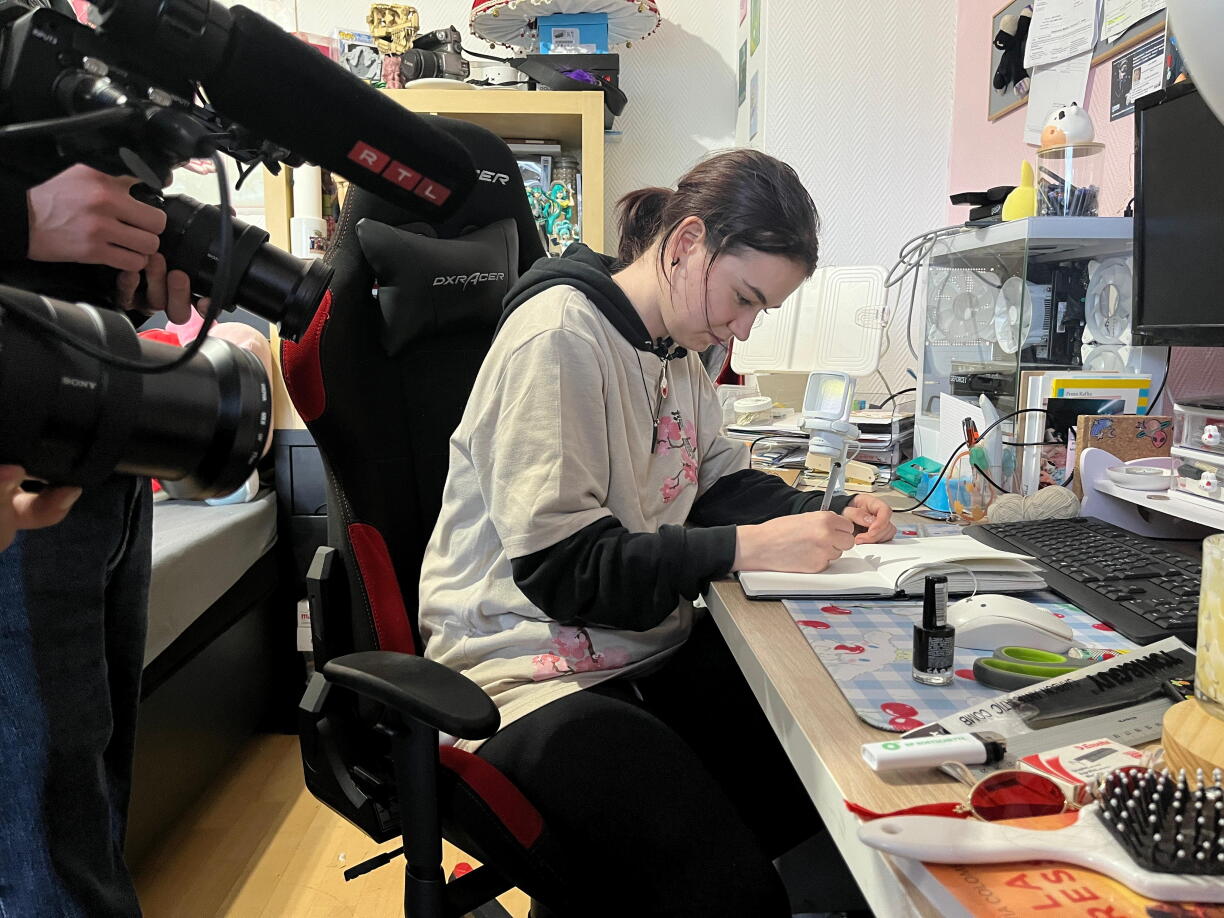
Each alter has its own memories. When one comes to the front, it remembers what happened the last time it was present, a gap that could be a day, a week or a month. To bridge these gaps, Janis records everything in a group chat or a notebook.
Janis is receiving psychiatric care. "We always knew something was not right," says S. At fourteen, after a suicide attempt, she saw a psychiatrist, who acknowledged something was wrong but did not investigate further. "We felt completely broken. For years we searched for a name for what we were experiencing. It simply hurt. Being told by a professional that it was not important was devastating. But for us, it mattered."
Many people with DID avoid talking about it for fear of being labelled "crazy," Reding-Jones says. Dramatic Hollywood portrayals fuel misconceptions. "People have asked us if any of us are evil, or try to hurt others," says S. Janis wants to raise awareness so others with DID will not fear the diagnosis and will know they are not alone.
DID can also bring physical changes between alters. Some have allergies that others do not, some need glasses while others do not, and each has distinct handwriting.
"All of this can be explained neurologically: the body shifts into different neural networks, so whatever is real in that network also becomes physically real," Reding-Jones explains. She has had patients who were blind as one alter and sighted as another, or who alternated between walking and using a wheelchair.
About one percent of the world's population is estimated to have DID, a diagnosis that remains controversial even among mental health professionals.