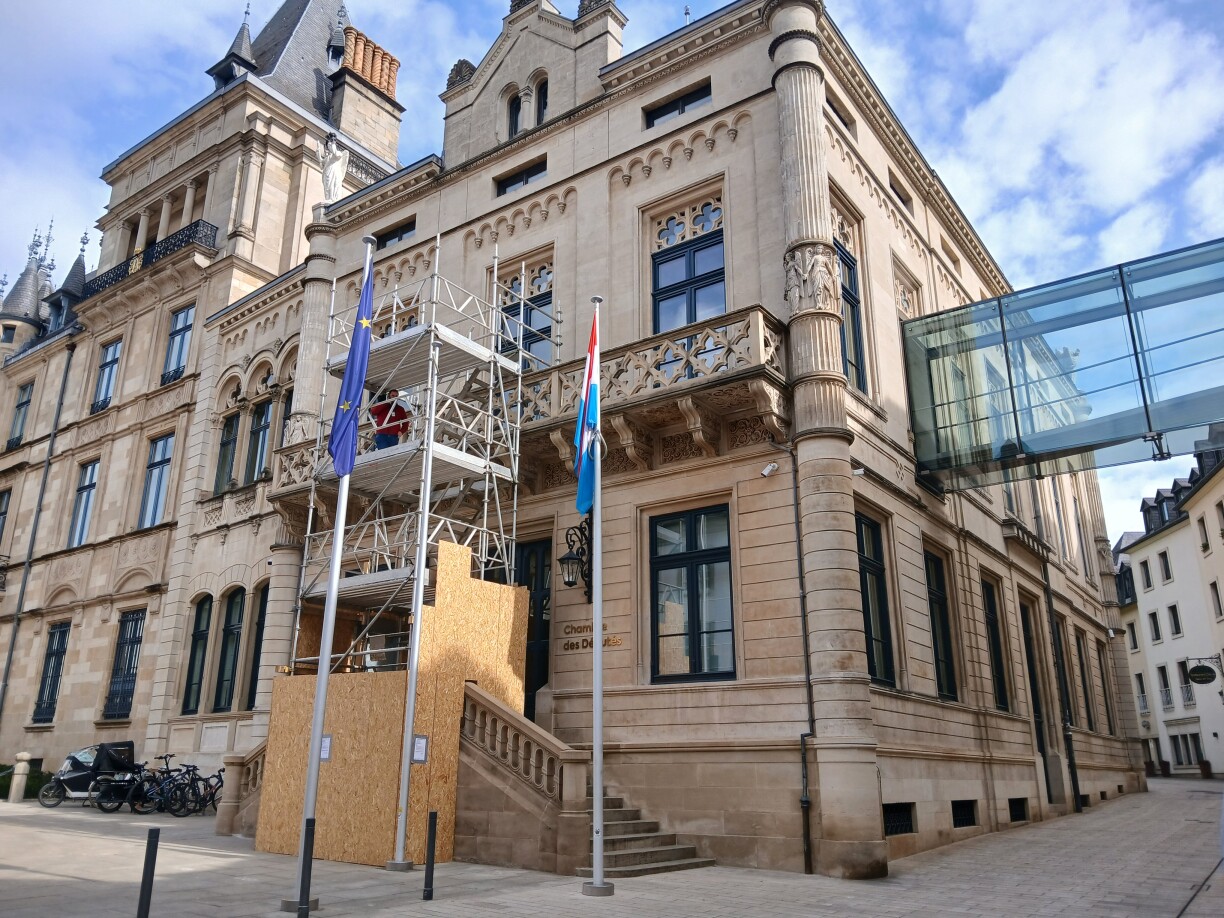
Luxembourg, and indeed the rest of Europe, is caught in an energy transition phrase. On Thursday morning, energy minister Serge Wilmes and Minister of the Economy Lex Delles presented the plan to the Chamber of Deputies, against a backdrop of the war in Iran and soaring energy prices.
The DP's Luc Emering commented that the plan was drawn up before the current crisis, and contains long-term measures. But some measures will be felt more quickly than others.
"A CO2 tax offset for vulnerable households paid directly via their paycheck, for example, would certainly relieve the burden on households."
People who use a lot of fossil fuels rather than more sustainable alternatives, perhaps due to the inability to afford other options, will feel the global market fluctuations more strongly. In spite of this, the energy transition must remain.
The LSAP's Franz Fayot agreed, saying that although he welcomed the plan, he felt it lacked ambition and was mainly based on subsidies. Instead, he said it should take into account taxes, bans, and the polluter-pays system.
"The plan mentions a measure to renovate empty homes, which should be a good thing, but really it should not be possible to leave a home standing empty in this country. We are in the midst of a housing crisis, with a high cost of living, and it's not really acceptable to allow owners to leave a home empty."
Tom Weidig of the ADR declared himself dissatisfied with the plan, as he believes the majority of the measures should be cancelled entirely.
"These subsidies are distorting the market. If we have to offer lots of subsidies, then it means the technologies are not ready for people to invest in them and they are simply too expensive for the public."
He added that the high energy prices are in part due to flawed, irrational energy policy.