Luxembourg, like many other European countries, experienced a modest rise in deaths during this summer's heatwaves, the Ministry of Health confirmed to RTL, citing data from the European mortality monitoring project (EuroMOMO). EuroMOMO compiles and compares mortality figures from across Europe, though its statistics come with some caveats.
During the late June heatwave, a notable excess in deaths was recorded among those aged over 75. Specifically, around 50 more people in this age group died at the end of June than would usually be expected for that time of year, based on statistical averages. Most of these deaths occurred in hospitals (35 percent) and in care or nursing homes (19 percent).
No higher-than-normal death rates were found among younger age groups. The Ministry also pointed out that it is often not possible to determine immediately whether heat was the main cause of death. Nevertheless, excessive heat can lead to dehydration in older people, worsen existing illnesses, or cause other health complications.

Data show that, up until the 25th week of the year – mid-June – mortality rates in Germany, Belgium, France, Luxembourg, and the Netherlands were within normal ranges, before rising sharply towards the end of June. However, the increase was less pronounced in Luxembourg and the Netherlands than in Germany, Belgium, or France. The Ministry cautioned that cross-country comparisons require care, as many different factors may play a role.
There is no definitive explanation for why Luxembourg's excess mortality was lower than in France, Belgium, or Germany, but the Ministry offered several hypotheses.
One reason could be the demographic profile of Luxembourg's population, which differs from that of its neighbours. Luxembourg has a relatively higher proportion of people aged 25 to 45, and fewer residents aged 65 to 79 and over 85, compared with surrounding countries.
The intensity of the heatwave itself also varied from place to place. For example, temperatures in southern France differed from those in the north. Night-time temperatures are particularly important: so-called "tropical nights" where temperatures remain above 20°C, pose increased health risks and are a key factor in mortality during heatwaves.
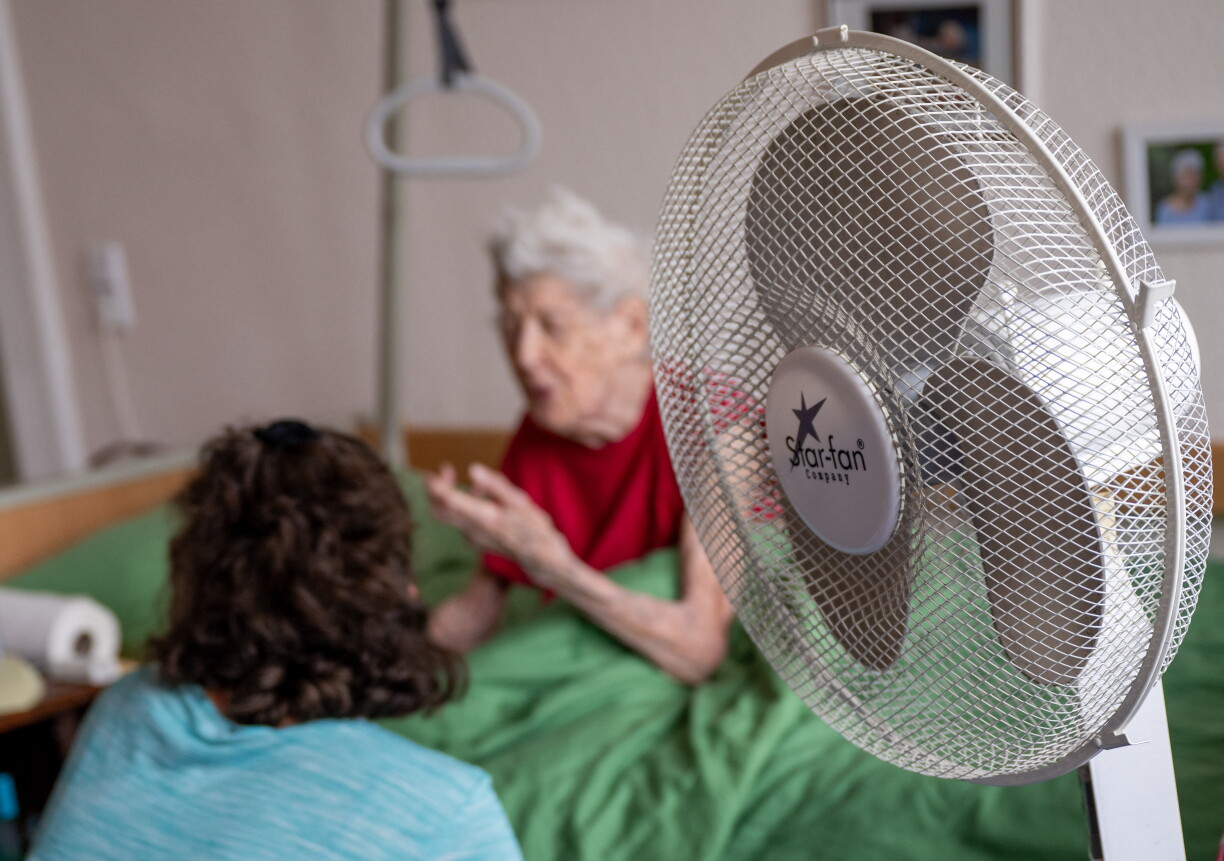
Luxembourg's infrastructure may also play a part. According to the Ministry, the quality of facilities for older people, such as care and nursing homes, could help explain why excess mortality among those over 75 was not as high as in neighbouring countries. Many facilities in Luxembourg provide air-conditioned spaces where residents can spend time during extreme heat. Furthermore, Luxembourg has a lower population density, especially in urban areas, than its larger neighbours.
The Ministry is currently working with hospitals to develop new indicators for more accurately identifying deaths directly related to heatwaves. Hospital admissions of people affected by high temperatures will also be analysed.
Other indicators are being developed to measure the impact of home visits to people over 75 during periods of extreme heat. Luxembourg has a dedicated system to ensure that elderly people living alone receive medical support during heatwaves – a factor that may have contributed to better outcomes than in neighbouring countries.
In June, the authorities also put additional measures in place: extra support for homeless people, and increased inspections by the Labour and Mines Inspectorate (ITM) at construction sites to protect workers and issue health recommendations, according to the Ministry of Health.