
Here are five things you should know at the end of this week:

Alleged assaults in custody – The trial centres on two incidents in May 2023, where detainees at the Luxembourg-Gare C3R police station were allegedly assaulted by officers while in custody. One man reportedly suffered a broken rib, while another was beaten in the face and ribs. The accused officers face charges including intentional bodily harm, abuse of authority, and, for some, torture. The events have raised serious questions about the conduct of police in detention settings.
Code of silence – Testimony during the trial has highlighted a strong sense of internal loyalty among officers at the station, with several witnesses describing reluctance to report misconduct. One young officer recounted being bullied and ostracised after refusing to stay silent about the alleged violence. Investigators and the court have pointed to misplaced solidarity and a culture where covering for colleagues was prioritised over accountability.
Station closure and ongoing trial – The Luxembourg-Gare C3R police station, where the incidents occurred, was dissolved in November 2023 amid ongoing scrutiny. The trial, initially delayed to allow more witnesses, continues with further testimony from both accused officers and senior police management. The proceedings have drawn attention to issues of understaffing, inexperience, and pressure at the station, as well as the broader challenges facing police oversight.
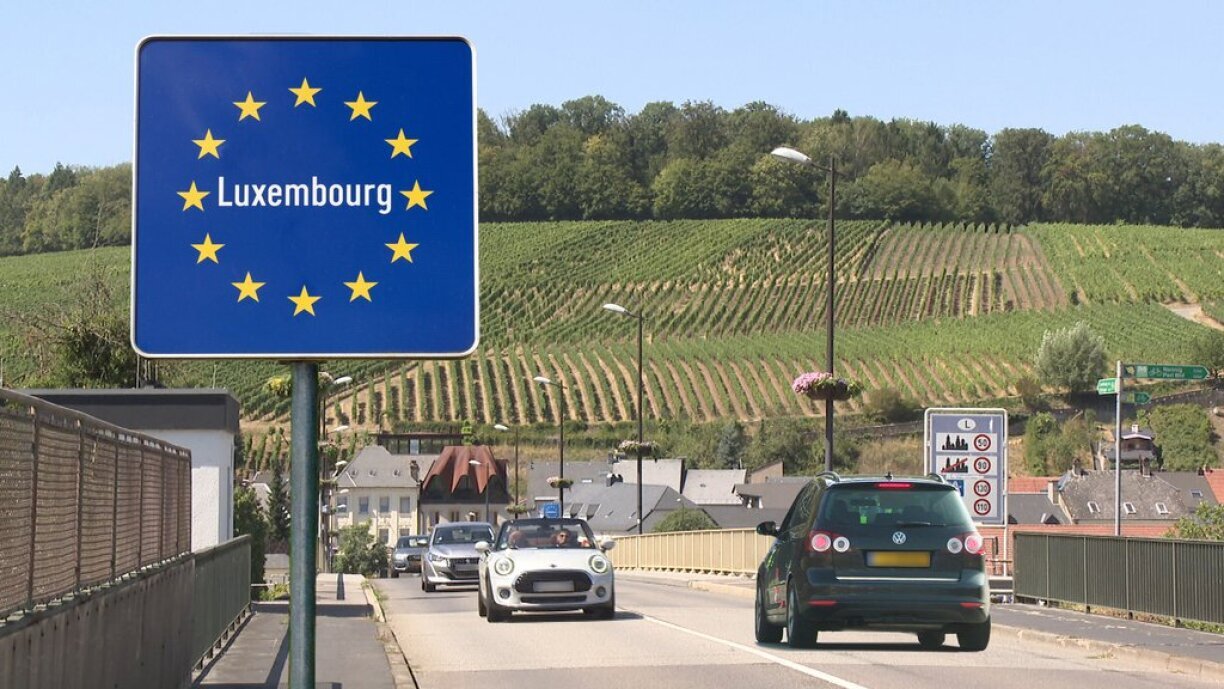
EU policy shift – A decade-long EU negotiation has resulted in a provisional agreement that will make the last country of employment fully responsible for unemployment benefits paid to cross-border workers. For Luxembourg, which relies heavily on a cross-border workforce, this marks a significant departure from the current system where only partial payments are made for a limited period. The new rules aim to simplify procedures and ensure fairer treatment for workers.
Financial and administrative impact – If the reform is ratified, Luxembourg could face an annual bill of around €200 million, though the exact cost will depend on future unemployment rates. The country has secured a seven-year transitional period to adapt, recognising its unique position with 230,000 cross-border workers. The National Employment Agency (ADEM) will need to expand its staff and further digitalise its processes to handle the increased workload.
Next steps and bilateral talks – Labour Minister Marc Spautz has stressed the inevitability of the change and the need for immediate negotiations with neighbouring countries – France, Belgium, and Germany. Bilateral agreements are seen as essential to prevent system abuse and ensure no worker is left unregistered. The final European Parliament vote is expected by October, after which Luxembourg will begin its transition to the new system.
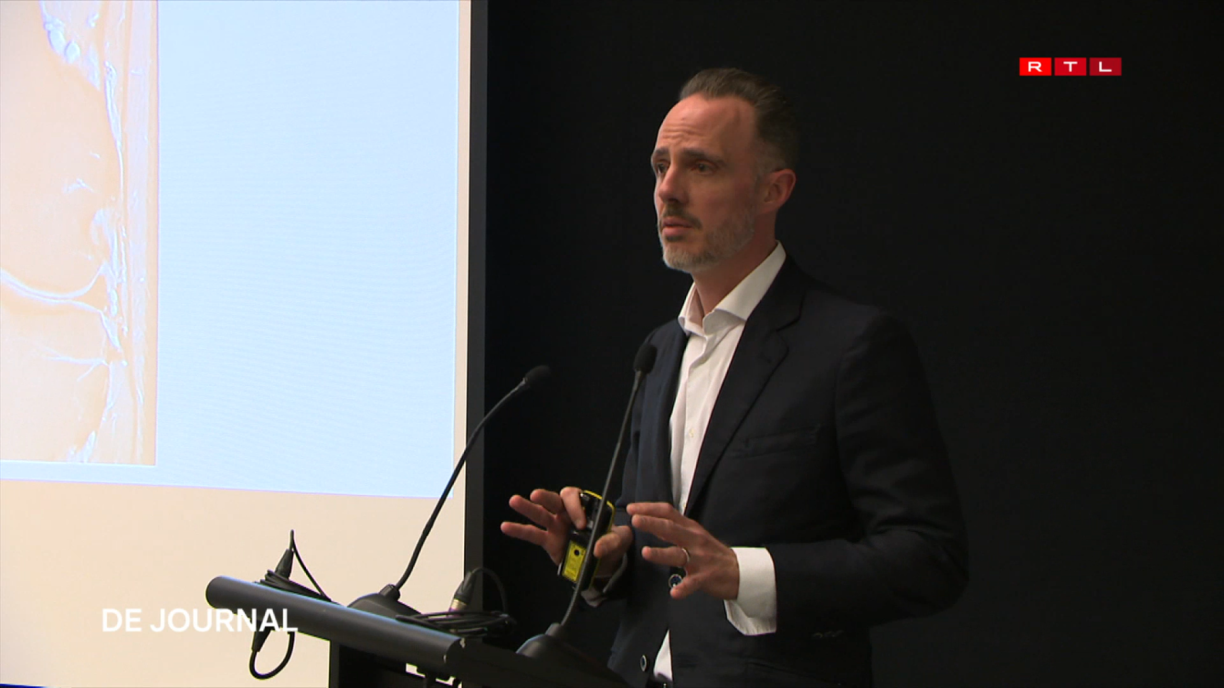
Unprecedented load – Patiente Vertriedung asbl, Luxembourg's main patients' rights association, has received 71 files from patients dissatisfied with the work of suspended orthopaedic surgeon Philippe Wilmes. The group says it has never seen such volume in nearly two decades, with calls and requests spiking each time new details emerge. With only three staff members, the association faces a significant challenge in processing each case, which takes several days per file.
Legal process intensifies – The investigation into Dr Wilmes has entered a new phase, as ten cases from an expert report have been referred to the public prosecutor. The expert panel unanimously found that Wilmes had performed unjustified knee procedures, leading to the extension of his suspension by 21 months. Health Minister Martine Deprez confirmed the referral and stated that the Medical Council will continue its investigation while the prosecutor assesses possible criminal elements.
Political motives denied – The Health Minister has firmly rejected claims by Wilmes that his suspension was politically motivated. Deprez insists her decision is based on expert findings and aligns with the coalition agreement, not personal or political conflict. Parliamentary groups have expressed support for her approach, and Deprez maintains she will continue her responsibilities, dismissing rumours and speculation about her position or the government's intentions.

Attack in Golders Green – On Wednesday, two Jewish men were stabbed in Golders Green, a north London area with a significant Jewish population. The victims, aged 76 and 34, were treated at the scene and are in stable condition. The suspect, a 45-year-old man, was detained by community members before police used an electroshock weapon to arrest him. The attack follows a spate of arson incidents targeting Jewish sites in the area.
Government and community response – Prime Minister Keir Starmer and Mayor Sadiq Khan condemned the attack, with Starmer pledging increased funding and security for synagogues and Jewish community sites. The interior ministry announced an extra £25 million for protective measures. However, local leaders and residents expressed frustration, urging the government to do more to ensure safety and address rising antisemitism. Israel officials condemned the attack and criticized UK authorities for not doing enough to protect the Jewish community.
Rising threat and wider impact – Following the stabbing, the UK raised its terrorism threat level to 'severe', indicating another attack is highly likely. Monitoring groups have reported a surge in antisemitic and Islamophobic incidents, particularly since the start of the Israel-Hamas conflict. Authorities are also considering further restrictions on protests amid concerns about hate speech and national security.

Pomp and circumstance – The state visit was marked by lavish ceremonies, including a White House banquet where Trump praised the British monarchy and shared anecdotes about his mother's admiration for King Charles. Despite underlying diplomatic strains, particularly over the war in Iran, both leaders publicly emphasised the enduring "special relationship" between their nations, with Charles advocating for international alliances and Trump highlighting military cooperation.
Difficult topics – King Charles addressed the US Congress, touching on sensitive issues such as climate change, NATO, and the need for checks on presidential power. While careful to avoid direct confrontation over Britain's stance on the Iran conflict, Charles stressed that the UK-US partnership remains strong, even when born out of past disputes. The trip also included tributes to fallen US soldiers and meetings with local communities.
Colonial legacy resurfaces – The visit was not without controversy. In New York, Mayor Zohran Mamdani called for the return of the Koh-i-Noor diamond to India, reviving debate over colonial-era artefacts. The brief exchange between Mamdani and Charles drew mixed reactions, with some British politicians dismissing the demand as an insult. The diamond remains a symbol of contested history, with several countries claiming ownership.
Your Weekly Recap is published every Friday at noon.
Read earlier versions here.