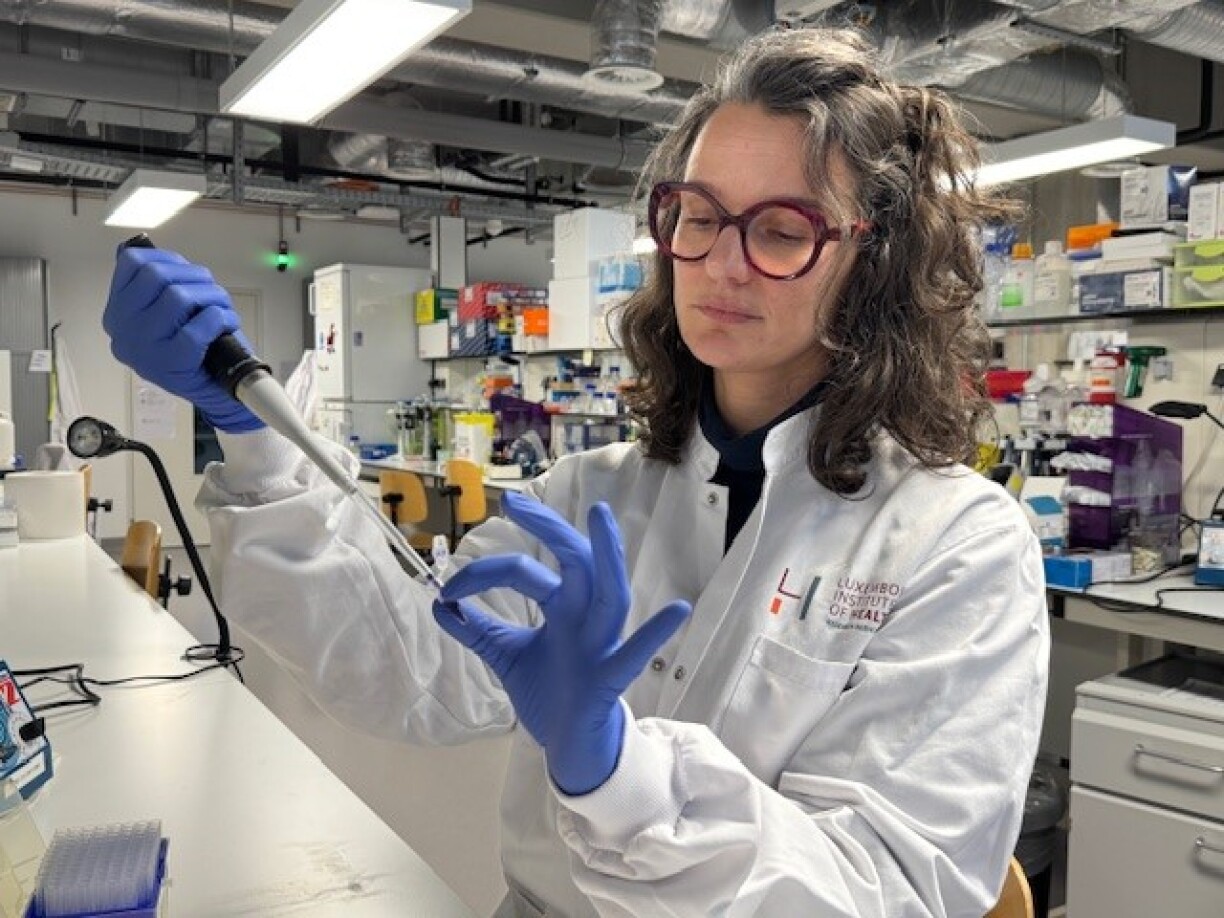
Cancer researchers at the Luxembourg Institute of Health (LIH) are investigating how allergies may help protect against brain tumours. People with respiratory allergies such as hay fever or allergic asthma have a 30% lower risk of developing glioblastoma, an aggressive and currently incurable brain tumour.
The goal of the research is to understand why – and to use that knowledge to develop more effective treatments.
Glioblastoma is a rare but particularly aggressive form of brain cancer. It spreads rapidly and is able to block the body's immune response, rendering many treatments – especially immunotherapies – ineffective.
Yet there is a clue: respiratory allergies appear to offer a protective effect. The LIH's Glioma Risk and Allergy (GRALL) project is focused on uncovering the biological mechanisms behind this phenomenon.
Aurélie Poli, who leads Project GRALL, explained that researchers believe allergies may keep the immune system in a heightened state of alert. "The idea is that allergies activate the immune system, making it more aggressive toward substances it would normally ignore", she said.
This activation, the hypothesis suggests, may also help the immune system better recognise and fight glioblastoma cells.
The research places particular emphasis on microglia – the brain's unique immune cells. Dr Alessandro Michelucci, head of the Neuro-Immunology Group at LIH, noted that during an allergic reaction, these microglia become activated and begin producing substances that can slow tumour progression.
At the same time, other immune cells from elsewhere in the body are recruited to join the fight. According to Dr Michelucci, the team has already demonstrated these effects in experimental models.
The next step is to understand the precise mechanisms by which allergies make immune cells more effective against glioblastoma. This knowledge could eventually serve as the foundation for new pharmaceuticals or more potent immunotherapies.
However, researchers caution that the path from basic science to a finished treatment is long – likely spanning several years. Project GRALL is funded by the National Research Fund (FNR) and the Cancer Foundation and is scheduled to run until April 2028.
Video report in Luxembourgish





