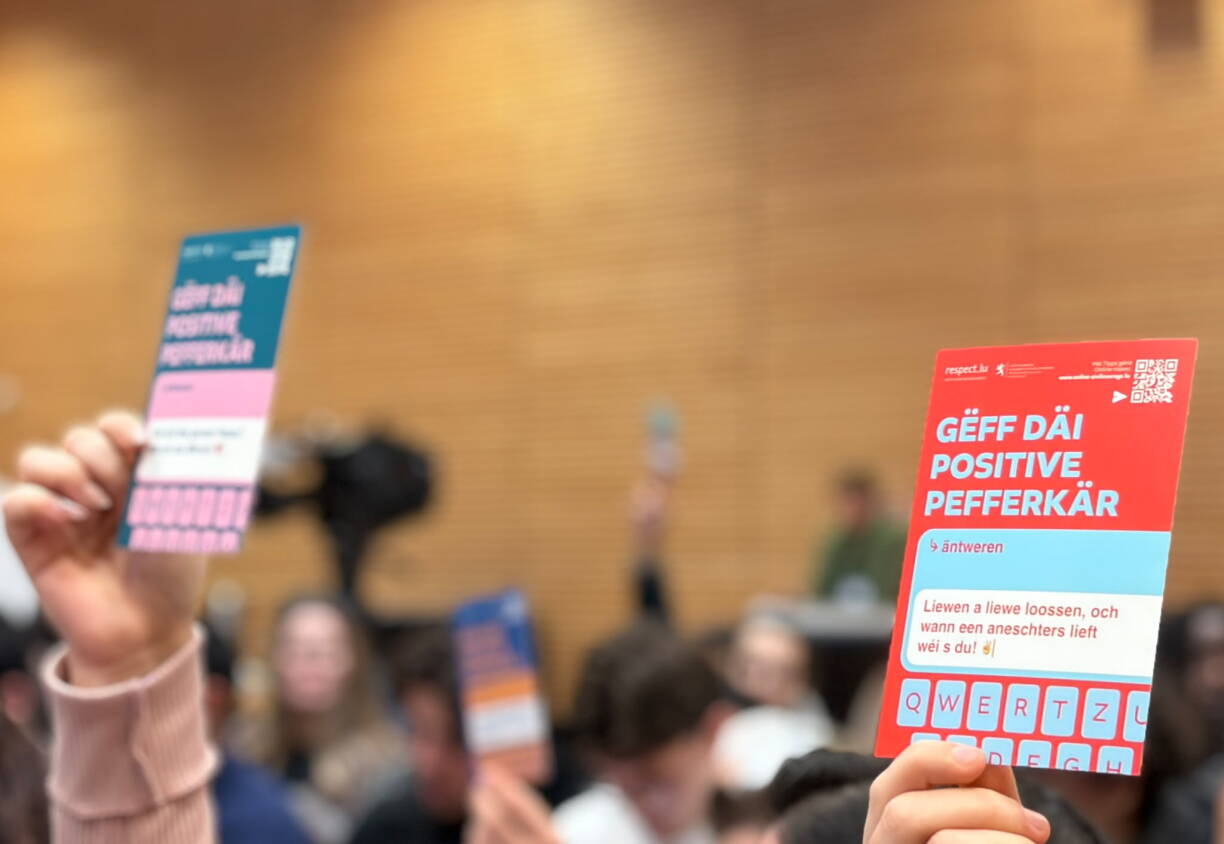
While perpetrators often feel safe hiding behind screens, hate speech can spread rapidly online and is frequently met with support. To better cope and react to this unwanted phenomenon, students at Lycée technique de Lallange recently learned how to respond with positive comments as part of the 'Gëff Däi Positive Pefferkär' campaign – which roughly translates to 'Give your positive two cents'.
Many people are reluctant to speak publicly about their experiences, but three young women from the secondary school spoke to RTL about online bullying – some as direct victims, others as witnesses. One student recounted being bullied because she did not speak Luxembourgish when she first arrived in the country, while another described how her sister was targeted online for years.
So far, their approaches have largely been to ignore negative comments or to report them to the platforms involved.
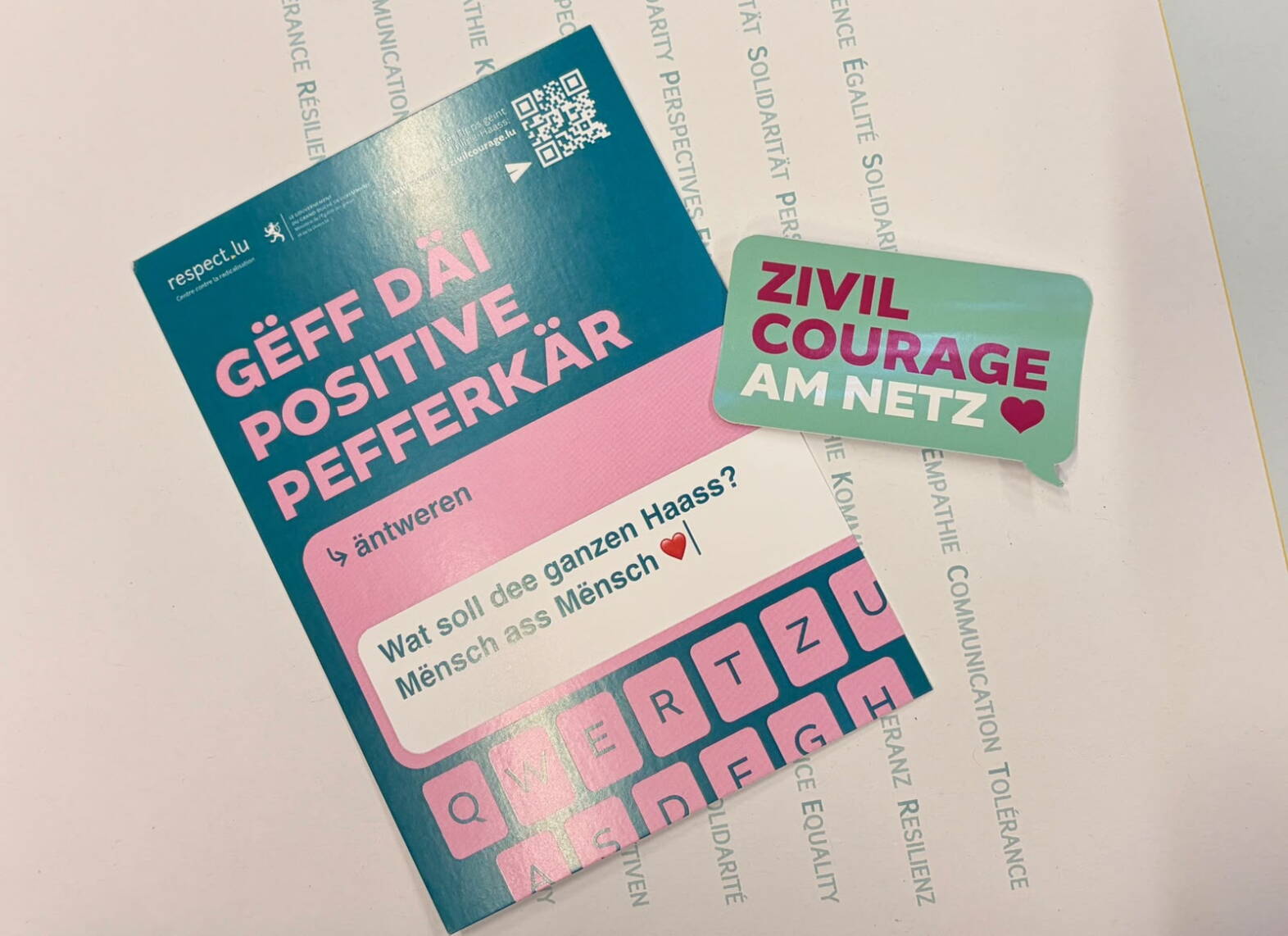
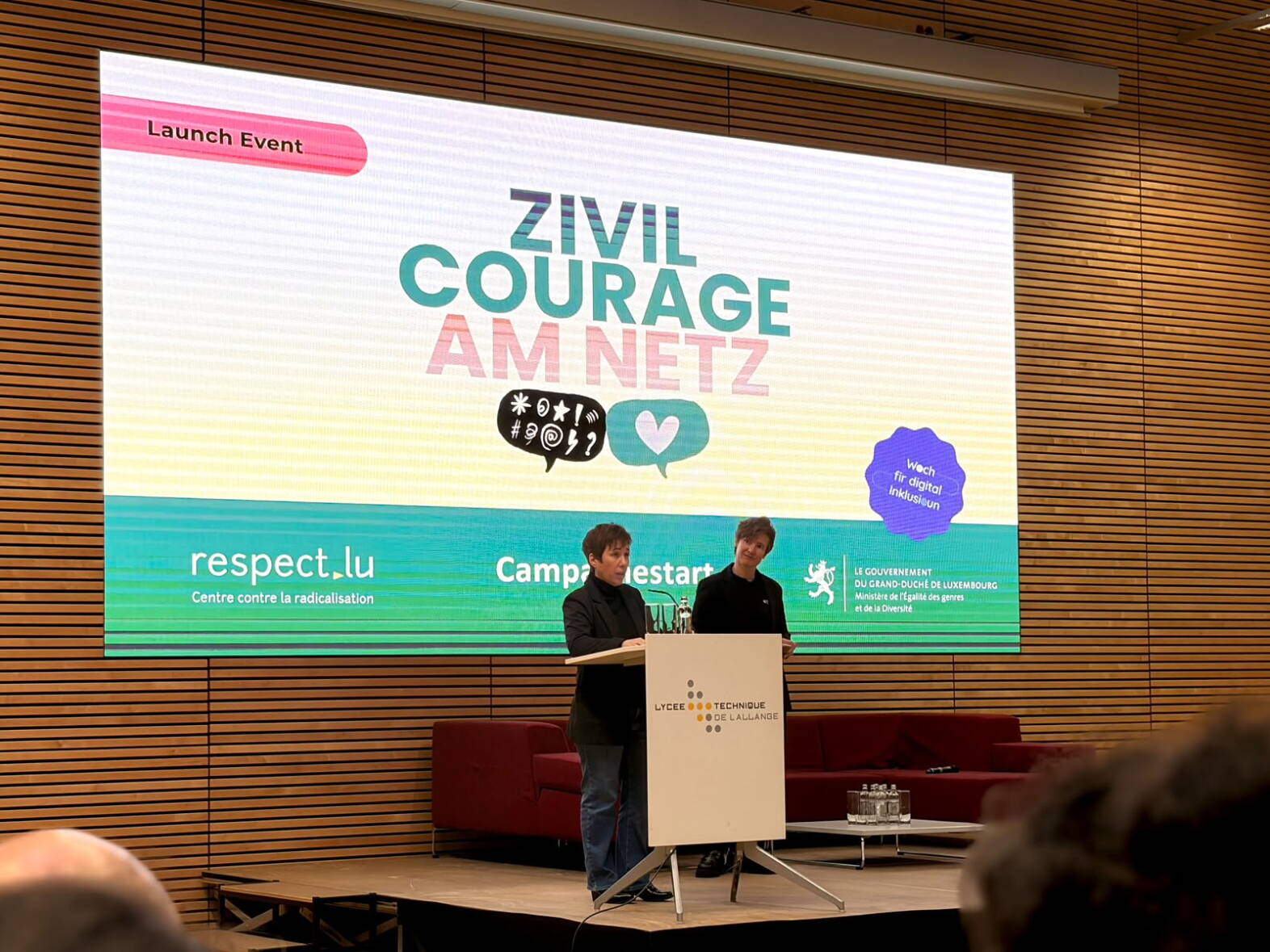
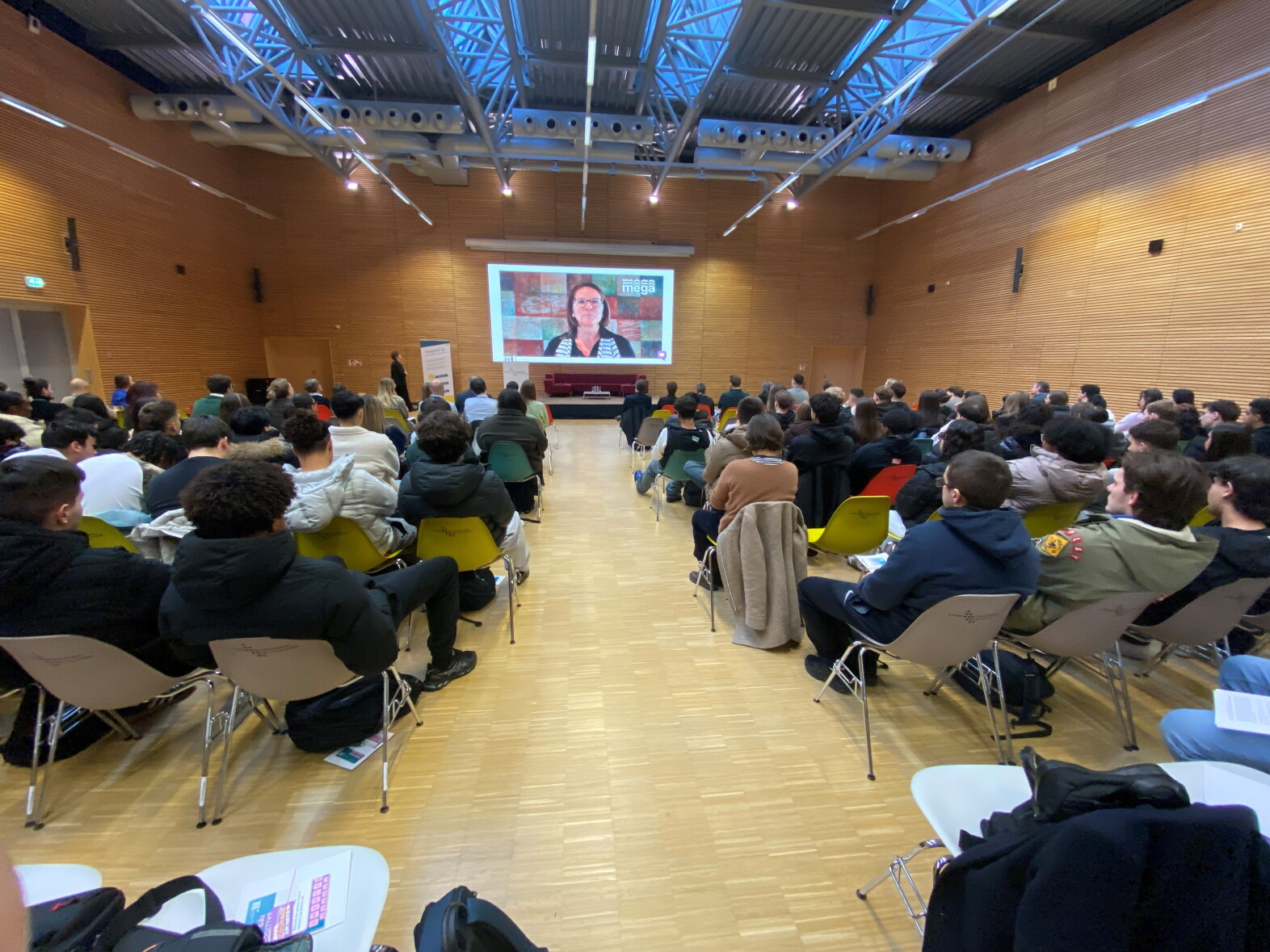
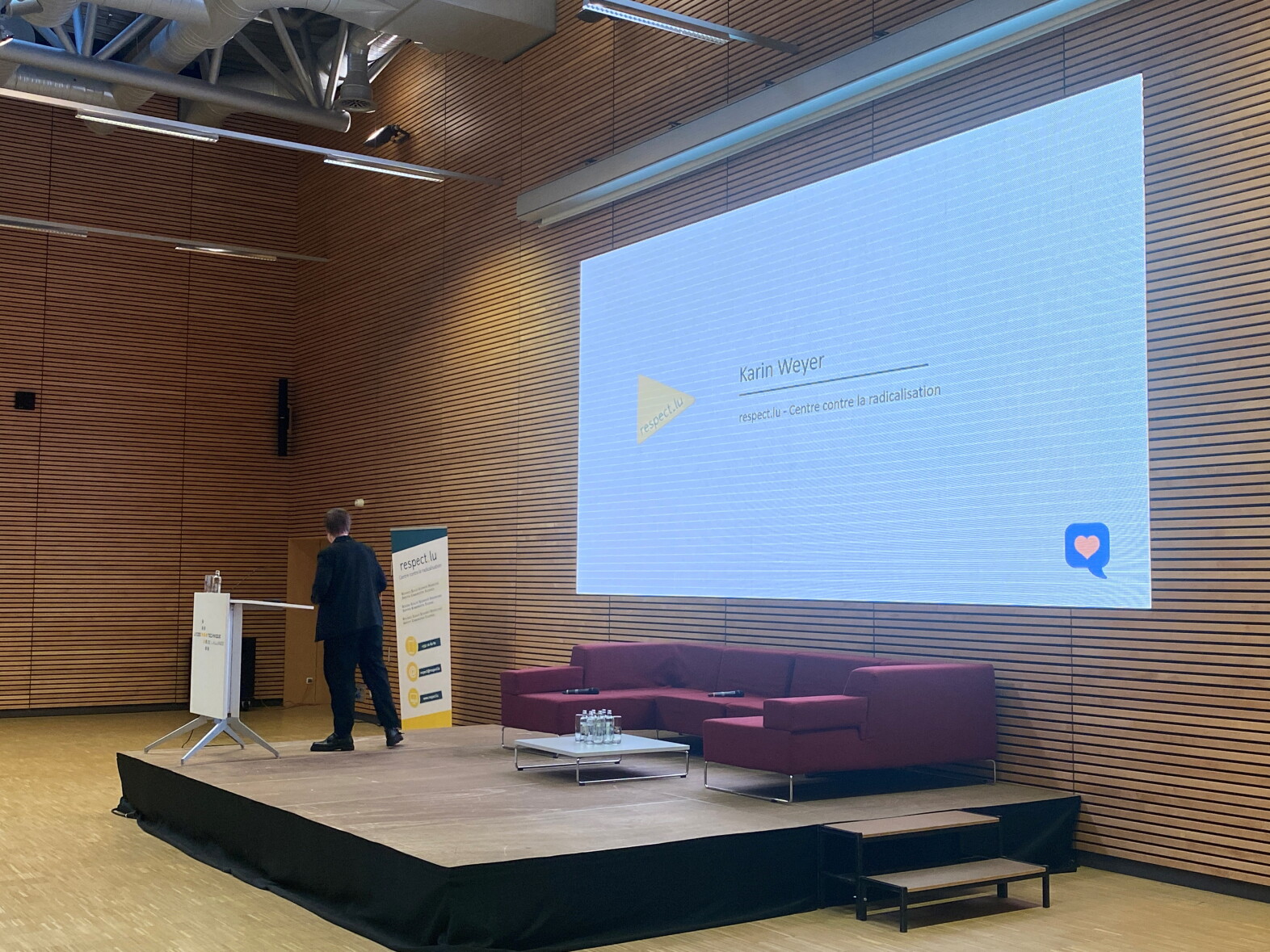
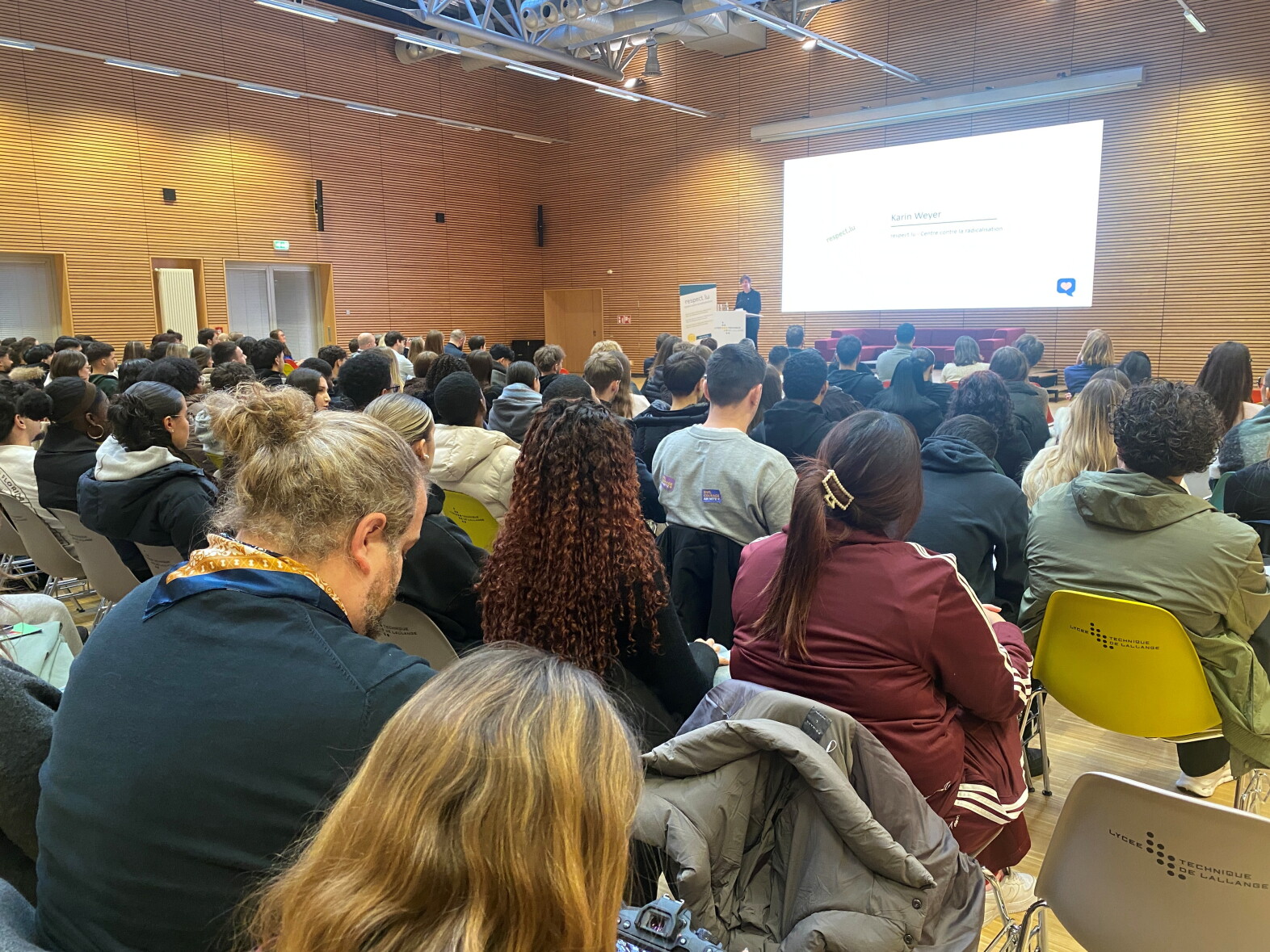
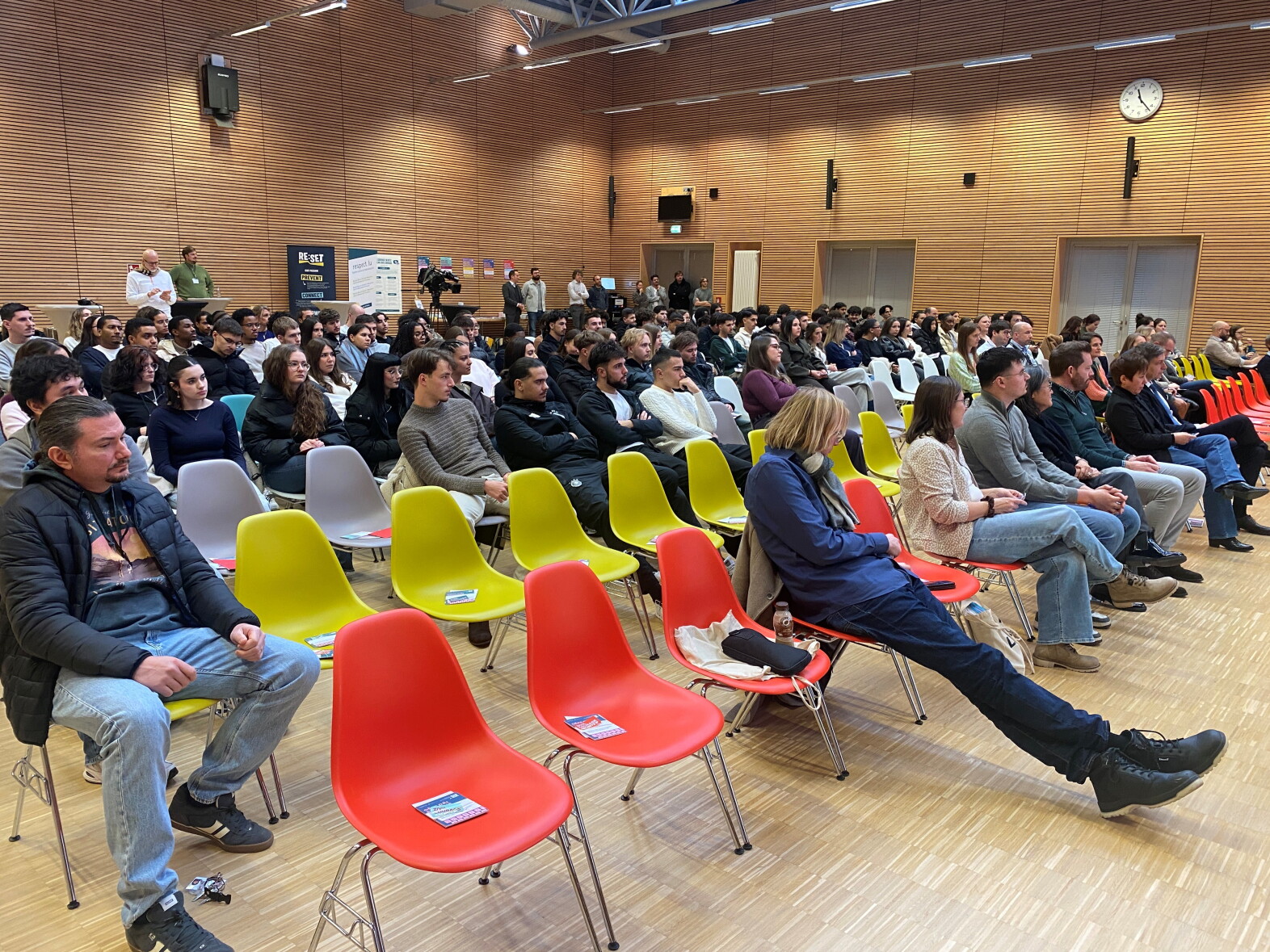
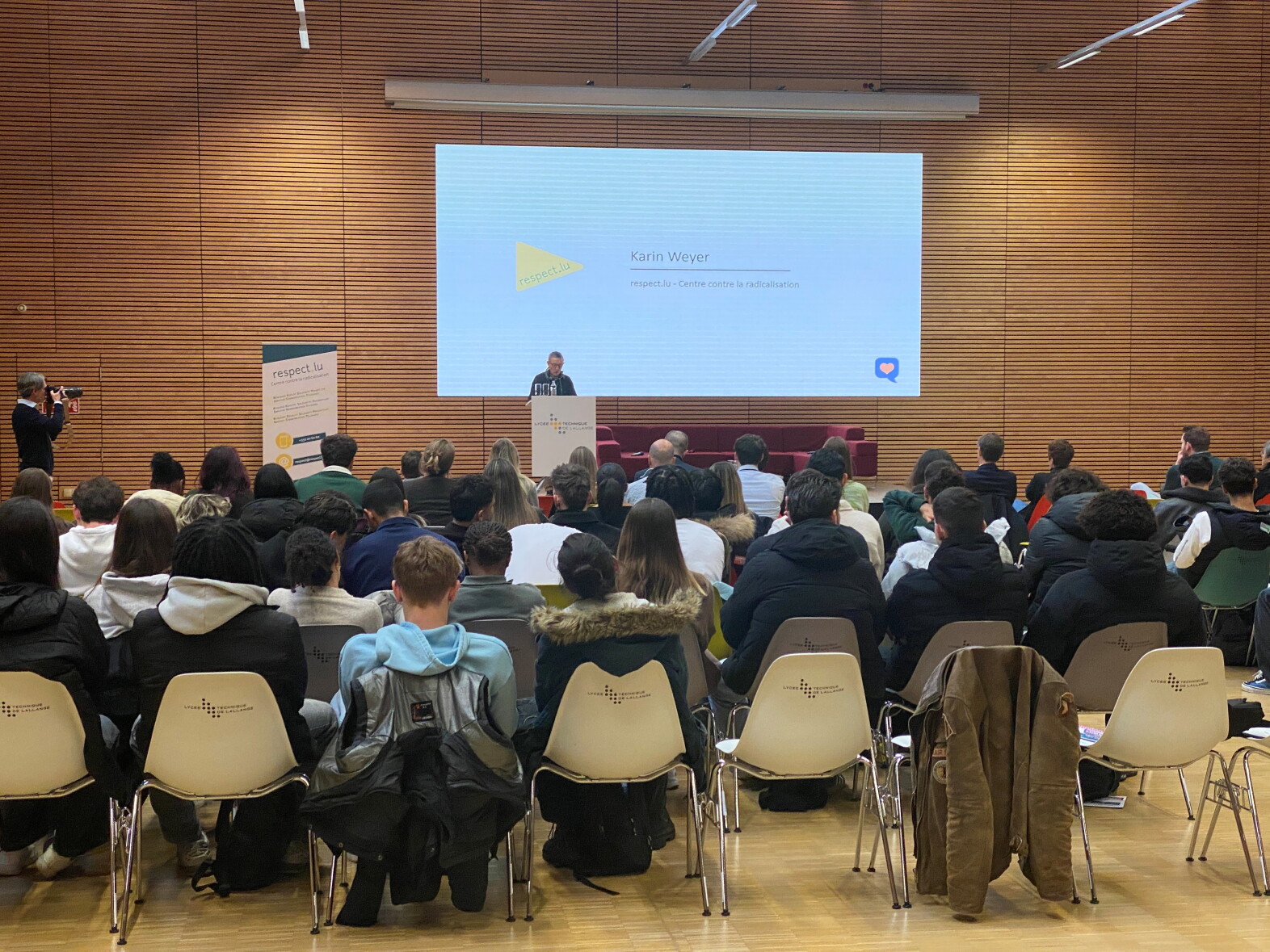


The campaign, launched as part of Digital Inclusion Week, now aims to encourage civil courage online. The initiative is designed to raise awareness among students at the Lycée technique in Esch-Lallange about the issue of hate speech and the power of responding positively.
Liz Freimann, coordinator at the anti-radicalisation centre Respect.lu, explained that there are several ways to respond to hate speech:
You can ask a critical question, such as 'What do you mean by that?' or make a moral appeal and say 'We don't want to interact like this, let's speak respectfully'. You can also counter with facts, which requires expertise, but the strategy we especially encourage is to leave a positive comment. This ensures that victims do not feel alone and demonstrates that many people hold positive and constructive attitudes.
Hate speech often targets minorities, but it is also frequently linked to current events. This raises the question: Where is the line between hate speech and freedom of opinion?
Karin Weyer, director of Respect.lu, points to the legal framework: attacks based on skin colour, religion, or sexual orientation are prohibited, but the project's ambitions go further.
"Our project doesn't just address illegal content, but also what we call 'awful but lawful' – things that are objectionable but not prosecutable. Just because something isn't illegal doesn't mean you can't say online that it's not acceptable", Weyer emphasised.
For the anti-radicalisation centre, it is clear that social networks are not doing enough to combat hate speech. Sometimes Luxembourgish is not recognised by moderation systems, but in other cases, economic considerations may lead platforms to leave hateful content online.
In Luxembourg, when reporting via the platforms themselves is ineffective, individuals can contact the police or use Bee Secure's 'Stopline'. Last year, more than 700 comments were reported to the Stopline, with over 430 of those cases being referred by staff to the police.