Last week, the municipality of Tandel marked the 20th anniversary of its merger with a celebratory event attended by local politicians and residents.
Both groups expressed positive views on the unification between Bastendorf and Fouhren. This milestone in Tandel served as a reminder to look at the broader picture: How have municipal mergers progressed across Luxembourg over the past 20 years, and what lies ahead?
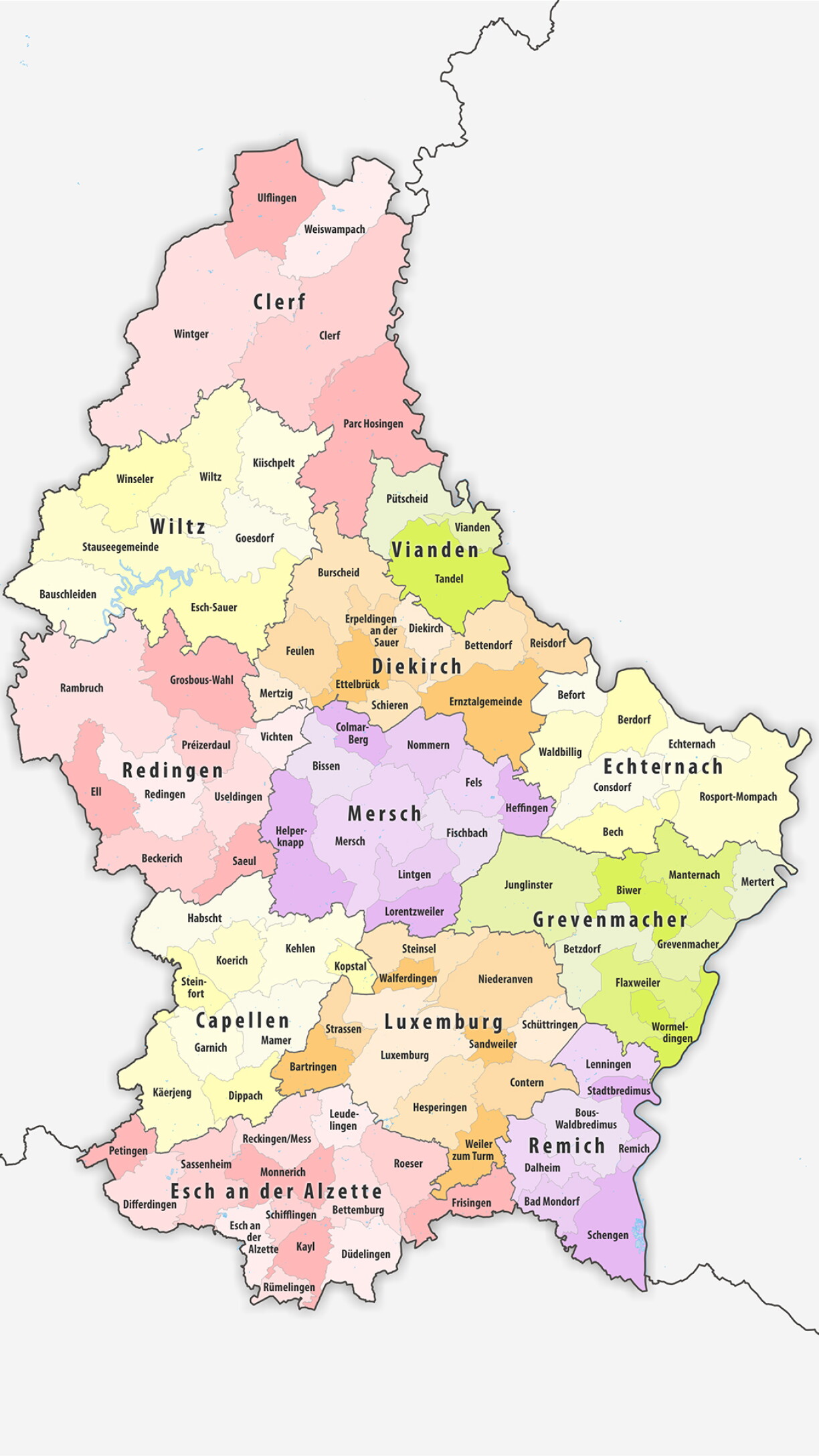
Luxembourg currently has 100 municipalities. This is a reduction from the 118 that existed in 2006, following a series of mergers over the past two decades.
For context, the German Saarland, a region of similar size with a population of one million, has just 52 municipalities, though their responsibilities differ from those in Luxembourg.
In Luxembourg, the process of reducing the number of municipalities has been gradual: Since 2006, there have been 14 municipal mergers, with most involving two municipalities and four cases involving three, namely in Clervaux, Esch-sur-Sûre, Hosingen, and Schengen.
A notable trend is that the pace of mergers has slowed in recent years. Since 2016, only five mergers have taken place, each involving just two municipalities.
Emile Eicher, President of the Association of Cities and Municipalities (Syvicol) and former mayor of Munshausen and Clervaux, advocates for a participatory approach based on his own experience.
He is convinced that resident involvement is essential to the success of mergers. Including residents from the outset, listening to their ideas, and working collaboratively tends to produce projects that enjoy broad support within the community.
In his view, engaging with the population allows for a wider range of options and increases the likelihood that new initiatives will reflect the needs and aspirations of local people.
He also stresses that top-down pressure from the state is counterproductive. Any real impetus for mergers, he argues, should come from citizens themselves, who can then encourage their local representatives to pursue the idea.
Nevertheless, Eicher acknowledges that the state has an important supporting role, not just in terms of funding but also by providing administrative resources to help implement the often complex and resource-intensive merger process.
Support from various ministries is, in his view, indispensable for successful outcomes.
On these points, Eicher and Interior Minister Léon Gloden agree: Both favour encouraging mergers through support rather than compulsion.
Gloden underlines that the coalition agreement stipulates a positive, non-coercive approach to municipal mergers, with local autonomy taking precedence.
The initiative for any merger should come from residents and municipal authorities themselves, not be imposed from above.
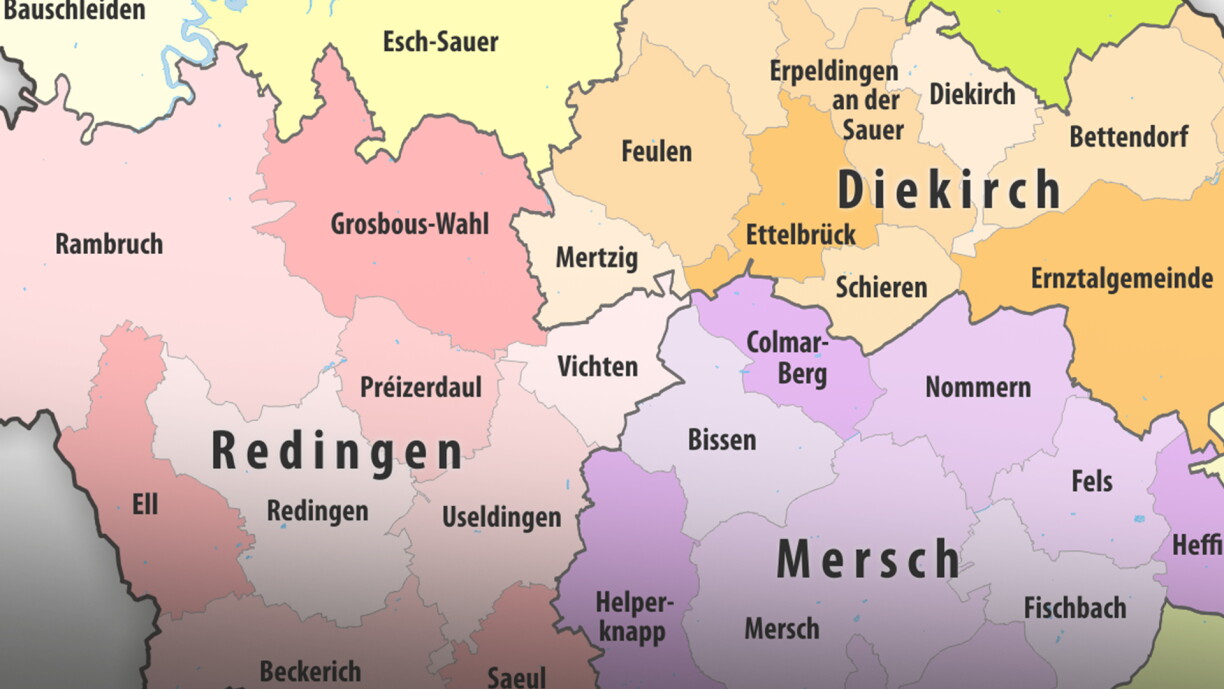
He is hopeful that the Nordstad merger, which brings together Diekirch, Ettelbruck, Erpeldange-sur-Sûre, and Schieren, can provide fresh momentum for the process nationwide, while a smaller project involving two municipalities in the north is also under discussion.
The Ministry of Home Affairs, he says, aims to act as a partner and guide for municipalities throughout the process.
Financial support remains a central issue in the current Nordstad negotiations. The councils of the four Nordstad municipalities have jointly demanded €10,000 per resident from the state, which would amount to approximately €220 million in total.
Gloden acknowledges that finances are a key factor, alongside other important aspects to be considered in merger talks.
While the municipalities are seeking a significant financial package, he believes a balanced and realistic agreement can be found and remains optimistic that a consensus will be reached.
A referendum on the proposed Nordstad merger is scheduled to take place by the end of next year, which would allow citizens to vote on the unification.
Elsewhere in Luxembourg, merger discussions are also ongoing. Talks between Boulaide and Esch-sur-Sûre are progressing, with both municipal councils set to vote on Thursday on whether to hold a local referendum in 2025.
The decision is expected to be positive, meaning that residents could be consulted before the summer break next year.
Asked about the ideal number of municipalities for Luxembourg, neither Eicher nor Gloden would put forward a precise figure.
For reference, in the 2018 election campaign, then Christian Social People’s Party (CSV) lead candidate Claude Wiseler proposed reducing the number to 60 by 2029, which is a goal that now appears distant.