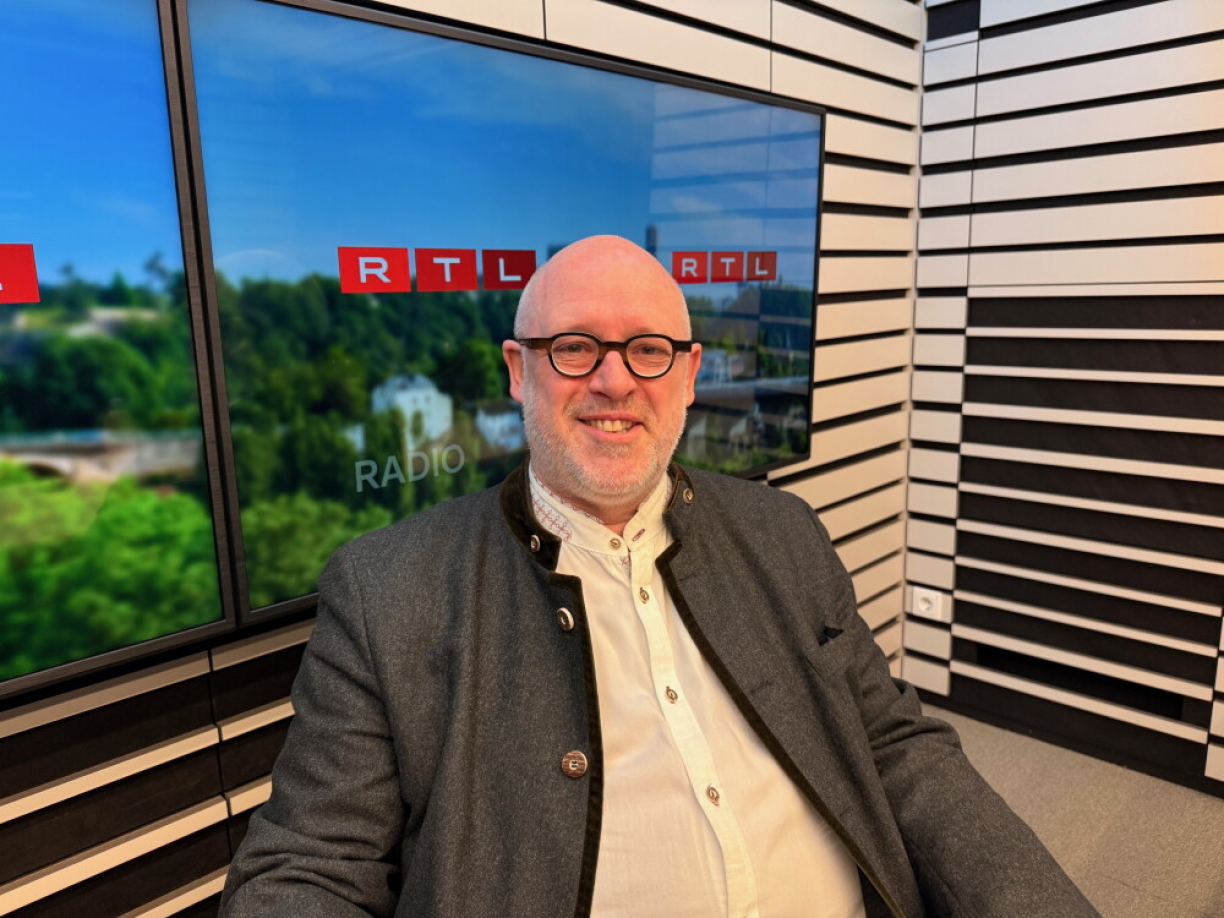
The legal framework governing dentistry in Luxembourg is outdated and increasingly difficult for practitioners, according to Dr Carlo Ahlborn, President of the Cercle des médecins-dentistes.
Dentists are bound by convention to a system of fixed tariffs, offering them "zero freedom to work independently."
Unlike hospitals, where infrastructure and staff are funded through taxpayer money and social contributions, dentists must cover all practice costs out of their own pockets. Dr Ahlborn argues that this model is becoming financially unviable.
The average annual turnover for a dentist in Luxembourg stands at around €330,000, a figure that has barely changed over the past 10 to 15 years.
Approximately 70% of this income goes directly to covering practice expenses, leaving just €100,000 before social charges and contributions are deducted.
Yet the investment required to set up a single treatment chair can reach €625,000, Dr Ahlborn explains. "And at that point, you still don’t have an apartment, any staff, or even patients", he adds.
For young dentists, these financial barriers make it extremely difficult to secure a bank loan and start their own practice.
Luxembourg now counts roughly 140 dentists per 100,000 inhabitants. In 2012, the number was 87. Dr Ahlborn notes that, in theory, 80 would suffice for this population.
He describes Luxembourg’s system as unique in Europe: The combination of fixed tariffs and high demand attracts both young dentists and investors, but this creates risk. "Investors establish structures, and then exploit those who can no longer afford to finance a practice themselves", he warns.
Dr Ahlborn criticises what he describes as a political denial of the problem.
At the General Assembly of the Cercle des médecins-dentistes on Wednesday, 18 November, none of the invited ministers attended. Minister of Health Martine Deprez had a prior engagement at the Philharmonie.
Only a few representatives from the National Health Fund (CNS), and individual members from the Alternative Democratic Reform Party (ADR) and déi Gréng (The Greens), were present.
Dr Ahlborn insists that political action is needed to address dental practice funding, and believes the National Health Fund cannot act until politicians acknowledge the underlying issues.
He highlights the contrast between hospital and private practice financing. In hospitals, all costs are covered, and doctors have fixed tariffs.
However, outside, they receive no support for their installations, despite their tariffs also being fixed. "We are not truly independent professionals; we are pseudo-independent", he says. The system has turned independents into dependents and, according to him, politicians must recognise the need for change.
He emphasises that the debate on funding must focus on ensuring patients continue to receive the treatments they require.
As vice president of the Luxembourg Association of Doctors and Dentists (AMMD), Dr Ahlborn rejects claims that the association broke off dialogue with the health minister.
He affirms "never leaving the table" and insists that the AMMD has clearly stated its concerns and now expects constructive discussion and concrete steps forward.