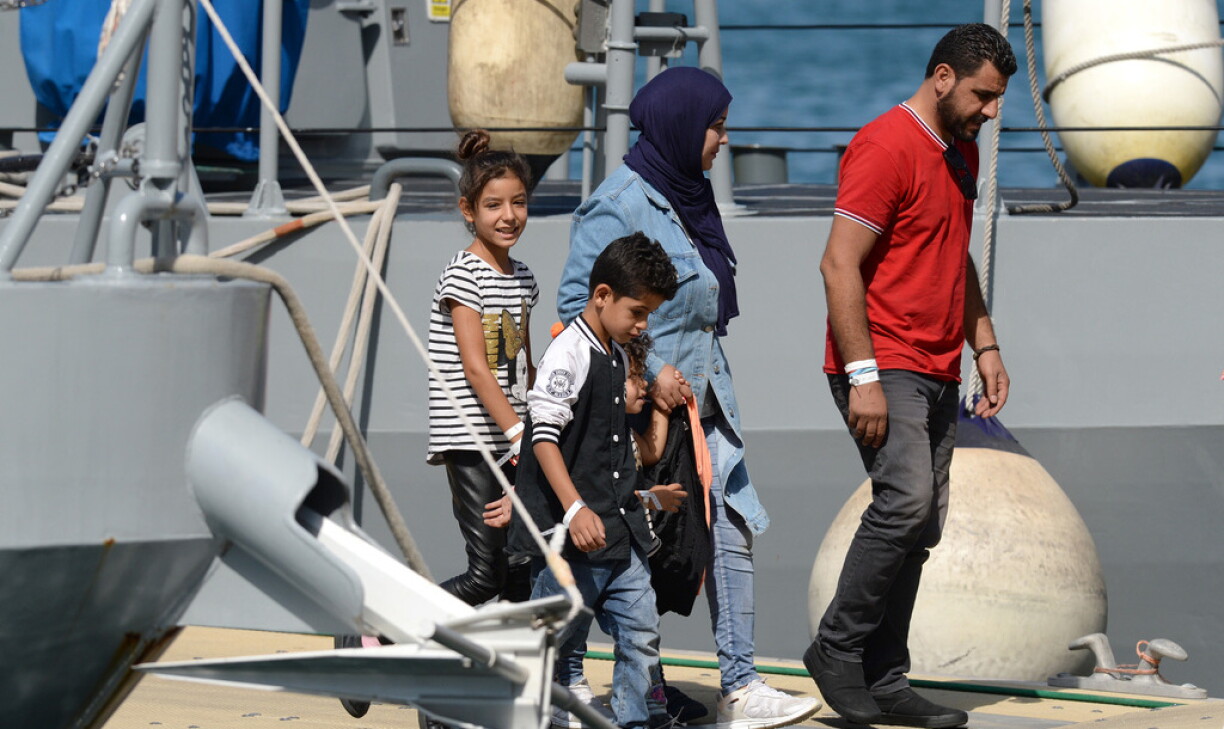
The small Mediterranean island nation of Malta had refused to let the ships dock out if fear that they would have to bear the burden alone.
After a couple of days, the two ships carrying a total of 49 refugees were finally allowed to moor.
An agreement was reached between 8 EU member states to redistribute about 220 refugees who were rescued off the coast of Malta. Luxembourg has agreed to welcome 6 refugees from Africa.
Only seven other EU countries agreed to help out: Germany, Portugal, France and Italy among others.
The president of the parliamentary foreign and cooperation commission Marc Angel (LSAP) called the move a logical measure. He said that Luxembourg could hardly preach solidarity to other countries and not step up to the plate itself. This would have been an impossible contradiction.
This sentiment was echoed by all the other parties as well. CSV MP Claude Wiseler added that it is finally time for a more global, European solution to the issue and lamented that EU politics are still far away from reaching a common policy of solidarity.
Sven Clement of the Luxembourg Pirate Party agreed and said that it should not be the case that EU ministers need to convene each time a person gets rescued from the Mediterranean Sea. Every person is worth saving, which is why the Luxembourg Pirate Party called for more humane EU policies.
Djuna Bernard of The Greens commented that Luxembourg did its duty as an EU member and that the spirit of inclusivity is what makes Luxembourg special.
According to Bernard, welcoming half a dozen people is the least Luxembourg could have done. She stated that Luxembourg would have to continue taking on an active role in getting other EU members to the table.
DP fraction leader Eugène Berger shares the belief that a comprehensive solution can only be found if all EU members take part.
In early February, Foreign Minister Jean Asselborn will present a report on Luxembourg's 2018 immigration policies.
The report is expected to bring the issue of immigration to the forefront again.





