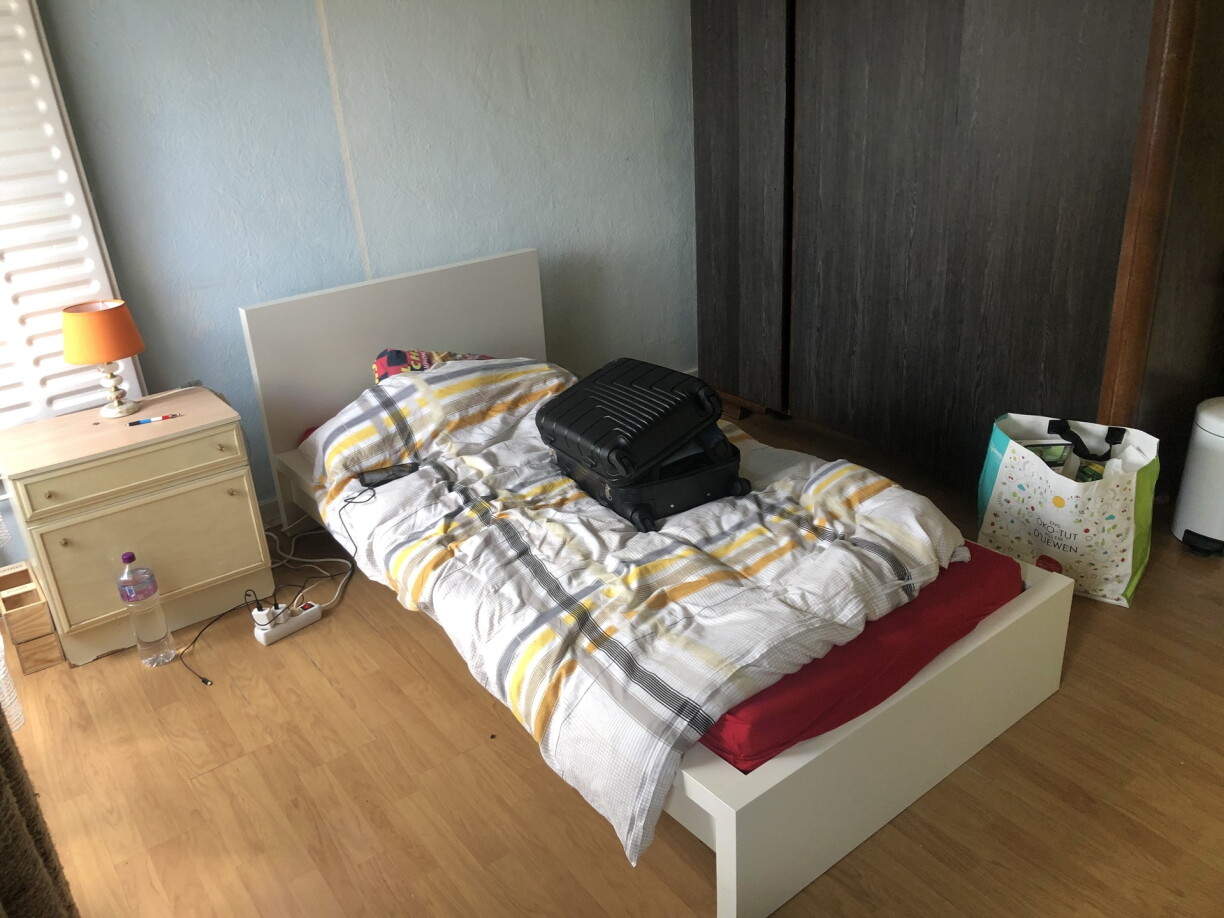
In response to a question from RTL on whether it is legal to rent out eight rooms at €900 each in an old, unrenovated house, the Ministers of Home Affairs and Housing state that they could not comment on the matter without knowing the specific investments and characteristics of a building.
They pointed to the 2006 law on rents, which sets out a series of coefficients for calculating a maximum rent based on invested capital. According to the joint written response, the principle of invested capital provides that the annual rent cannot, in principle, exceed 5% of the capital invested in the property.
Take the example of an eight-room flat advertised at €900 excluding bills, as can be found on numerous websites: to charge that rent, the owner would have had to invest €1,728,000. The letter notes that the calculation takes into account not just the purchase price, but also the land value, the cost of renovations, and other investments.
The assessment is always done on a case-by-case basis, the letter adds, and, in the event of a dispute, can be reviewed by the relevant rent commission and the Justice of the Peace Court, the ministerial letter reads.
The catch, however, is that if room rental prices are never declared by the tenants concerned, they cannot be subject to inspection in the first place.
In a recent series of articles, the National Association of Social Workers and Graduate Nurses (Anasig), warned that some situations tenants find themselves in are so precarious that they are afraid to challenge excessive rents or deplorable hygiene conditions.
Social workers and municipalities are themselves reluctant to tackle the phenomenon because there are few alternatives on the rental market, and those affected could move from a difficult situation to an even more serious one, according to Anasig vice-president Jean-Michel Campanella.
In terms of how many people are affected, the ministries hold no figures or statistics on so-called café rooms or furnished rooms, despite hundreds of listings on various websites. They have no information on how many people live in such accommodation, nor on the number of children involved.
The authorities say municipalities are responsible for monitoring and enforcement, a point that Housing Minister Claude Meisch also made in a recent interview with RTL.
Some rules are set by law, notably the 2019 housing habitability regulations. According to the joint response, the provisions the Housing Ministry intends to amend through a draft bill, in consultation with working groups by 6 September, still need to be reviewed.
A recent discussion in the relevant parliamentary committee suggested that municipalities' inspection powers could be strengthened while the underlying criteria themselves could be relaxed.
The rationale is that excessively strict rules may leave some people with nowhere to live.Similar concerns had previously been raised on RTL, although in more cautious terms.