
Luxembourg's car market recorded record figures the last five years. The country witnessed 46,473 new registrations in 2015 and, rising to 55,008 registrations in 2019.
The growth of the sector was violently interrupted by the outbreak of the pandemic. In March 2020, new car registrations amounted to 2,789, Statec statistics show. This number stands in a stark contrast with the same month in 2019, when 5,621 new registrations were made.
The slumping numbers do not only characterise Luxembourg. The entire European car market has witnessed a similar downward trend since March. According to figures released by the European Automobile Manufacturer's Association (ACEA), the number of registrations dropped from 1.2 million in March 2019 to 560,000 in March 2020.
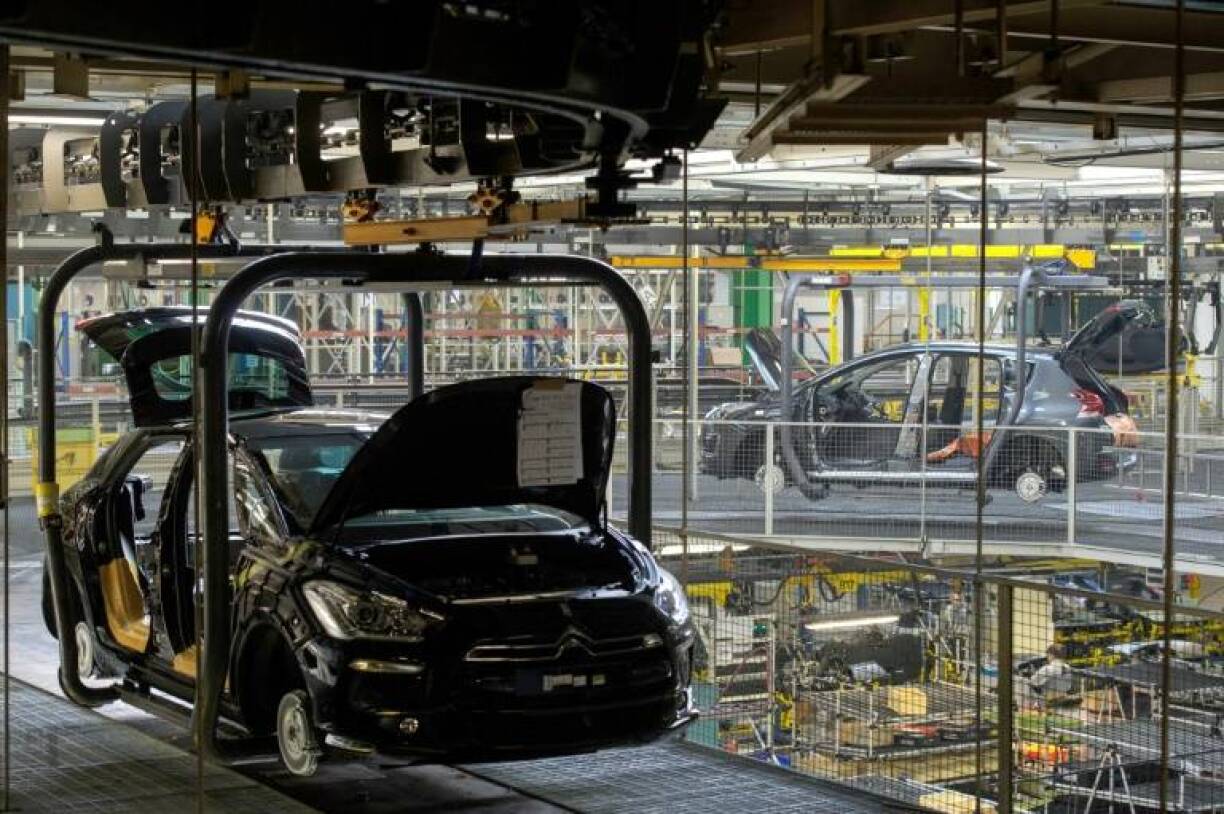
Febiac public relations officer Guido Savi explained in a statement that the pandemic will undeniable have a violent impact on the automotive industry. "In Europe, more than 1,150,000 people are affected by the closure of factories," Savi stressed. He specified that this number only included employees working in the production and assembly of cars, light commercial vehicles, trucks, and buses. The automotive sector employs more than 13.8 million people in Europe.
The crisis has also interrupted key supply chains, which means than factories will produce nearly 2 million fewer vehicles.
Several car manufacturers such as Toyota, VW, Volvo, and Renault have recently announced that production would gradually resume. German car dealers reopened their doors on 20 April.
The Grand Duchy's automotive sector is gradually returning to normal.
Activities like "the delivery of vehicles, replacement of tires, maintenance, breakdown services, and urgent repairs" are currently authorised if strict health security measures are respected, Febiac explained.
Car dealers are currently involved in discussions with the government to debate a potential lifting of restrictions. They hope that showrooms may be able to reopen soon, Febiac concluded.