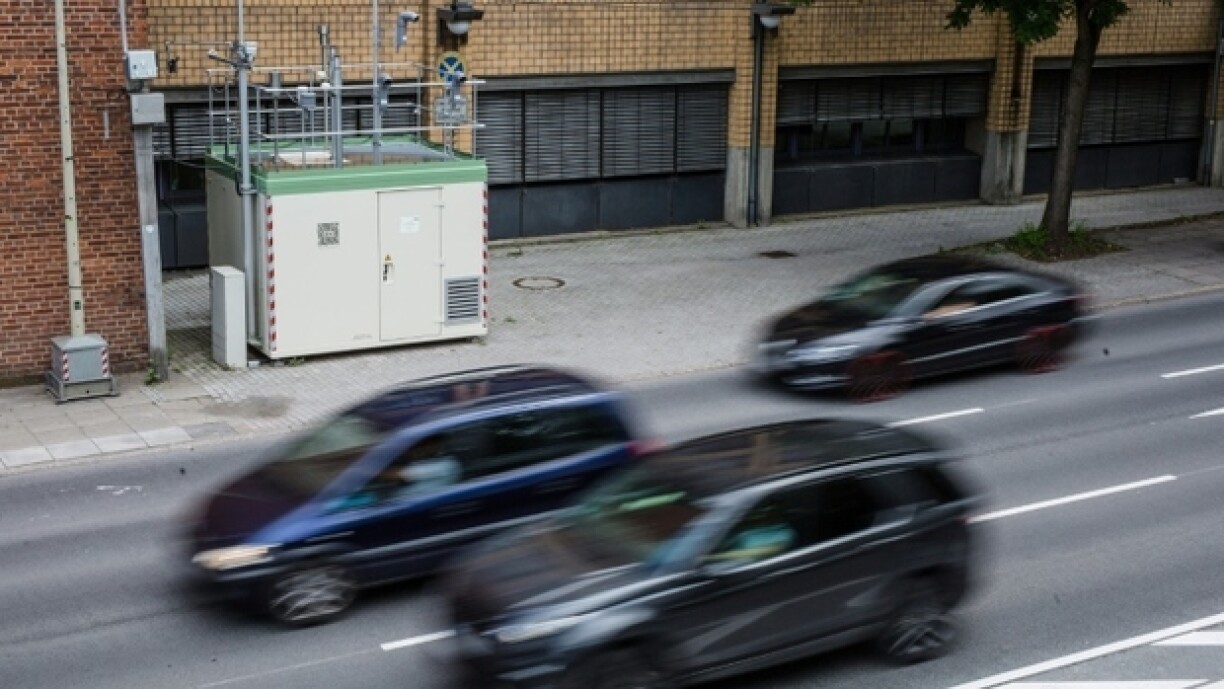
This question has been raised by many countries at the moment: will the reduced activities of the lockdown have a positive impact on air quality?
In fact, numbers of nitrogen dioxide have dropped, especially in the so-called hotspots, but not those of dust particles in the air. David Glod from the department of environmental management explains:
"Nitrogen dioxide, or NO2, arises from the burning of fossil fuels, which is different from pure dust particles that can originate in nature."
The circulation of these gases can have a negative impact on human health, especially the respiratory system. The danger is more elevated in and around hotspots, which are known to have higher concentrations of NO2.
In Luxembourg, the capital and Esch are considered to be such spaces, and figures have in deed dropped since the beginning of the outbreak.
Pure dust particles however, have mostly remained unchanged. The majority originates from private household utilities, industrial practices, or even nature itself, and are therefore equally distributed across the country.
Germany has experienced major discussions around the topic, since the numbers of dust particles in the air around hotspots have not yet declined. Some people consider this proof that the prohibition of diesel cars is unfair.
"This particular discussion often sees unrelated facts thrown together, especially in the realm of social media, where people tend to be less objective."
Whether the ban of diesel cars is adequate or not, is difficult to assess over such a short period of time. The issue has not yet been raised in the Grand Duchy.
Experts anticipate that the NO2 values around hotspots will return back to what they were before the lockdown, as soon as safety regulations will be lifted.
To achieve substantial change in that regard, a complete rethinking of human mobility would need to be in order.





