
Here are five things you should know at the end of this week:

Modernised teaching – Education Minister Claude Meisch presented his new curriculum reform plan to MPs on Tuesday, confirming that the updated framework will begin rolling out from the next academic year.
The reform, introduced at the beginning of February and discussed in detail before the Parliamentary Education Committee, will first apply to cycles 1 and 2, with cycles 3 and 4 following a year later. Rather than adding new standalone subjects, the reform integrates new priorities directly into existing lessons. The ministry says the aim is to modernise teaching in line with societal developments while ensuring greater consistency across schools.
Reflecting contemporary challenges – The new curriculum introduces seven cross-cutting themes, including artificial intelligence, media literacy, emotional and sex education, and financial literacy, which will now be compulsory for all pupils.
Previously offered through voluntary projects, these topics will now be embedded across subjects to ensure every child encounters them during their schooling. Meisch stressed that this guarantees nationwide coherence. The themes are designed to reflect contemporary challenges, with the "Life and Society" subject continuing to address questions of identity, empathy, and coexistence in an increasingly digital world.
Gilbert Busana, director of educational studies at the University of Luxembourg, warned that ignoring AI in the classroom would be a “disservice” to pupils. He argues that AI literacy must become part of everyday teaching, not as a substitute for independent thinking, but as a tool that supports critical reasoning and reshapes assessment methods.
Broadly positive response – MPs broadly welcomed the reform but raised questions about empathy education and continuity between primary and secondary schooling. CSV MP Paul Galles asked why the curriculum did not draw more inspiration from Scandinavian systems known for emphasising empathy and human development. Meanwhile, LSAP MP Francine Closener questioned whether a clearer common thread should guide students from early childhood through to secondary school.

Reform in 2028 – Speaking before a parliamentary committee on Wednesday, Wilmes confirmed that Luxembourg will align itself with the revised European framework after several EU states secured a one-year delay to avoid sudden fuel price shocks. Luxembourg’s current CO₂ tax stands at €45 per tonne, with a possible €5 increase still under discussion for 2027. Wilmes stressed that the country must move in step with its neighbours to meet climate targets, particularly in the transport sector.
EU ETS in a nutshell – The EU Emissions Trading System requires polluters to pay for greenhouse gas emissions, and the new ETS2 extends carbon pricing to buildings and road transport as part of the bloc's 2030 climate goals. The system hopes to cut covered emissions by 62% by 2030 compared to 2005 levels.
What it means in practice – The shift means Luxembourg's carbon pricing will be linked to EU market fluctuations rather than a fixed national rate, raising questions about fuel costs and cross-border competitiveness.
Wilmes cautioned that while current EU estimates also point to a carbon price of around €45, the market-based system makes future prices harder to predict. If fuel prices rise significantly compared with neighbouring countries, fuel tourism could resurface. At the same time, Brussels has pledged early stabilisation mechanisms to prevent excessive price spikes, seeking to balance climate ambition with economic stability.
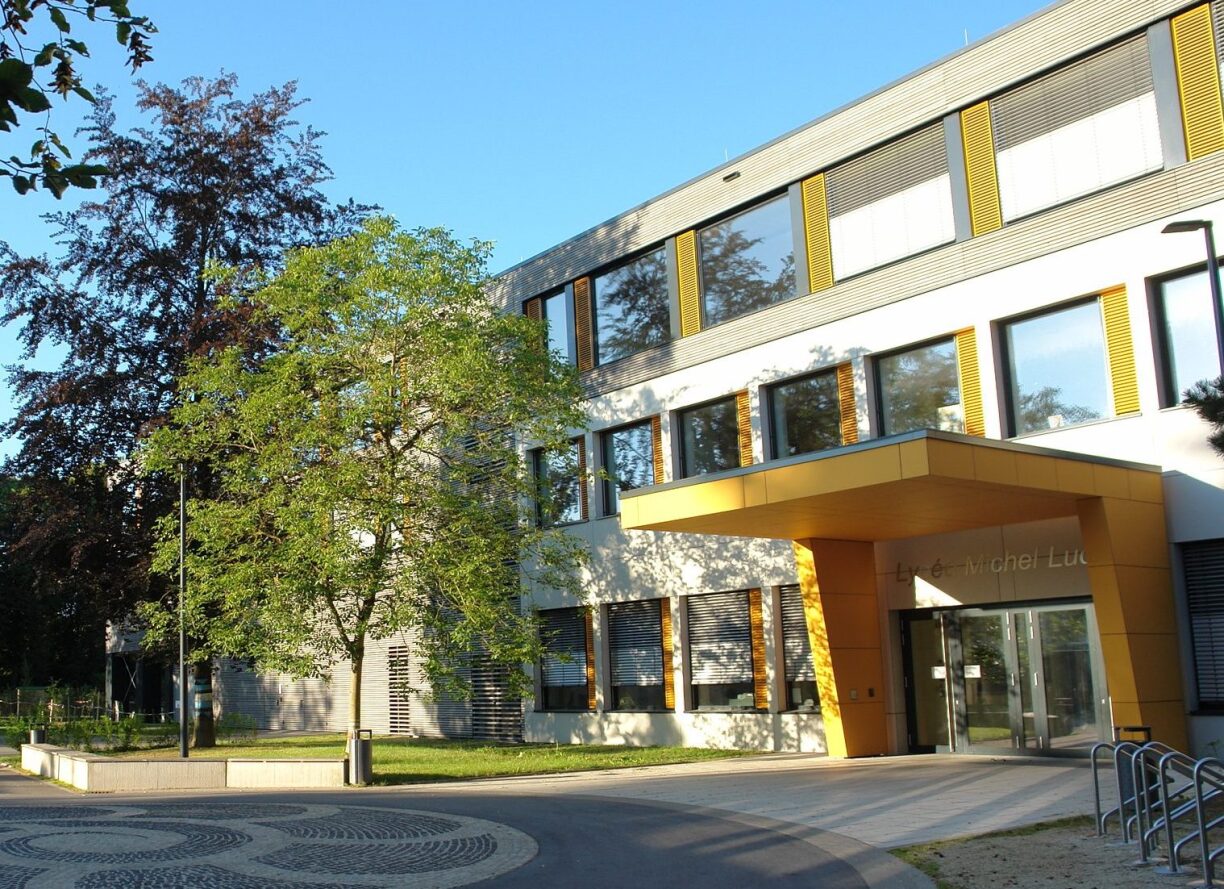
Argument escalates – A 14-year-old girl was placed in custody after allegedly stabbing a fellow student following an argument that began in the shared canteen of Lycée technique du Centre and Lycée Michel Lucius in Limpertsberg. The dispute escalated shortly after 12.15pm outside the school building, where one of the girls reportedly produced a knife and injured the other in a sudden attack.
The victim was hospitalised at the Centre Hospitalier de Luxembourg with non-life-threatening injuries, while the suspect fled the scene but was quickly apprehended by police. On the order of a juvenile judge, she was transferred to Schrassig prison, as the dedicated socio-educational security unit for minors in Dreiborn is currently full.
Investigations ongoing – The incident unfolded in broad daylight in a shared school environment and prompted an immediate emergency response. Police secured the area and recovered the weapon, while psychological support was offered to classmates through school management and the Psychosocial and Educational Support Service (SEPAS).
Authorities stressed that, given the age of those involved, no further details will be released at this stage. The investigation remains ongoing under the juvenile delinquency and child protection unit.
Structural shortcomings – In a statement sent out on Thursday, the public prosecutor’s office linked the case to broader structural shortcomings in youth psychiatric care. Officials warned that previously decided protective or therapeutic measures could not be implemented in time due to a chronic shortage of specialised places.
Deputy chief prosecutor Simone Flammang said the justice system has repeatedly alerted policymakers to deficits in mental health provision for minors, particularly since the pandemic, but that the issue has not been treated with sufficient urgency. She argued Luxembourg urgently needs expanded therapeutic and forensic psychiatric structures, as well as proper follow-up units, to prevent similar escalations in the future.
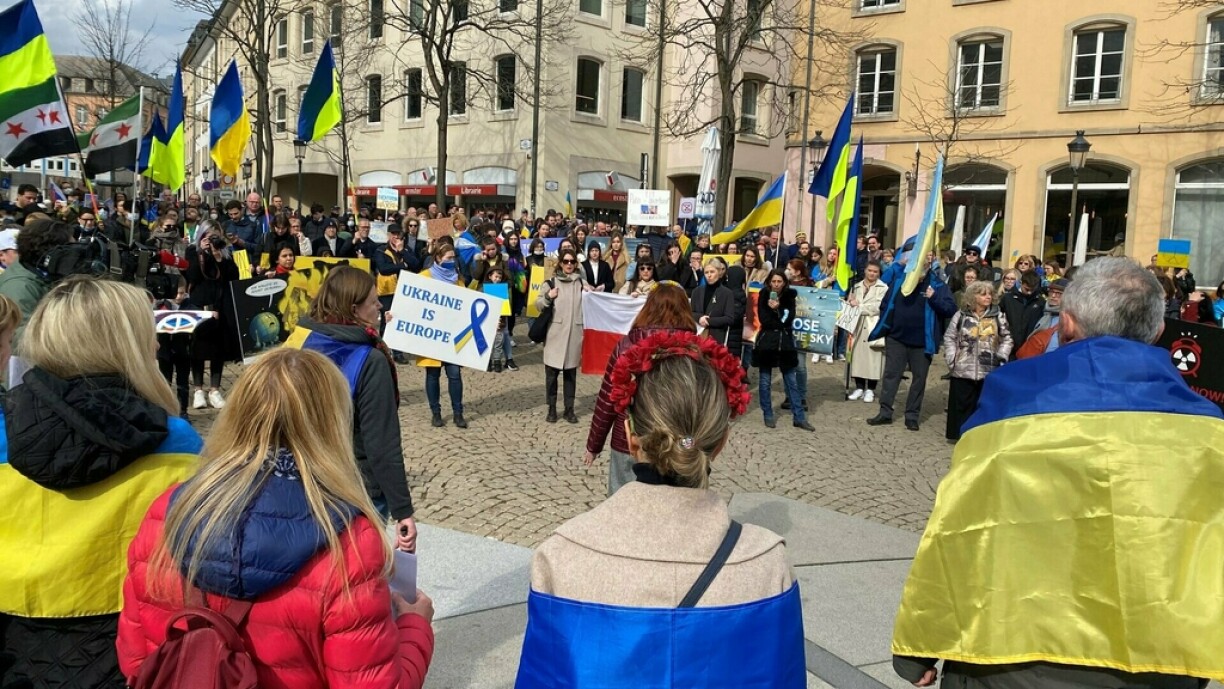
Somber anniversary – Tuesday marked four years since Russia invaded Ukraine on 24 February 2022, with President Volodymyr Zelensky standing alongside European leaders to underline that Ukraine remains unbroken.
Ahead of the anniversary, several hundred people gathered last weekend to express solidarity with Ukrainians, with children singing songs about their homeland and speakers highlighting the harsh conditions of everyday life in Ukraine.
Europe's bloodiest – When the Kremlin sent troops across the border in February 2022, it expected Ukraine’s government to fall within days and foresaw rapid control of the capital. Four years later, Moscow has conceded it has not achieved all its objectives, even as it vows to continue fighting.
While Moscow occupies roughly 20 percent of Ukrainian territory and the war has claimed hundreds of thousands of lives, Zelensky insisted that Russia has failed in its central aim of crushing Ukrainian resistance. Reconstruction costs are now estimated at nearly $600 billion over the next decade, and US-led peace efforts remain deadlocked over territorial demands. The war has become Europe’s bloodiest conflict since the Second World War.
Solidarity in Luxembourg – Marking the anniversary, Foreign Minister Xavier Bettel criticised what he described as a “cacophony” within the European Union, warning that internal divisions risk sidelining Europe from key peace negotiations. He argued that the EU must speak with one voice if it wants to remain relevant at the negotiating table, lamenting that Europe is currently absent from decisive talks despite the war unfolding on its doorstep. Without unity among its 27 member states, Bettel said, the bloc weakens its own influence at a critical geopolitical moment.
Turning to the refugee debate, Bettel acknowledged the difficult choices faced by Ukrainians, particularly military-age men seeking protection abroad. While some Luxembourg politicians have questioned whether such men should remain in the EU, Bettel said his “heart understands” those who leave, even as his “brain” recognises Ukraine’s need for manpower. He stressed that any decision to restrict temporary protection would have to come from Ukraine itself, as no formal request has been made to the EU.

Drug kingpin dead – Mexican special forces killed Nemesio “El Mencho” Oseguera, the 59-year-old leader of the powerful Jalisco New Generation Cartel (CJNG), during a military operation in the mountain resort town of Tapalpa in Jalisco state. Wounded in a shootout, he died while being airlifted to Mexico City, marking the fall of one of the country’s most feared and violent drug lords.
With a $15 million US bounty on his head, Oseguera had transformed the CJNG into a global trafficking powerhouse known for brazen attacks, including ambushes on security forces and even the downing of a military helicopter. His killing was carried out with intelligence support from the United States, though Mexican authorities stressed no US forces took part in the raid.
Retaliatory violence – Oseguera’s death triggered immediate and coordinated retaliation across Mexico, as cartel gunmen blocked highways, torched vehicles, attacked businesses and clashed with security forces in up to 20 states. At least 25 National Guard members were killed in subsequent fighting, alongside dozens of suspected cartel members, while schools, courts, and public transport were suspended in several regions.
Authorities deployed 2,500 additional troops to Jalisco as cities including Guadalajara emptied out, residents sheltered indoors and foreign governments urged their citizens to “shelter in place” amid fears of further escalation and a possible power vacuum within the cartel.
Tourist hubs in shock – The unrest spread to major tourist destinations, including the coastal resort city of Puerto Vallarta, long regarded as one of Mexico’s safer holiday hubs. More than 200 vehicles were burned and dozens of businesses vandalised, while smoke from burning cars darkened the skyline and frightened tourists took cover in hotels.
US and Canadian airlines cancelled dozens of flights, leaving travellers stranded, and several countries issued updated travel warnings. Local residents and business owners warned that the violence risks tarnishing Puerto Vallarta’s image as a winter haven for North American visitors, raising concerns about lasting damage to tourism and livelihoods.
Your Weekly Recap is published every Friday at noon.
Read earlier versions here.