The tax reform is due to be put to a vote in the Chamber on Wednesday. It introduces a single tax class, with the expectation that everyone will be better off financially as a result.
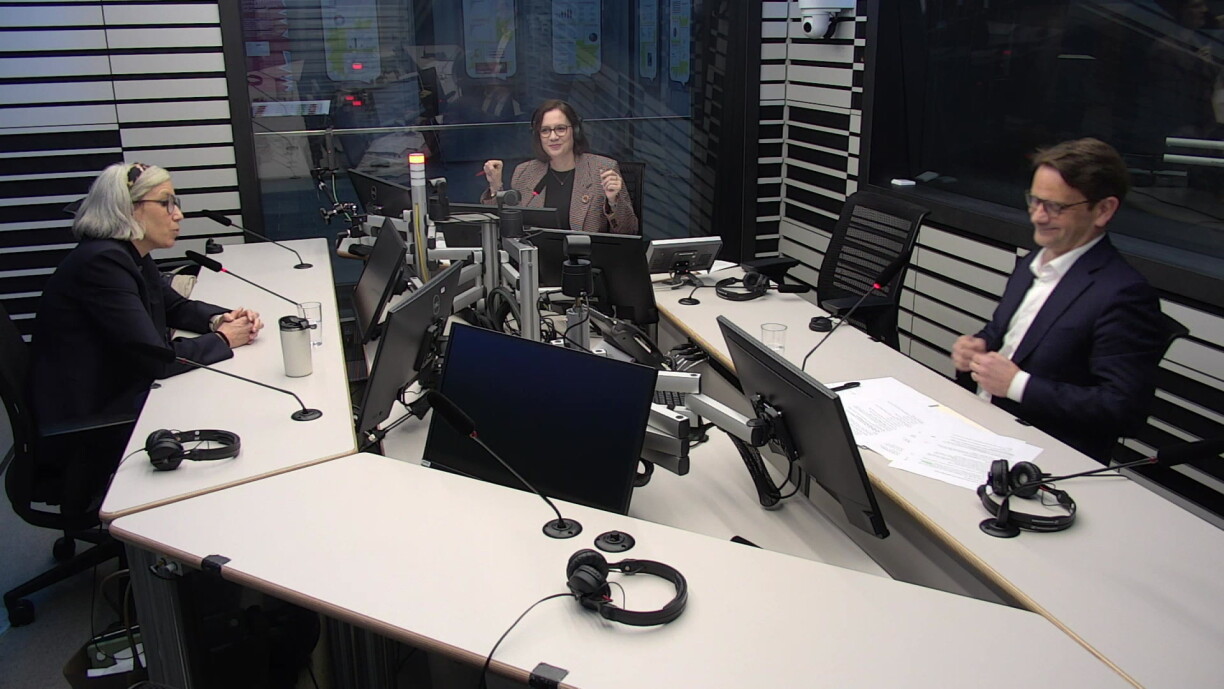
But is the reform fair relief, or does the austerity go too far? Laurent Zeimet, parliamentary group leader of the Christian Social People’s Party (CSV), and Sam Tanson, spokesperson for déi Gréng (The Greens) in the Chamber, went head to head on the question on RTL Radio on Tuesday morning.
Tanson said the Greens supported individual taxation in principle, but that too many aspects of the reform troubled them. For that reason, the party will vote against it.
In Tanson’s view, the reform is too expensive, costing up to a billion euros in lost tax revenue. The Greens also consider it socially unfair.
Lower earners, particularly those in tax class 1a, would receive too little relief, she argued, while higher earners would benefit as well and might barely notice they were paying less tax. Tanson believes more could have been achieved.
Zeimet countered that the government had promised to ease the burden on people, and that, in the CSV’s view, this reform delivers on that promise. An effort had been made to take everyone into account, he added.
Rather than simply listing what the reform leaves out, he said, people should also look at what it includes. For that reason, Zeimet noted, Déi Lénk (The Left) would also vote in favour.
He rejected the argument that single people would gain too little, saying the government had already taken steps to support them and that its measures had to be viewed as a whole.
Luxembourg still has a progressive tax system, he pointed out, in which those with broader shoulders continue to pay more. The two politicians were unable to agree on how much the reform would cost.
Another point of contention is the "Petite enfance" child allowance, which only applies to children up to the age of three. Zeimet responded that the government is also increasing child benefit and investing in childcare, and that all of this had to be considered as a whole.
Thursday also brings a tripartite meeting, at which a decision will have to be taken on how to proceed with the energy measures.
These expire at the end of the year. One sticking point: whether or not to extend the 5-cent fuel subsidy on petrol and diesel.
Zeimet held back on offering a position. That, he said, was what the tripartite was there for, and the government would have to come to agreement with the social partners. It is clear that the discount, he added, has taken effect.
For Tanson, subsidies on petrol and diesel send the wrong signal. She also quoted the government's energy commissioner, who had warned that the fuel rebate could have a negative impact on energy supply.
Cheaper fuel, she added, could also slow down the shift towards alternative technology. Financially, it would not bring in much either. The same could be achieved with other measures.