Here are five things you should know at the end of this week:
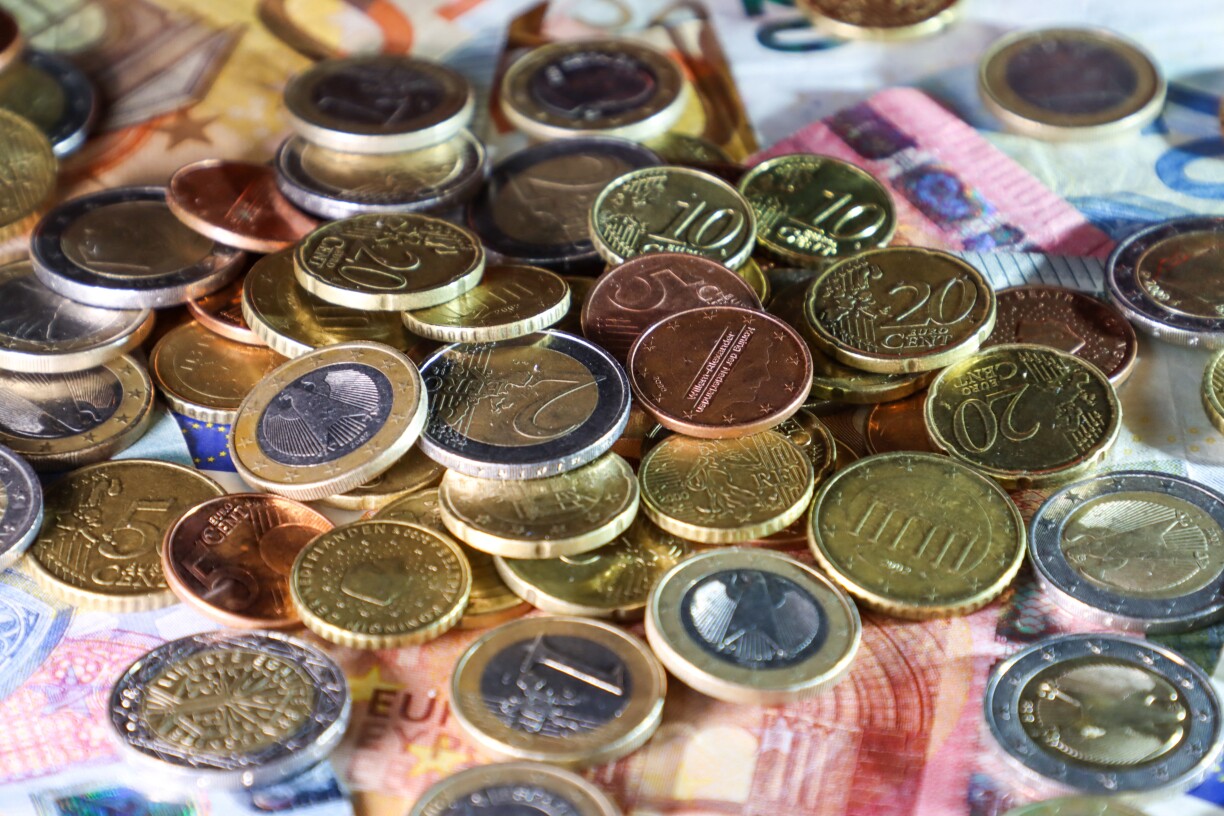
Automatic adjustment – Luxembourg is expected to trigger its next wage indexation by late June, as the national index approaches the threshold of 1038.79 points, currently standing at 1034.35. This mechanism, which adjusts wages and pensions in line with inflation, is automatically activated once the threshold is reached, meaning a trigger in the coming months is increasingly likely based on current projections.
2.5% bump – Once the indexation is triggered, salaries and pensions across Luxembourg will rise by 2.5%, providing a boost to household incomes. This adjustment is designed to preserve purchasing power in the face of rising prices, and applies broadly across the workforce as well as to pension recipients.
Persisting uncertainty – STATEC forecasts that Luxembourg's economy will grow by 0.6% in 2025, indicating a modest recovery compared to the previous three years, but still weaker than the stronger growth rates seen in the late 2010s. The institute also cautions that the outlook for 2026 remains uncertain due to a challenging international environment and potential inflation pressures, even as there are early signs of improvement in the domestic labour market.
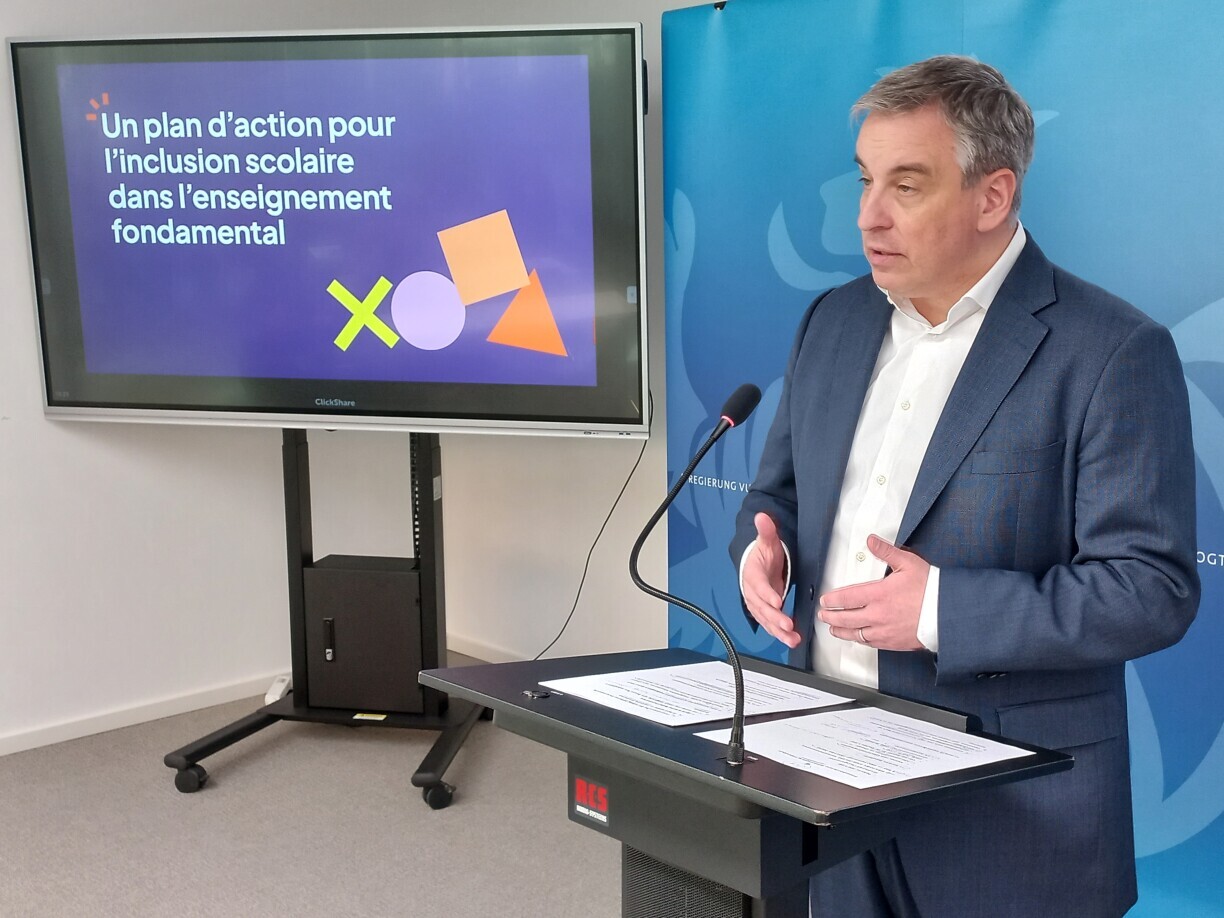
Revised approach – The plan builds on a significant expansion of the support system since 2017, with staff numbers rising from 645 to 1,902 by 2025 and the introduction of new specialist facilities. Despite this progress, authorities acknowledge that schools are facing increasingly complex situations, particularly linked to behavioural challenges, prompting the need for a more structured and responsive approach to inclusion.
Targeted support – A key element of the initiative is the creation of crisis teams that can intervene quickly in serious incidents within schools, ensuring timely and targeted support. This will be complemented by further recruitment of specialised staff and the development of additional support structures, including dedicated classes and socio-therapeutic centres designed to better address diverse and complex student needs.
Improved coordination – The ministry plans to strengthen collaboration among all stakeholders involved in a child's education, including teachers, parents, and external experts, supported by a new national service to assist families. At the same time, administrative processes will be streamlined through reforms and the introduction of an online portal, with the goal of making support measures faster, clearer, and more accessible.
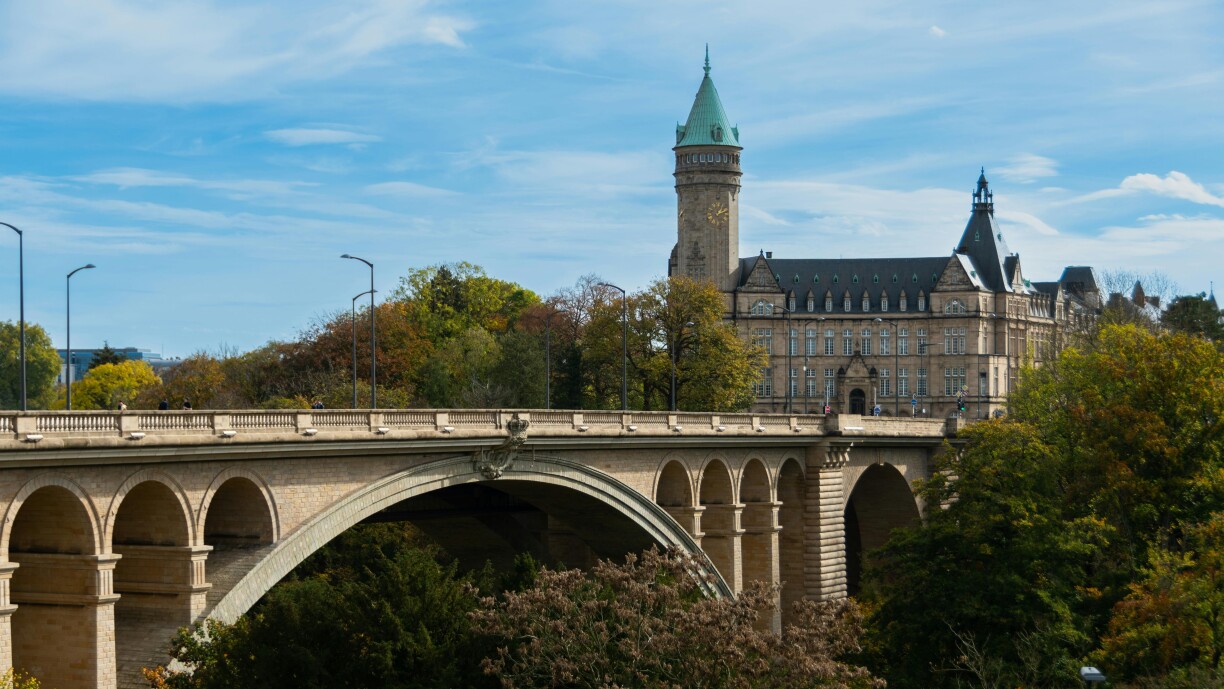
Sanctions trigger bank move – Luxembourg’s state-owned bank Banque et Caisse d'Épargne de l'État (Spuerkeess) decided to close two accounts held by the International Criminal Court after US sanctions raised concerns about potential repercussions for its business ties with the United States. These sanctions, introduced under Donald Trump, targeted ICC officials following arrest warrants related to Israeli leadership and investigations involving US personnel, creating a climate of financial and legal uncertainty for institutions dealing with the court.
Government defends decision – The Luxembourg government, represented by Finance Minister Gilles Roth, defended the decision by stressing that banks must follow strict regulatory and risk management frameworks. Roth argued that Spuerkeess acted in both its own interest and the broader financial interest by applying internal assessments, framing the issue as a technical banking matter rather than a political stance, even while acknowledging that the wider geopolitical situation was problematic.
Political backlash grows – Opposition figures, including MPs David Wagner, Sam Tanson, and Franz Fayot, strongly criticised the move, arguing that Luxembourg appeared to bow to US pressure and failed to uphold its commitments to an international institution. They warned that treating the ICC as a routine client could harm the country’s credibility, while others, such as MP Marc Goergen, called for greater transparency and accountability, even suggesting political responsibility at the level of Foreign Minister Xavier Bettel.
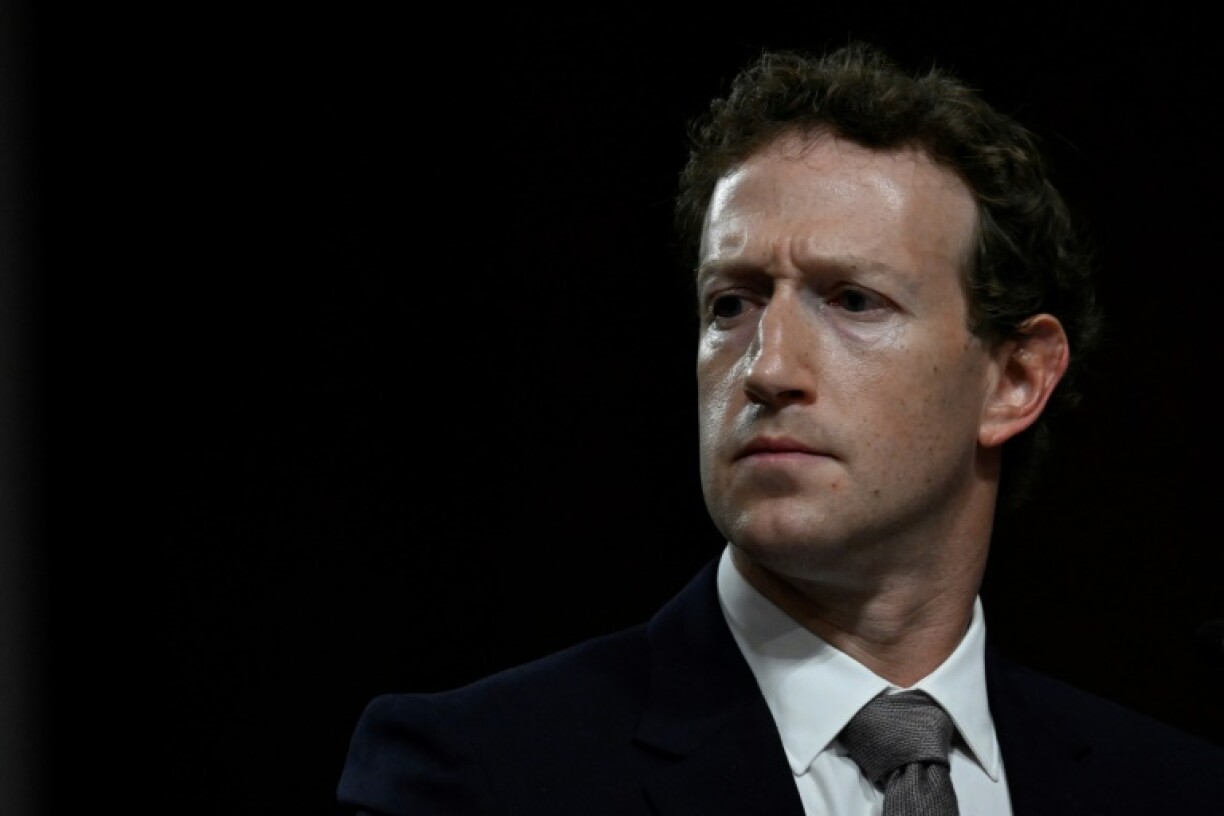
Landmark ruling – The case centred on a young woman who began using YouTube at six and Instagram at nine, with jurors finding that features like autoplay, notifications, and infinite scrolling contributed to compulsive use and declining mental health. The jury assigned most responsibility to Meta and determined both companies acted negligently, even adding punitive damages after concluding there was evidence of malice or misconduct. Families of affected teenagers and advocacy groups have also welcomed the verdict as a form of validation and a step towards greater accountability.
Legal ripple effect – Although the financial penalty in this case is relatively small for companies of this scale, the decision is seen as a “bellwether” moment, signalling how future juries may respond. With more than a thousand similar cases pending, the ruling could push tech firms towards settlements or force broader changes in how platforms are designed and regulated.
Pressure builds – The case also shows a shift away from relying on Section 230 of the Communications Decency Act, which usually protects platforms from being blamed for what users post, by instead focusing on how the platforms are built. Alongside growing legislative efforts in the US and internationally to protect minors online, the verdict raises the prospect of enforced product changes that could challenge the core ad-driven business models of social media companies.
The childhood they deserve – In the UK, hundreds of teenagers will take part in a government-backed trial testing social media bans, night-time curfews and daily time limits, as ministers explore stricter protections for young users. The move comes amid growing political pressure, including calls to ban platforms for under-16s, and follows similar action in Australia, as countries – including Luxembourg – look for ways to reduce the impact of social media on children's wellbeing.
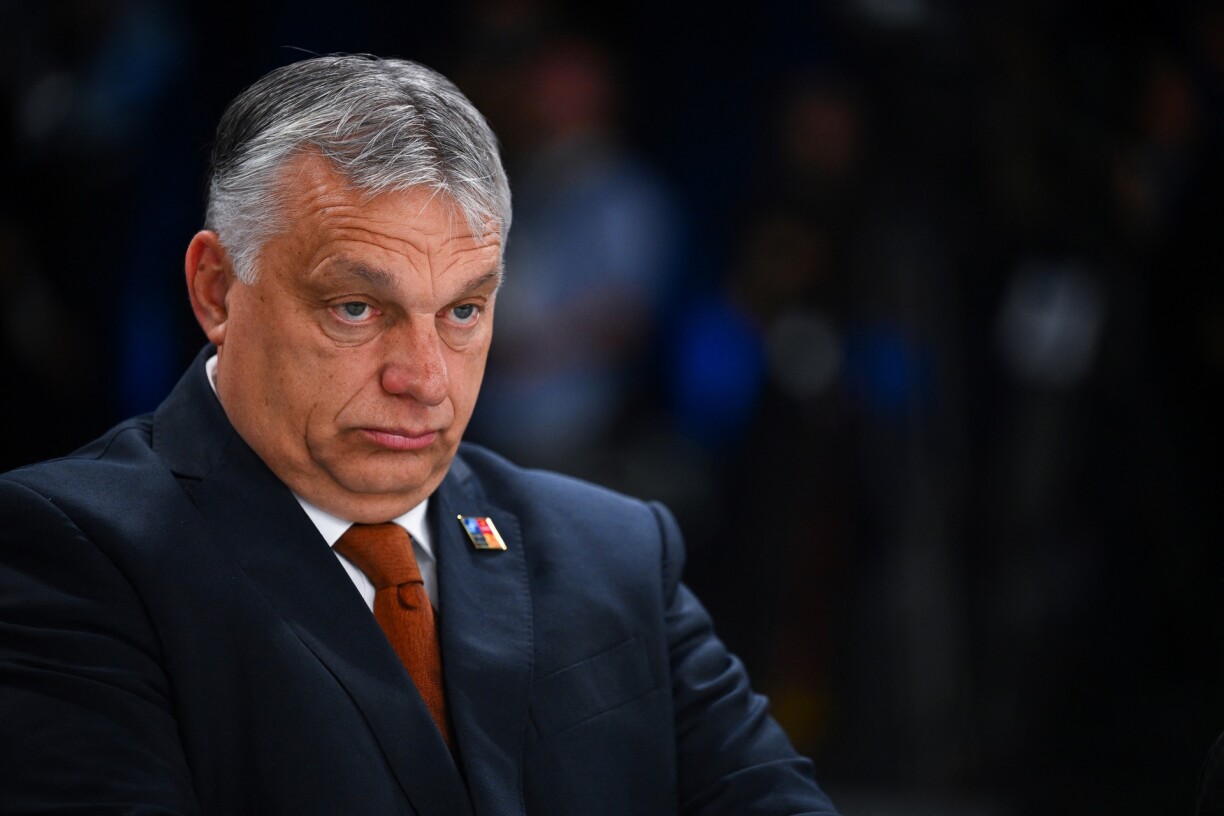
Energy tensions – Hungary’s decision to gradually halt gas shipments to Ukraine marks a new phase in an ongoing dispute linked to the Druzhba pipeline, which Kyiv says was damaged by Russian strikes. Budapest accuses Ukraine of delaying repairs, while Ukraine insists it can source gas elsewhere and says Hungary risks losing revenue rather than gaining leverage.
Political leverage – The standoff extends beyond energy, with Orban blocking a €90 billion EU loan to Ukraine and opposing new sanctions against Russia alongside Slovakia. With elections approaching, these moves underline his positioning on national interests and alliances, while the EU has signalled support for reopening the pipeline.
Domestic pressure – At home, frustration is mounting over corruption allegations and economic hardship, with critics pointing to the wealth accumulated by figures close to Orban. With EU funds frozen over rule-of-law concerns and opposition leader Peter Magyar promising reforms, the upcoming vote is shaping into a critical test of Orban’s long-standing grip on power.
Your Weekly Recap is published every Friday at noon.
Read earlier versions here.





