After 48 days of public consultations, a major milestone has been reached for the long-debated A31bis motorway project in the Thionville region. On 10 August, the commission overseeing the public inquiry approved this large-scale bypass initiative, albeit with certain reservations.
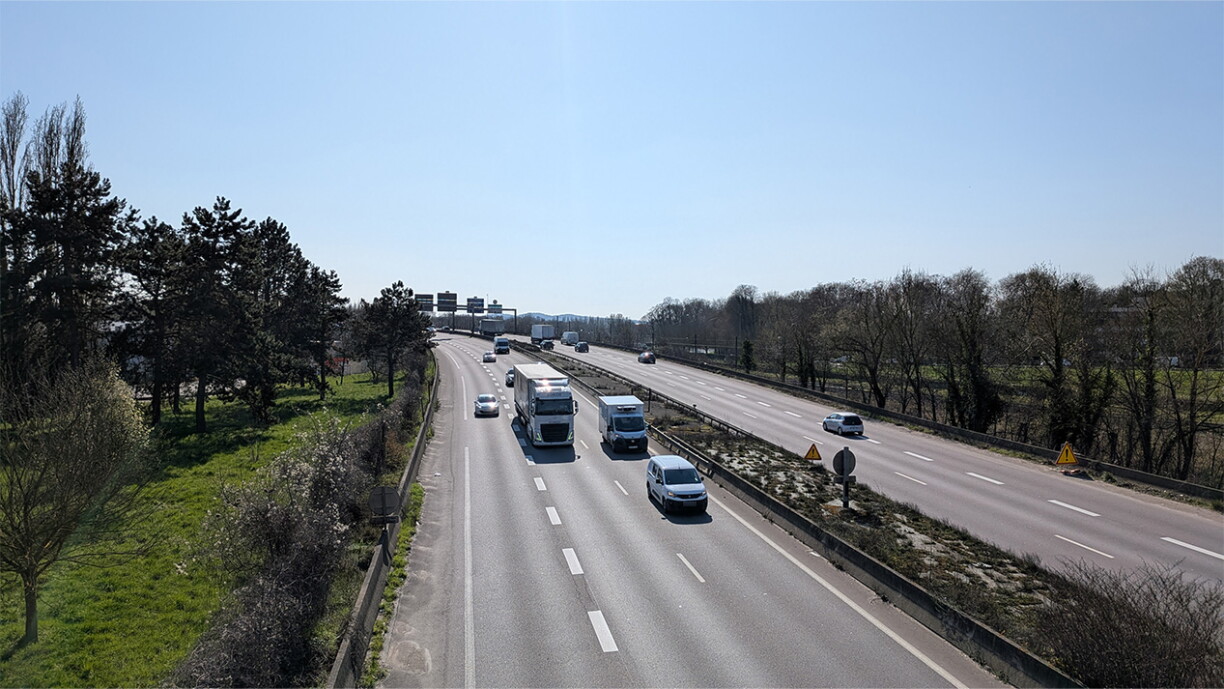
The A31bis project aims to relieve congestion on the existing A31 motorway, which is heavily used by the tens of thousands of cross-border commuters who live in France and work in Luxembourg.
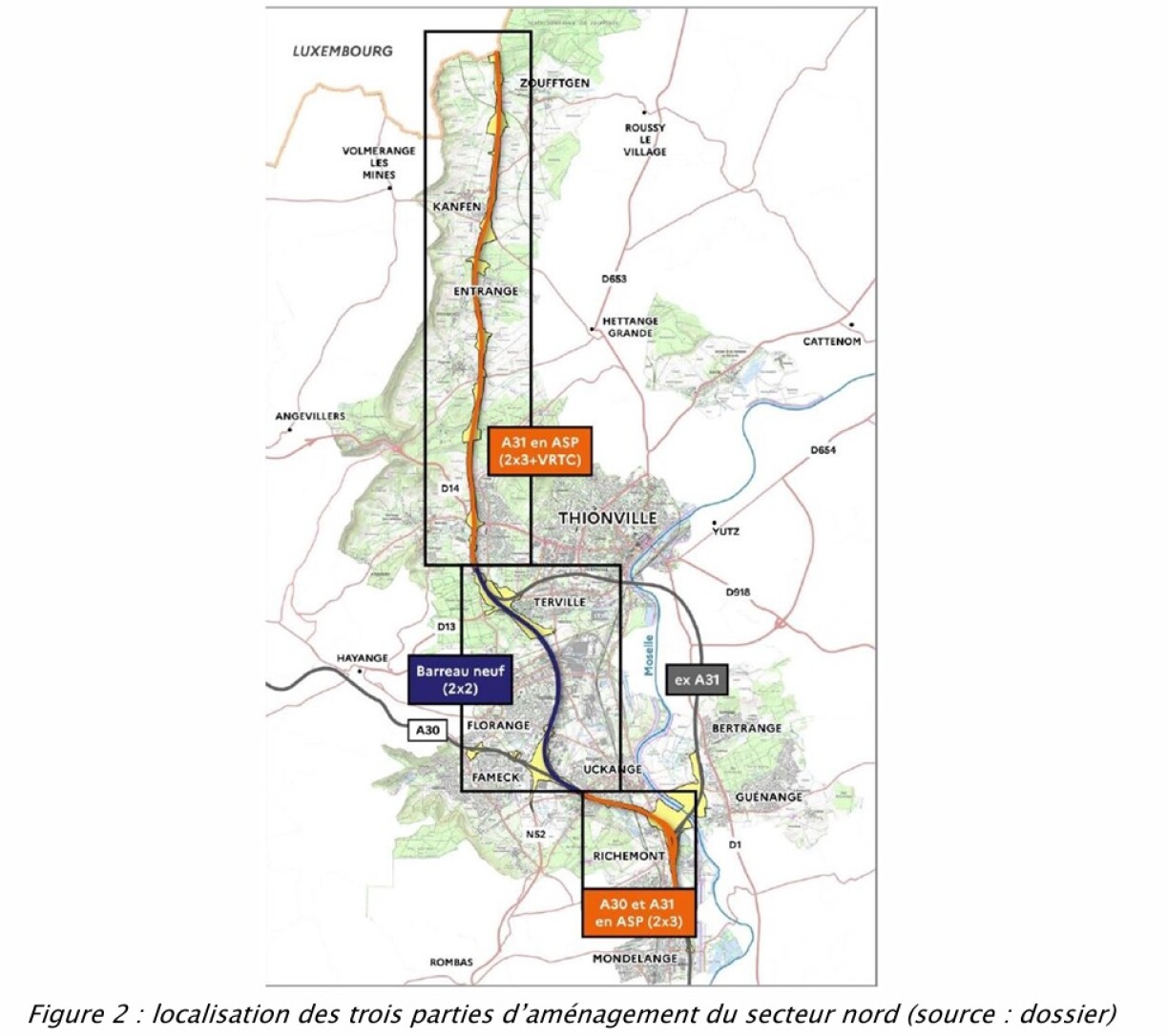
Key elements include widening the northern section of the A31 from two to three lanes in each direction between Thionville and the Luxembourg border, and constructing a new southern bypass around Thionville, featuring a tunnel beneath Florange that will connect to the A30 motorway.
This favourable opinion is a necessary step before the project can be officially declared of public utility, a prerequisite for breaking ground on the construction.
However, the commission's support is conditional: the authorities must address concerns about pollution monitoring, the impact on local communities, and specific technical aspects, such as the design of a planned motorway interchange. Although the state can theoretically override such reservations, the expectation is that they will be addressed before any official declaration. Many local elected officials back the project.
Originally conceived nearly three decades ago, the A31bis is intended to solve chronic traffic jams on the existing A31, where more than 60,000 vehicles travel daily along its busiest stretch between Thionville and Luxembourg, regularly causing long bottlenecks. Projections indicate that traffic is set to increase by around 30% by 2050, further underlining the need for additional infrastructure.
The project, estimated at over €1 billion, includes a new dual carriageway, part of which will run underground as it bypasses Thionville. Funding will be provided by a private concessionaire, which will recoup its investment through introducing motorway tolls.
While the commission concluded that the A31bis would "significantly improve journey reliability" by reducing travel times for motorists by as much as 35%, it also highlighted several shortcomings. Notably, the new road is unlikely to encourage a meaningful shift towards public transport, raising the possibility that the route could again become congested by 2050.
The commission’s reservations concern whether authorities will honour their commitments, the need for ongoing air quality monitoring at the tunnel exit, and ambiguity around one of the planned interchanges. Commissioners also warned that local roads near the new motorway could become clogged, as drivers attempt to avoid tolls.
While some opponents advocate for expanding the rail network as a sustainable alternative, the commission noted that a new rail line would be prohibitively expensive and technically complex. Nonetheless, it recommends further studies into improving rail infrastructure by 2040-2050.
To avoid spending public funds, the state has opted for a private concession model. The operator will finance construction of the new motorway and tunnel, at an estimated cost of nearly €900 million, in exchange for the right to charge tolls. The exact cost to motorists will only be confirmed once a concessionaire is selected, but the anticipated toll, even with barrier-free electronic payment, is expected to be significant and could deter many users.
Heavy goods vehicles, in particular, are likely to face even higher charges for using the new route.





