The European Border and Coast Guard Agency (Frontex) and the European Union Agency for Law Enforcement Cooperation (Europol), with the support of Interpol, have carried out a large-scale crackdown on transnational organised crime.
The operation, part of the so-called Joint Action Days, took place across 26 countries and led to the seizure of 7.4 tonnes of cocaine, 10.6 million cigarettes, 2.4 tonnes of cannabis, and nearly 45,000 benzodiazepine tablets.
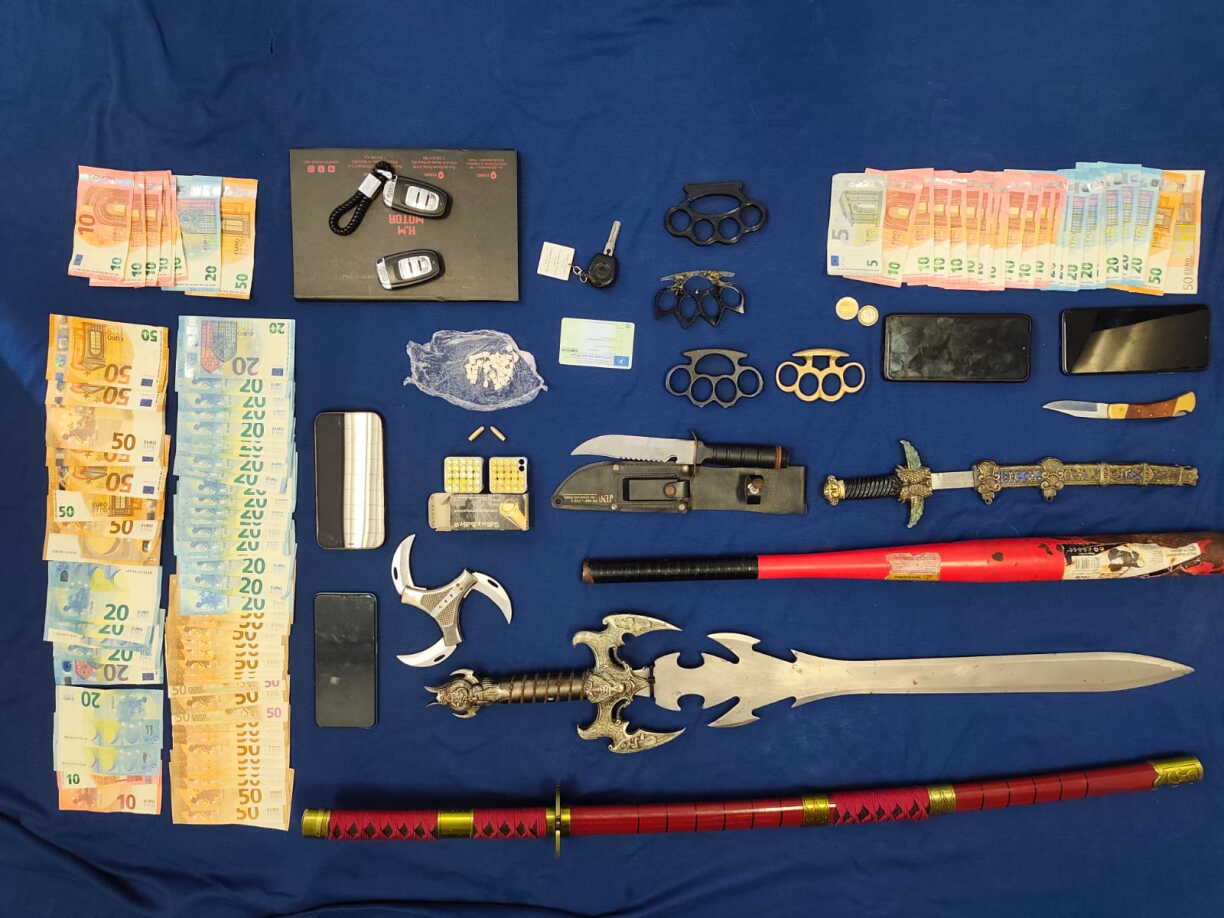
Authorities also confiscated 710 vehicles, 34 boats, substantial amounts of cash, two drones used for smuggling, 80 firearms, and 17 other weapons. A total of 334 suspects were arrested, and 2,200 people without legal immigration status were detected.
According to a Frontex statement, officers focused on border crossing points and ports, checking more than 150,000 people and nearly 130,000 vehicles. The operation prioritised the detection of stolen vehicles, which are often used to smuggle drugs, cash or weapons.
In several major cases, information relayed through the Frontex coordination centre enabled law enforcement to identify stolen cars. A vehicle stolen in Germany was recovered on a motorway near Warsaw thanks to close cooperation between German and Polish police. In another case, a car stolen in France was intercepted on its way to Serbia, thanks to collaboration between Serbian and Croatian authorities.
Hans Leijtens, executive director of Frontex, underscored the value of swift cross-border cooperation. "A stolen car can cross many borders in a short time. If we want to stop it, the information must travel just as fast. This means that officers in different countries need to share what they know and work together", he said.
Leijtens said the operation demonstrated the real-world benefits of international collaboration.