The botched execution of a woman in Tennessee and the controversy over the live broadcast of a firing squad execution have thrust the debate over the US death penalty back into the public square.
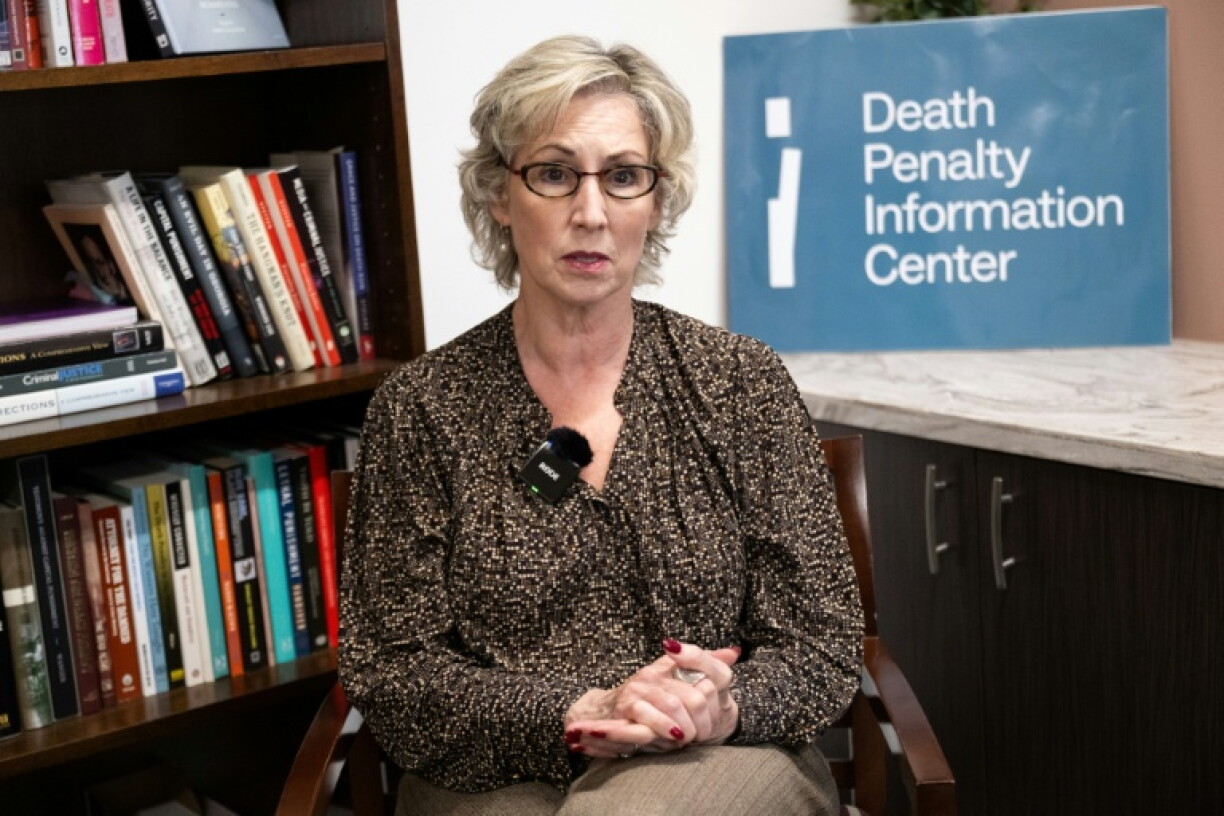
But for Robin Maher, the director of the US nonprofit Death Penalty Information Center, such matters have always been top-of-mind, she told AFP in an interview.
Last month, Christa Pike, a 50-year-old death row inmate, became the first person to survive a lethal injection attempt -- and is now recovering in a prison hospital.
"It's very hard for people to understand how something like this could have happened in the United States, and it's even harder to imagine that a second execution attempt could be made for this woman," said Maher.
The other controversy involved 56-year-old Nidal Hasan, who in 2009 shot and killed 13 people at Fort Hood, Texas.
US Defense Secretary Pete Hegseth said Hasan would be executed via military firing squad on December 3 -- the first to be carried out since 1948 -- and the killing was to be broadcast live until President Donald Trump scrapped plans due to the backlash.
"My intuition was that this would not sit well with the American public, and that people would turn away from such a spectacle," Maher told AFP.
Maher said the two high-profile controversies have distracted the conversation around the death penalty away from the fundamental question of whether the US should use capital punishment in the first place.
"These are questions that I think the American public needs to grapple with more meaningfully than how we are going to kill people," Maher said.
"But we certainly don't need another exploration of new methods," she added.
"And what we know about all the methods is that they will be botched as long as there are human beings operating behind the scenes.
"There will be mistakes, and we've seen that with everything from the firing squad to hanging to lethal injection to nitrogen gas."
Maher described "a huge disconnect between what elected officials are doing in the states and what the American public wants."
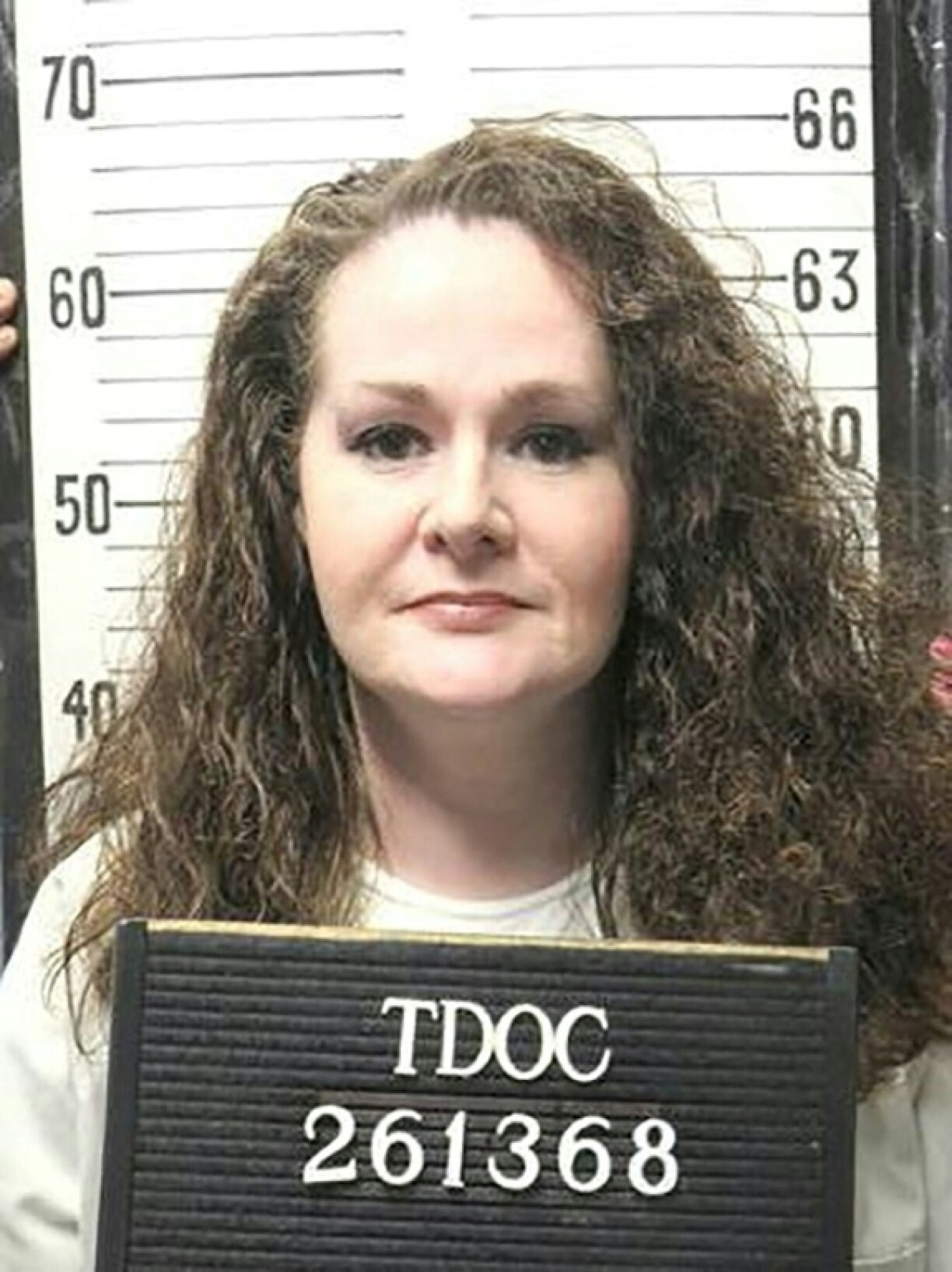
"We have elected officials who are setting executions, and really that's an indicator of what was happening 30 years ago," she explained, citing Pike as an example.
"Christa Pike was sentenced to death more than 30 years ago, at a time when support for the death penalty was much higher, we had more than 300 new death sentences every year," Maher said. "Last year there were just 23."
Maher said the US public in general is growingly opposed to the death penalty, especially among younger demographics, citing a variety of factors.
"We've seen a big change in public opinion, largely because we've seen more than 200 people exonerated from death row, and the inaccuracy, the racism, the unfairness of so many trials, so many appeals, I think has really resonated with the American public," she said.
"So many of the things that once propped up use of the death penalty have fallen away, and we're left simply with the idea that this is retribution.
"And for some Americans, that's enough. For many more, it is not."
sst/jgc/sla