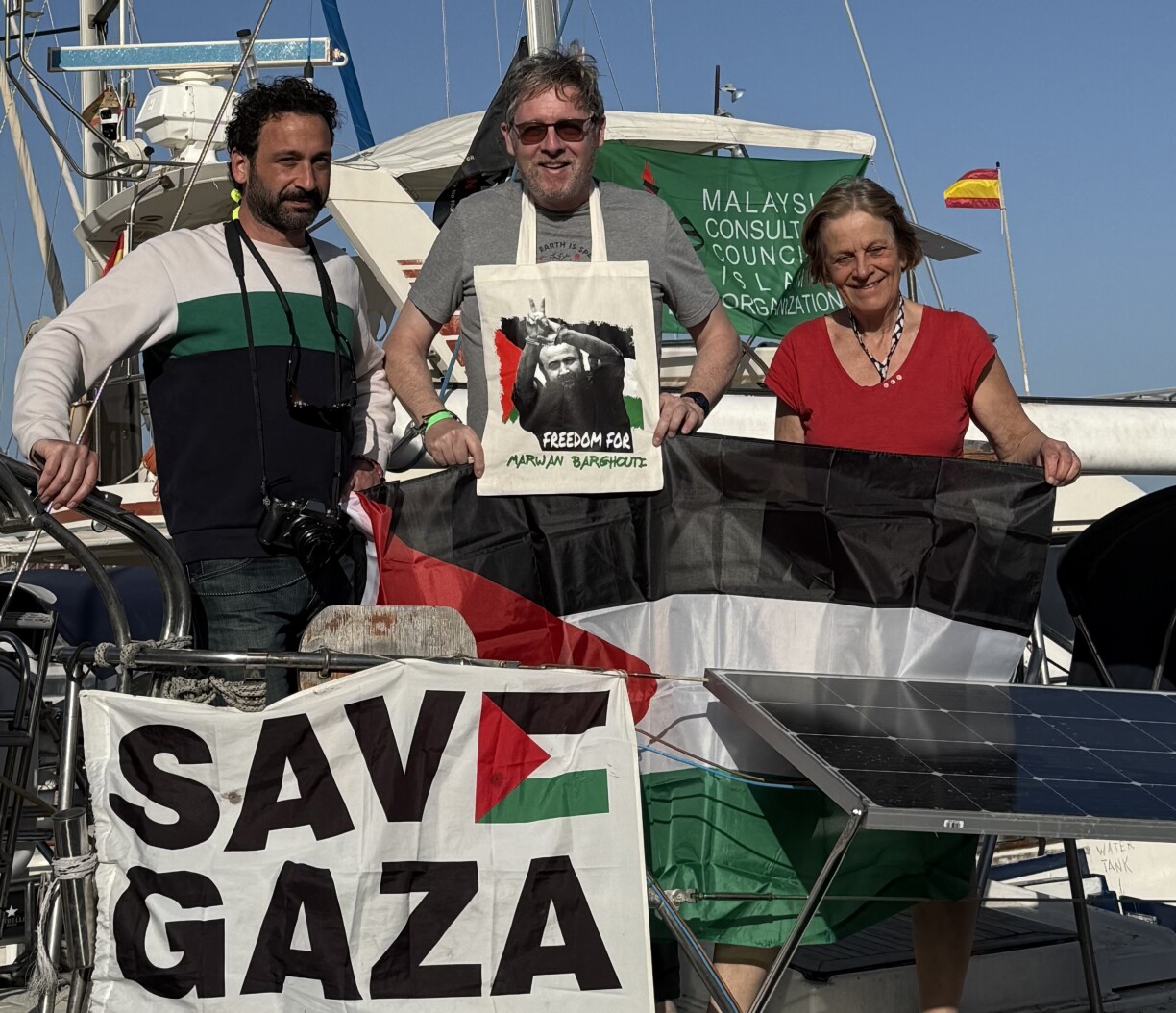
In September 2025, a flotilla that included high-profile figures such as Greta Thunberg sailed toward Gaza in an attempt to break the humanitarian blockade, making headlines before Israeli forces intercepted the vessels and detained their activists in international waters.
Eight months on, a new generation of civilian activists, including five Luxembourg residents, is bound for the Palestinian enclave. Beyond delivering humanitarian aid, they want to raise awareness of, and stand against, what is happening not just in Gaza, but across the Middle East – especially as direct peace talks between the US and Iran concluded without a deal.
"We're no liberators or saviours", stresses Xavier Gilquin, a member of the Luxembourg delegation. "We're sailing at the request of Palestinians to support an action that they are leading."
A French citizen residing and working in Luxembourg since 1990, Gilquin turned to causes closer to his values when he retired last year. "While incredibly resilient and courageous, the Palestinians are up against an extremely powerful system", he adds. "If we want things to change, we need to shift public opinion."
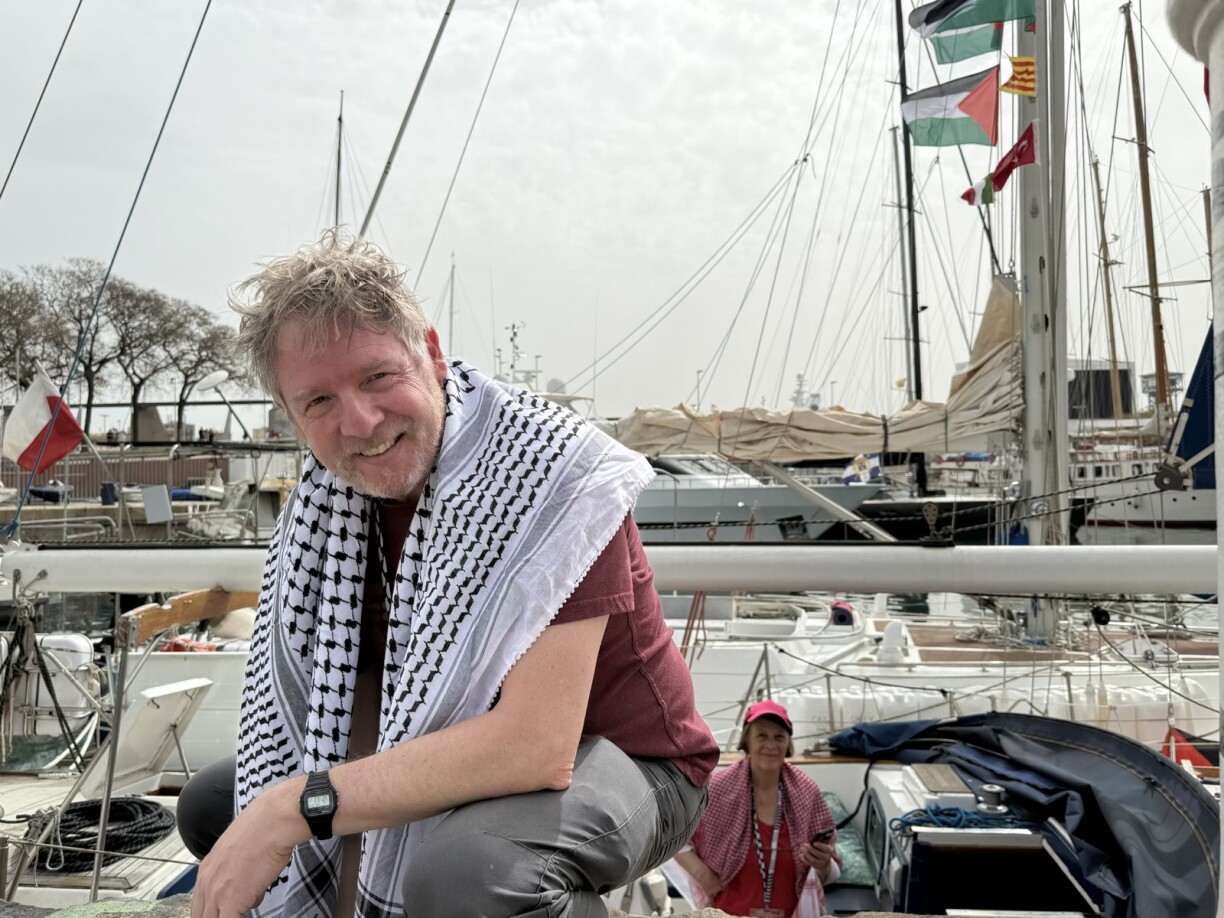
Nora Huberty is also part of the delegation, and unlike Gilquin, it won't be her first time. In 2025, her boat was intercepted and the crew detained by Israeli authorities. She returns to the flotilla regardless, in opposition to what she describes as a climate of impunity: "It is about saying no to US imperialism, saying no to the attacks that the US and Israel are carrying out beyond Gaza, in Lebanon, in Iran."
Shedding light and denouncing political violence lie at the core of the activists' aims. Since the Hamas attack on 7 October 2023, Israel has been conducting a military campaign across Gaza widely described as genocidal.
A ceasefire has been in place for six months, but deadly bombardments and the ongoing obstruction of humanitarian aid continue. Meanwhile, Israeli strikes on Lebanon have been causing mass casualties and devastation.
Gilquin is set to depart from Barcelona on Sunday alongside two other Luxembourg delegates, weather permitting. From there, the fleet of roughly 80 boats and 1,000 participants will cross the Mediterranean in stages, with another 20 vessels joining along the way – including Huberty.
However, the flotilla veteran is approaching this mission differently, with the ceasefire fragile and the geopolitical situation far from stable. "It's genuinely important to me to go about this rationally and assess whether my actions are still in line with the objectives I've set for myself and for the movement."*
In practice, that means taking decisions incrementally. Whilst her boarding remains uncertain for now, she is committed to her role as coordinator as preparations are in full swing.
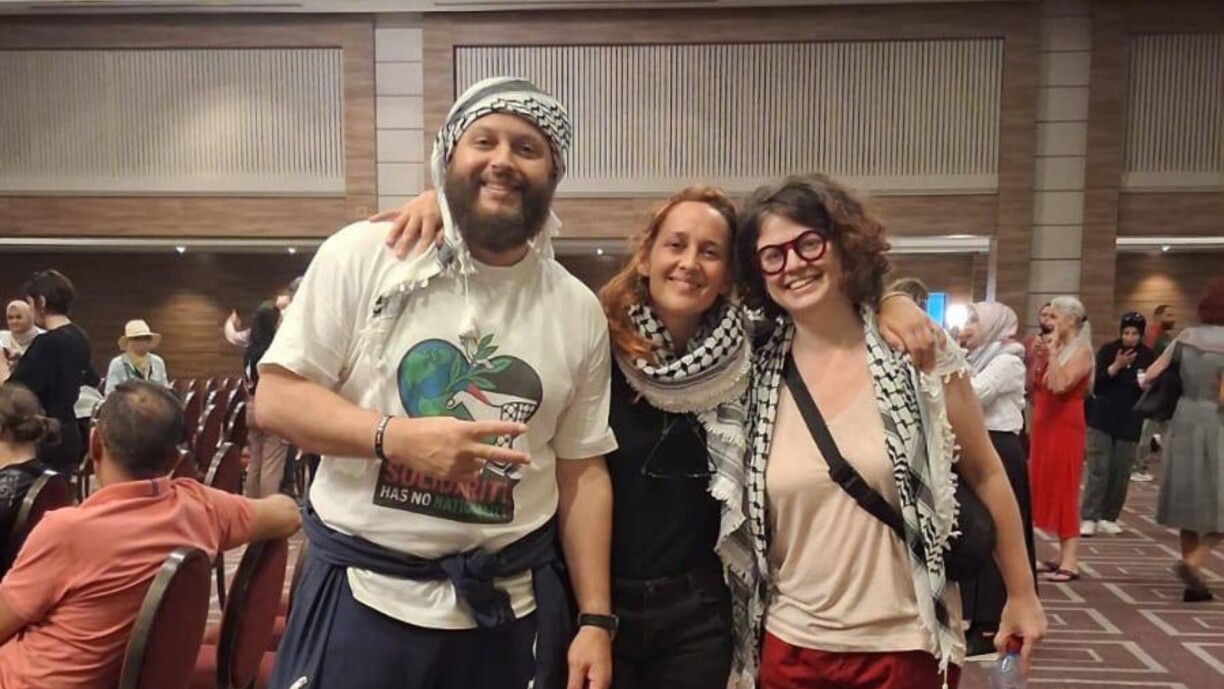
The dangers aren't hypothetical, as every vessel of the previous Sumud Flotilla that did not turn back due to technical or personal issues was intercepted, with its crew detained and expelled, in some cases after two weeks in detention.
"The organisers were very transparent about the risks, and we've been training for them. We also had an exchange with Nora, who gave a firsthand account of her experience", explains Gilquin. He also worries that detention conditions could be harsher this time, "though it's nothing compared to what Palestinians endure", as a recent UN report on prison cruelty reminds.
Nonetheless, both participants are clear-eyed about the stakes. "I know what I'm doing. Just because someone participates in an action doesn't mean they no longer have rights", says Huberty, pushing back against a mentality she found troubling during her detention. "My rights were not respected, they were outright violated. I was kidnapped in international waters."
Considering the dangerous precedent, the question arises as to why the movement would send out another flotilla at all. Activists were detained and expelled before the aid made it to Gaza, and leaders barely made a statement condemning the interceptions. "Not all objectives were met, far from it", admits Huberty.
However, the US-Israeli strikes on Iran and beyond have led to more vocal opposition from global leadership. Gaza is officially no longer a war zone, meaning foreign citizens could enter the strip more easily. And the 2025 flotilla strengthened a global movement.
"This time there are more boats, which means more pressure", she continues. "All of these factors could make it a different mission."


*Editor's note: Nora Huberty has since decided not to sail, writing the following: "After analysing and assessing the flotilla’s strategy and the broader context, I have decided to focus on other actions to oppose the genocide and attacks carried out by Israel, the U.S., and their accomplices, as well as their imperialism. I am in Sicily to support the coordination efforts at the port. I wish my comrades all the best!"





