When pastry chef Keisuke Nii arrived in Luxembourg in 2012, he expected a temporary adventure. Back in Japan, owning his own bakery had been a childhood dream, but it wasn't something he expected to achieve in Luxembourg.
After spending years behind the scenes in one of the country's most popular kitchens, he felt ready to take the leap. "People warned me it would be difficult because of the taxes, salaries and rent, but it had always been my dream."
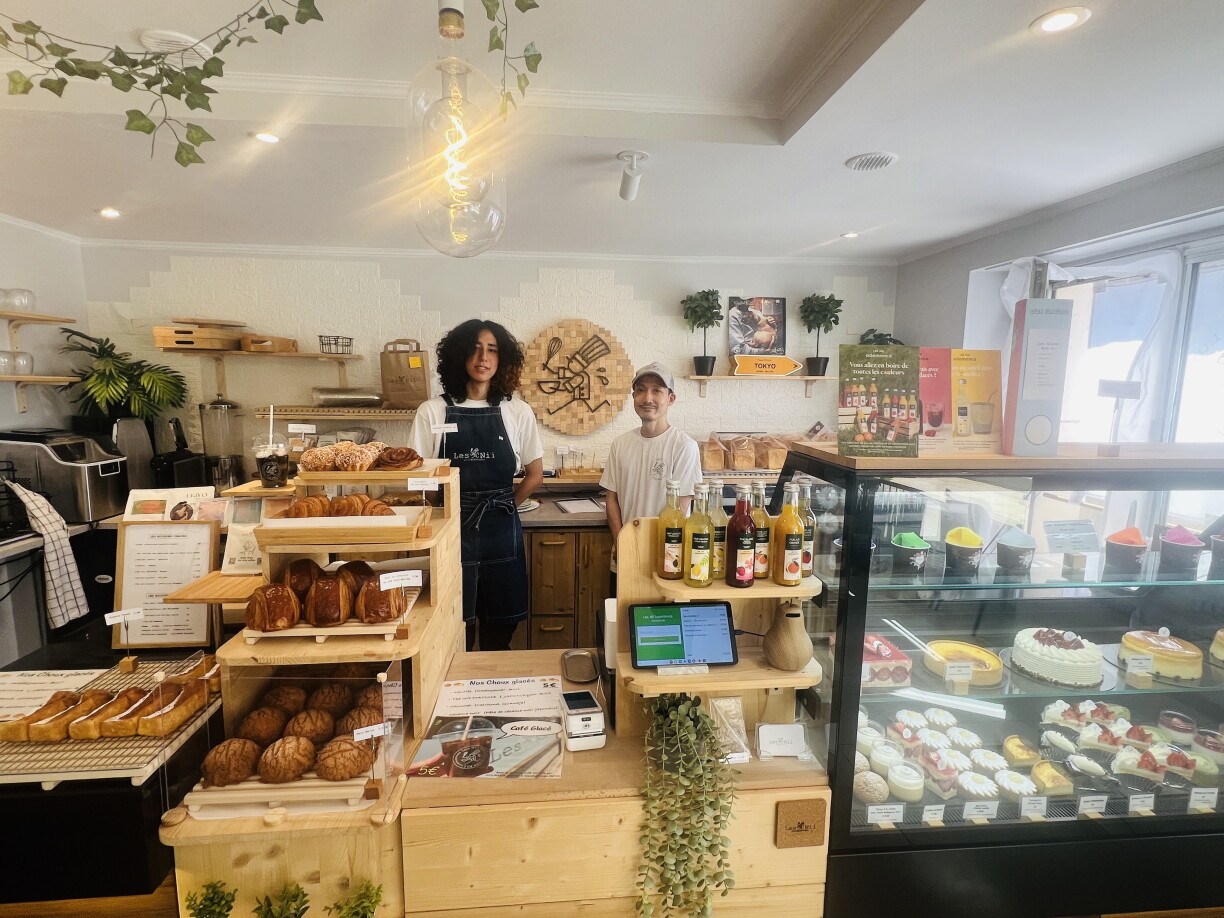
In December 2024, Keisuke opened Lez Nii, which he believes is Luxembourg's first bakery dedicated to Japanese-style pastries that are still relatively uncommon in Luxembourg.
Originally from Kobe, Keisuke moved to Luxembourg after accepting a position at Oberweis, where he spent years refining his craft as a pastry chef. Working there gave him insight into Luxembourg's pastry culture and what locals enjoy.
The experience also reinforced his desire to one day share the flavours and techniques he had grown up with in Japan. Gradually, Luxembourg became the place where he wanted to build something of his own. "It was my first time opening a shop", he says.
For Keisuke, pastries have always represented much more than dessert.
"In Japan, cakes are the centrepiece of birthdays and special occasions", he explains. "They bring people together and create happy memories."
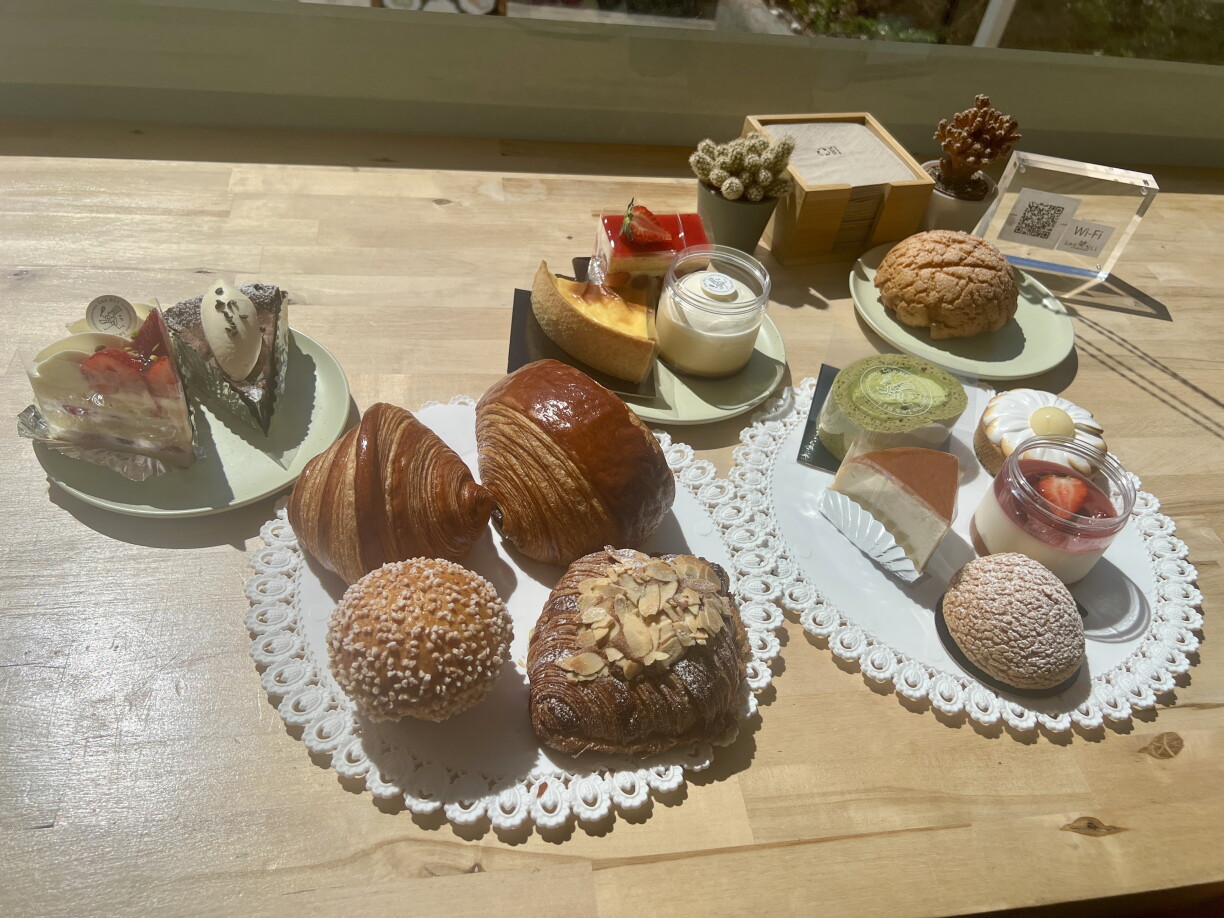
The pastry that instantly transports him back to childhood is a classic Japanese strawberry shortcake – sponge cake layered with fresh cream and strawberries. It remains one of his bakery's most popular products.
One of Keisuke's goals is to change misconceptions about Japanese baking. Many customers assume Japanese bakeries sell only mochi and traditional sweets, but he explains that Japan actually has distinct pastry traditions.
He describes two main categories: wagashi, the centuries-old traditional confectionery often made with bean paste and rice, and yōgashi, Japanese adaptations of European-style cakes, breads, and pastries.
According to Keisuke, Western baking techniques introduced more than a century ago were adapted to Japanese tastes, creating a style that focuses on lighter textures and careful presentation.
His bakery focuses exclusively on yōgashi. "Japanese pastries are usually fluffier and less sweet than many European desserts", he says.
"Many customers tell us they like that our products are not too sweet and feel much lighter", Keisuke says. While matcha remains the ingredient many visitors already know, customers have also become increasingly curious about flavours such as black sesame and yuzu.
Creating Japanese style pastries in Luxembourg isn't always straightforward. Some ingredients simply aren't available locally. The flour typically used in Japanese baking differs from locally available flour, so the bakery imports flour from Belgium to recreate the textures he is aiming for.
Matcha has also become harder to source because of increasing global demand, while yuzu and Japanese black sesame are imported directly from Japan.
He has replaced pork-based gelatine with fish gelatine, removed alcohol from recipes, and uses only pasteurised ingredients. These changes allow more customers, including those with dietary restrictions, to enjoy the cakes.
"It's about making everyone feel welcome", Keisuke says.
Although the bakery has been open for just over a year, Keisuke hopes to expand the business in the future. He is also interested in combining Japanese and Luxembourg traditions.
One idea he is considering is creating a matcha version of Luxembourg's traditional Bamkuch. For now, his focus remains on gradually introducing more people in Luxembourg to Japanese-style pâtisserie, one pastry at a time.