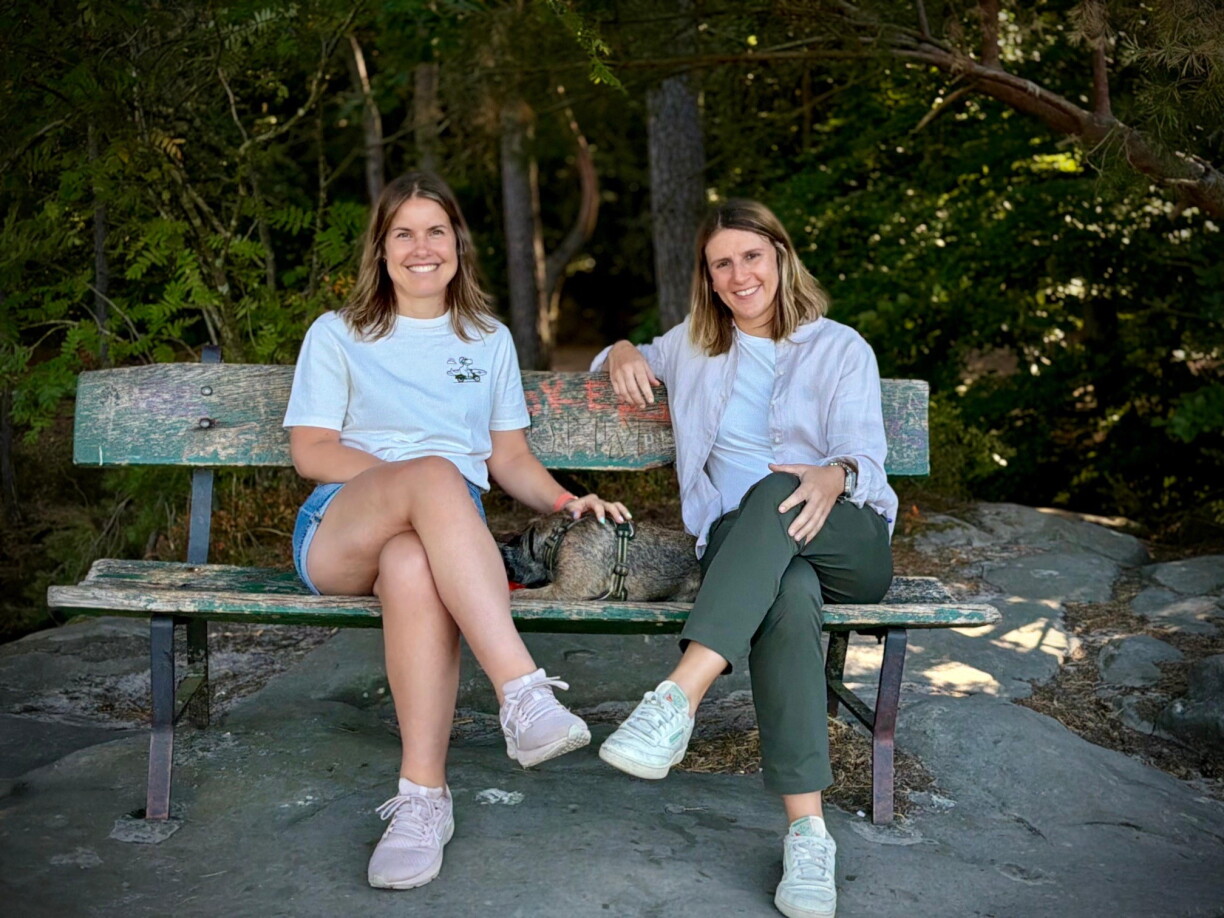
The ADR's Alexandra Schoos, known as Lexy, met with RTL's Annick Goerens in her home municipality of Berdorf, choosing a peaceful viewpoint over the sandstone crag in honour of the "staycation" theme for the interviews. But she did not come alone.
"This is Pinda, my border terrier. She loves to come with me on walks, she can go anywhere without burning her paws, and she's particularly happy when we're in the forest."
Schoos has already been abroad once this summer, to northern Germany's Mecklenburgische Seenplatte. Next she will visit the Dutch coast with her dog, then a friend in Leipzig, before heading to Austria for a fasting retreat. She says holidays are time to relax, and she likes to take the opportunity to read.
"The last time I read a book from cover to cover was on my last fasting trip, last year. That was mid-August and it was a bit of a mental health guide. Since then I've picked up a few books but not read them in full. So I'm hoping I'll be able to catch up on reading on my fasting retreat. As I'm often in the car, I tend to listen to podcasts or audiobooks. The last audiobook I listened to was 'Akte Schneeweiß', and now I've gone in another direction with 'Gesetz der Anziehungskraft'."
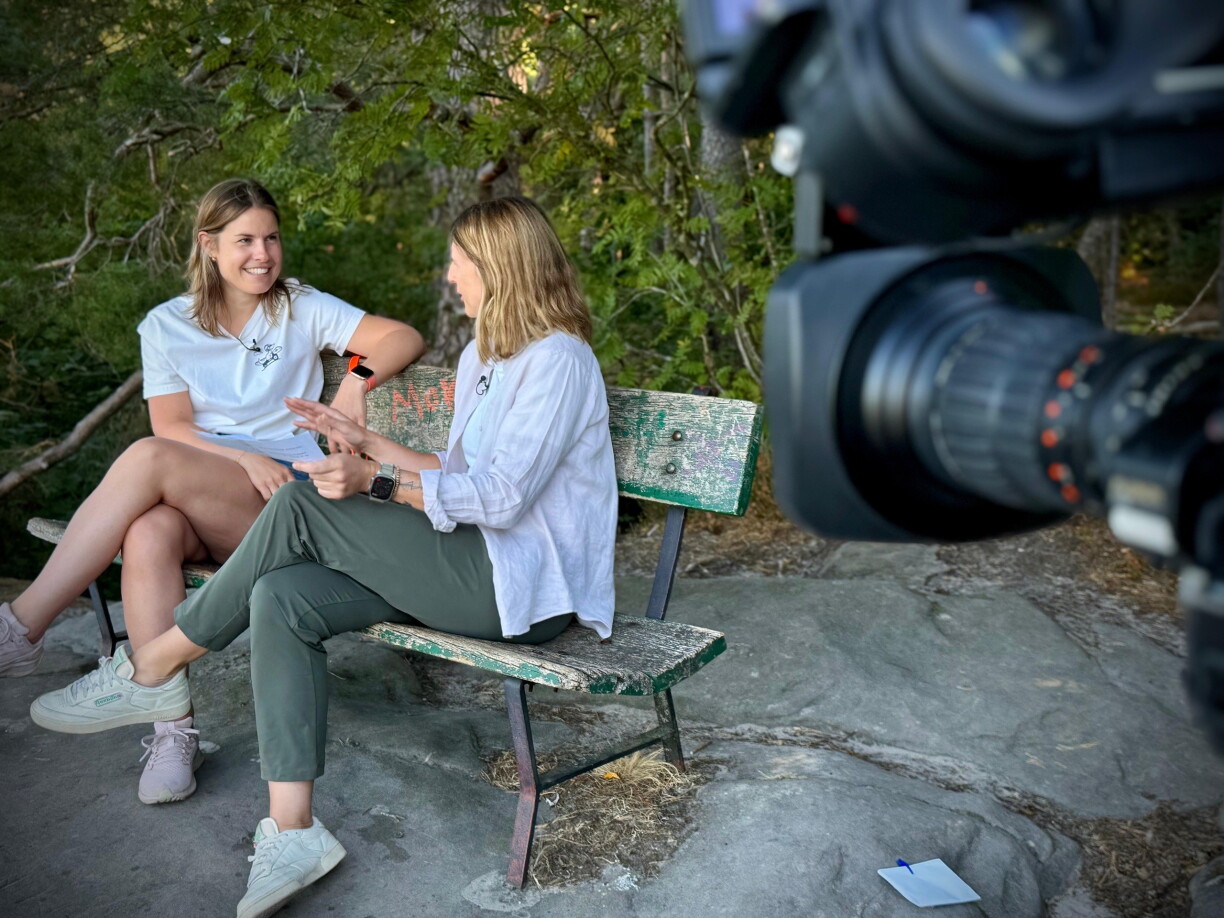
The wildfires burning across Europe are a source of concern for the ADR president. How can Luxembourg prepare?
"It's hard. I think it's more of a global issue. In the context of putting fires out, I think we could do with fire fighting aircraft in this country. For the CGDIS, fire brigades, I think all we can do is practise and ensure we are as quick to react as possible. Maybe we also need to promote volunteering with the fire brigades. Often we're reliant not just on professional fire fighters, but also volunteers, particularly in more rural areas, and I think here we could promote it more to encourage people to join up."
Another major subject this year has been the social media ban for children and teens. What does the ADR think of it?
"I personally, and the ADR, tend to disagree with a social media ban. Not because we don't want to protect young people, but because we don't think everything should be regulated or banned. I think people, especially young people, have to be able to learn to deal with these things critically. I think if we ban it, they won't learn this until later in life. I think this needs to be discussed and taught in schools and at home."
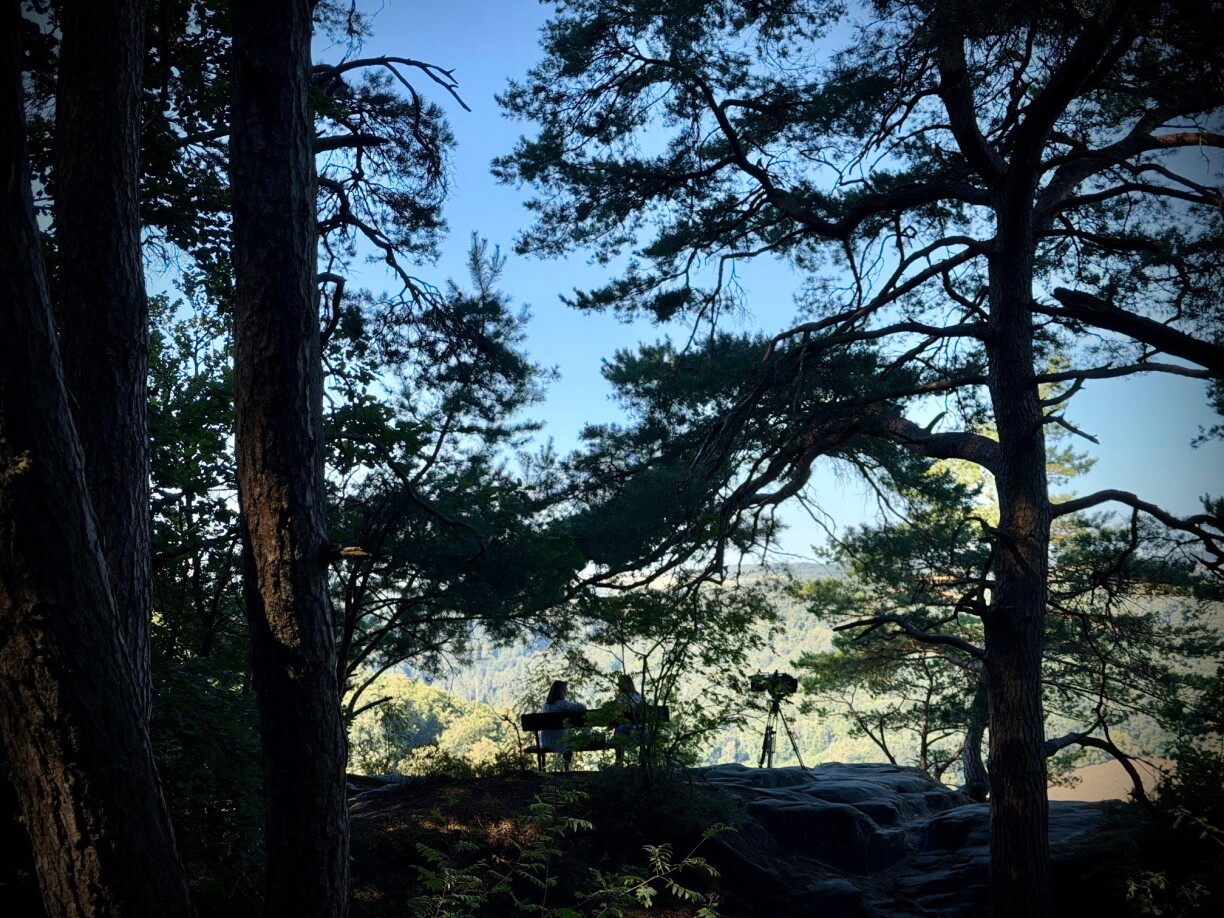
To conclude, RTL asked Schoos what she would most like to learn in life.
"Probably a language. I like to talk and communicate. Everyone says you can get anywhere with English, but I have visited countries, like Spain's Catalunya region, for example, where I was surprised to find that young people struggled with their English. I think if you want to travel somewhere, you should learn the language a bit first. Or if you want to emigrate somewhere. I started Swedish once. Maybe a language that would represent a real challenge for the brain, like Mandarin or something, one with lots of dialects and a different alphabet. That's something I'd like to look at in future."
If the ADR didn't already exist, Schoos says she'd start a new political party, for example with Gast Gibéryen.
As for subjects such as the index cap, Schoos says there is a bit of a vicious circle going on, as the cost of living rises, the index adapts, along with minimum wage hikes, which in turn affect employers. The ADR is therefore against an index cap.





