Here are five things you should know at the end of this week:
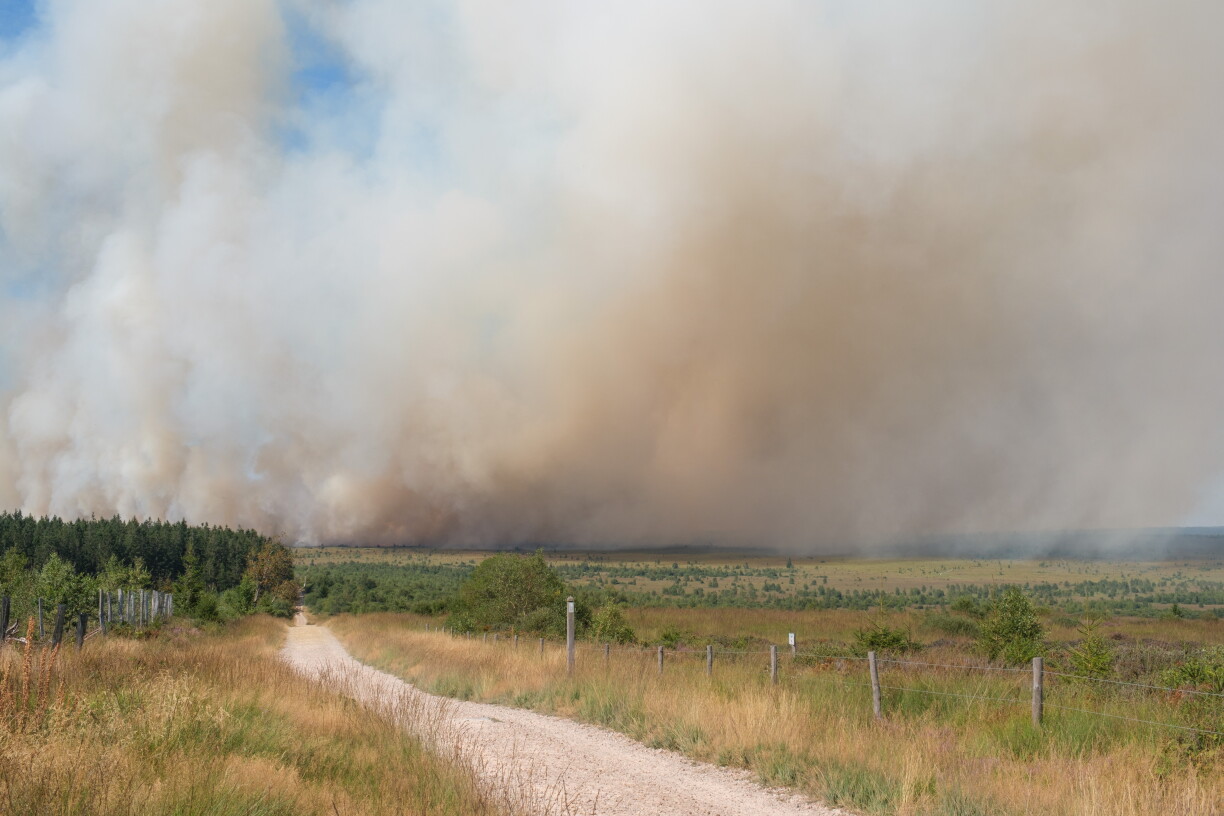
Authorities monitor smoke impact – An interministerial assessment unit met on Sunday to evaluate the effects of the High Fens wildfires in Belgium, which sent smoke and burning odours into Luxembourg. Agencies including the National Environment Agency and the Grand Ducal Fire and Rescue Corps coordinated closely, issuing recommendations such as keeping windows closed and limiting outdoor activity, especially for vulnerable groups.
Communication and response reviewed – The government faced criticism over the timing and clarity of its initial alerts, with MPs questioning whether the public was warned soon enough about air quality risks. The first LU-Alert notification referred only to an "unpleasant smell", with more specific health advice following later. Environment Minister Serge Wilmes acknowledged that communication was "not optimal" and pledged improvements, including better air-quality monitoring and more effective public information in future incidents.
Health risk remains low – Despite the elevated fine dust levels and mild symptoms reported, health authorities and specialists confirmed there was no significant health risk for the general population. No increase in respiratory cases was observed in hospitals, though those with chronic lung conditions were advised to take extra care. The government considers the measures appropriate and will continue to monitor developments, ready to act if the situation changes.

Multiple disruptions hit logistics – Luxembourg's fuel supply chain has come under strain as low water levels on the Rhine and Moselle rivers, ongoing rail works, and the impact of wildfires in Belgium's High Fens have all disrupted key transport routes. The Ministry of Economy highlighted that all three main methods of importing petroleum products – ships, trains, and lorries – are currently facing constraints, forcing suppliers to adapt their delivery routes.
Rail and canal closures worsen delays – The situation is set to worsen with upcoming railway works on the Luxembourg–Wasserbillig–Trier line, which will temporarily close a vital route to the port of Mertert. This port is a major hub for fuel transport. Additionally, the partial closure of Belgium's Albert Canal, due to firefighting operations, has affected barge deliveries towards Liège, a key supply point for Luxembourg importers.
Ministry monitors and coordinates response – Despite the mounting logistical challenges, the Ministry of Economy has assured that Luxembourg’s overall energy supply remains secure. However, it cautioned that localised shortages or delivery delays at individual petrol stations cannot be ruled out under the current exceptional circumstances. The ministry is closely monitoring developments and has called for stronger coordination among supply chain operators.
Union concerns over transparency – The Independent Luxembourg Trade Union Confederation (OGBL) and the Luxembourg Confederation of Christian Trade Unions (LCGB) have criticised Kyndryl for failing to disclose a redundancy plan affecting at least 24 staff before the BIL transfer. They described the situation as a 'double betrayal' and argued that the lack of transparency undermines trust and social dialogue within the company.
Details of the staff transfer – Around 130 employees from Banque Internationale à Luxembourg (BIL) are set to join Kyndryl on 1 September as part of an outsourcing agreement announced in May. Both BIL and Kyndryl have stated that the transfer conditions will remain unchanged and are comparable to those currently enjoyed by BIL staff, with job guarantees in place for at least two years.
Ongoing negotiations and next steps – Negotiations over the social plan for affected Kyndryl employees are ongoing, with unions pledging to use all available channels to clarify the situation and defend workers’ rights. While Kyndryl has sought to reassure incoming BIL staff about their future, the unions continue to call for full transparency and job security for all employees involved in the transition.

Allegations of addictive design – Prosecutors argue that Meta intentionally designed features on Facebook and Instagram to hook young users and keep them online, harvesting their data while downplaying the risks. The states allege that Meta lied about the dangers to minors and made it easy for children to bypass screen-time limits, comparing the case to historic lawsuits against tobacco companies for targeting youth.
Safety tools under scrutiny – A former Meta engineering director testified that some of the company’s safety tools were "designed to fail", with features like 'Take a Break' being optional rather than default. He claimed Meta prioritised engagement and revenue over user safety, making it easier for children to spend more time on the platforms. Meta maintains it worked with parents and experts to create safeguards.
Potential industry impact – The trial, expected to last around six weeks, could force Meta to pay up to $200 billion in penalties and make sweeping changes to its apps. Activists and families rallied outside the court, highlighting alleged links between social media use and youth harm. With Meta as the sole defendant, the outcome could set a precedent for future lawsuits against other tech companies.

Deadly overnight missile attack – Kyiv and its surrounding region endured a massive Russian missile assault overnight, with at least 16 people killed and dozens more injured. The strikes targeted residential buildings, warehouses, a medical facility, and an educational institution. Emergency services worked through the night to rescue survivors and extinguish fires, as families mourned the loss of loved ones and assessed the damage to their homes and communities.
Regional security response – The missile barrage triggered immediate security responses in neighbouring NATO member states. Poland mobilised aircraft and activated air defences along its border, while Romania scrambled fighter jets and a helicopter after detecting aerial targets and a drone incursion. Moldova also reported a Russian drone crash near its border with Ukraine, underscoring the growing risk of cross-border incidents as the conflict intensifies.
Escalation and ongoing conflict – Both Russia and Ukraine have increased the scale and frequency of long-range attacks in recent months, raising the civilian toll on both sides. Ukrainian President Volodymyr Zelensky called for a stronger international response to what he described as Moscow’s escalation. Diplomatic efforts remain stalled, with each side demanding terms the other rejects, and the war continues to reshape military tactics and regional security dynamics.
Your Weekly Recap is published every Friday at noon.
Read earlier versions here.